French artist Henri Cartier-Bresson (HCB, 1908-2004) is considered a pioneer in the styles of candid- and street-photography. The phrase “decisive moment” is decidedly pithy in today’s vernacular, but what he advocated in that phrase is to hone in on the ability to gather all of the observable elements to construct an image, because that image might never come together or happen again.
When my own interest in photography grew, I understood I needed to learn what had come before. The HCB name and his photographs came up a lot in my study. To the here and now, seeing in person and to stand in front of the real prints of HCB’s photographs is a privilege, a true delight, and yet another learning opportunity that has come my way.
Established in 2022 as a national centre for lens-based media, Foto Wien got their wish and moved into their permanent home at the Arsenal grounds which once belonged to the Austrian military. On 21 March 2025, Foto Arsenal Wien opened its doors of Objekt (building) 19a to the public.
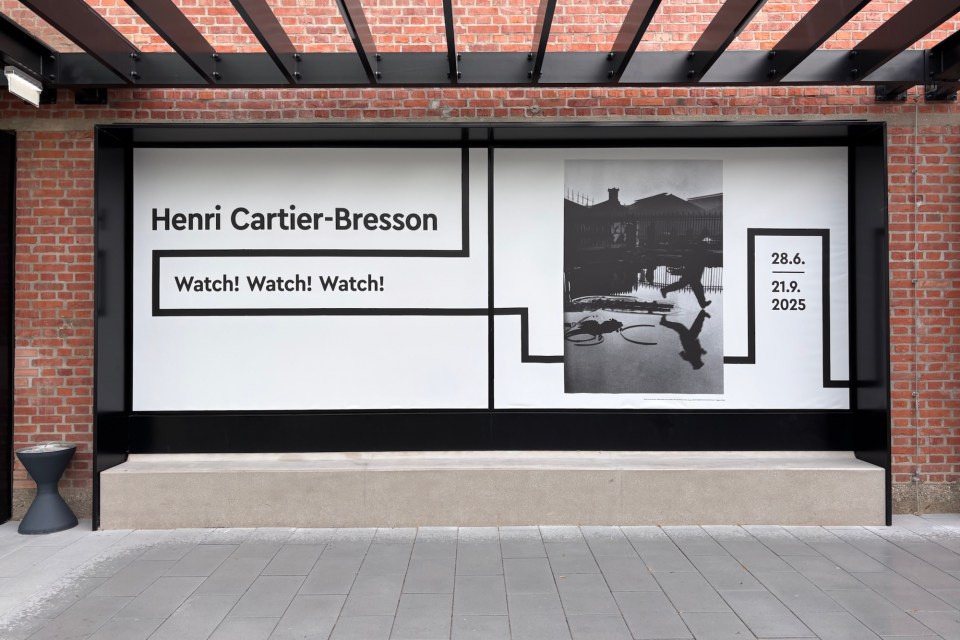
Over 200 items are on display in this retrospective exhibition of HCB’s career. As time passed, his images became noticeably less about surrealism, and more about photojournalism.
Foreground: Objekt 19a, Foto Arsenal Wien. Background: Objekt 24, A1 Telekom Richtfunkturm (radio relay tower).A1 is presently one of Austria’s 3 major mobile network providers, including Magenta and A3.
“Henri Cartier-Bresson: Watch! Watch! Watch!”, on display at Foto Arsenal Wien, from 28 June to 21 September 2025.
One of the most famous images by HCB: behind St. Lazare station at Place de l’Europe in Paris, France. 1932 image, 1950s-60s print. What’s exquisite is that moment where the tiny response time resides between the push of a button and the actual exposure on film before the inevitable splash.
Spain. 1933 HCB image, 1970s print. A beautiful image of radial symmetry with the trifecta of foreground, middle ground, and background.
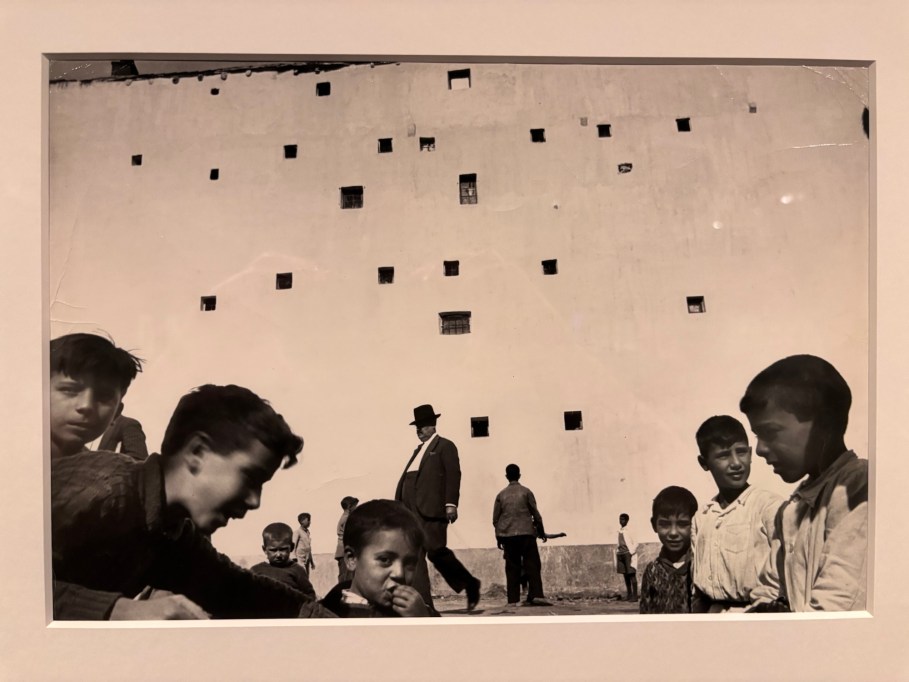
Madrid, Spain. 1933 HCB image, 1970s print.
Valencia, Spain. 1933 HCB image, 1950s-60s print. Circles, squares, and the golden ratio means I can look at this image and find something to marvel at the construction and timing of the image.
Naples, Italy. 1960 HCB image, 1970s print.
The Wall at the corner of Bernauer Straße and Wolliner Straße, from West Berlin, Germany. 1962 HCB image, late-1970s print. While I grew up in the age of the Wall and I’ve digested as much imagery as possible of that time, my visits to Berlin and to this very street location long after the Fall of the Wall have always been a touch of the bittersweet in acknowledgment of those who tried but died trying to breach the wall.
Havana, Cuba. 1963 HCB image, 1970s print.
Moscow, Soviet Union. 1954 HCB image, 1954 print.
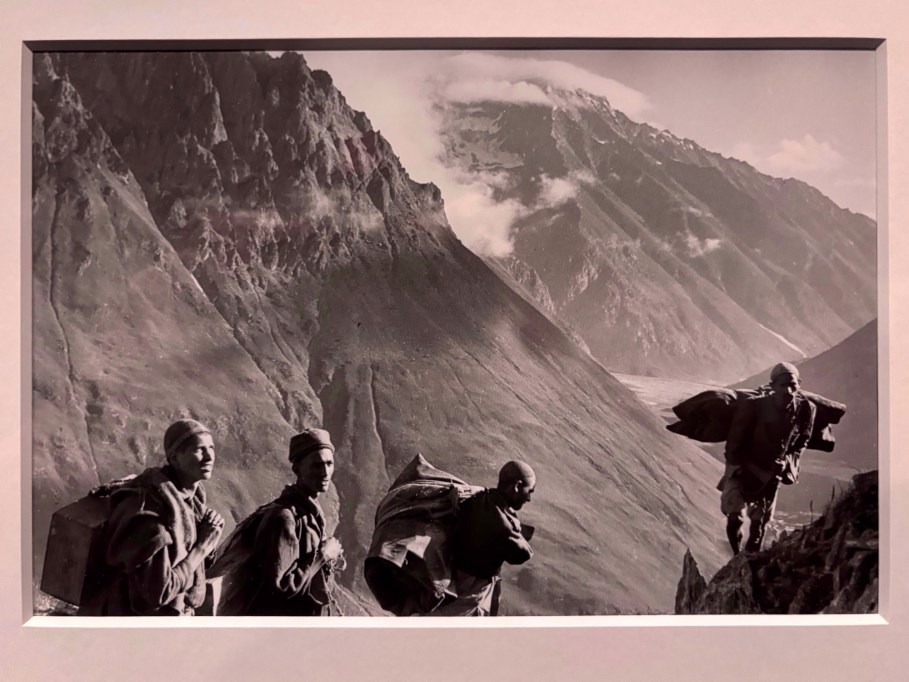
Kashmir region, disputed between India and Pakistan. 1948 HCB image, 1970s print.
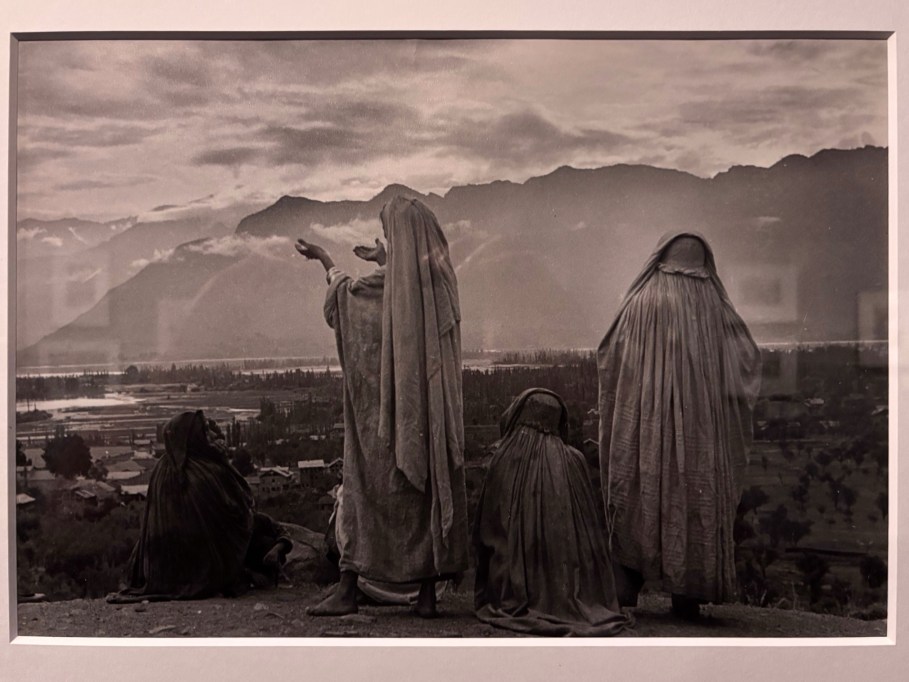
Srinigar, within the disputed Kashmir region. 1948 HCB image, 1950s print.
I received neither support nor compensation for this piece. I made all images above with an iPhone15 on 18 July 2025. This post composed within Jetpack for iOS appears on Fotoeins Fotografie at fotoeins DOT com.
[…] Sofort 2, Burton Edition: 595€. Leica SLS-3 Vario kit 28-70: 6500€. Didn’t I just see a print of this very famous image in person here in Vienna? Leica M6 10557P “PROTOTYPE-like”: 5700€. Leica M7 0.72 10504 […]




 Fotoeins Fotografie
One Response to “25T72 Cartier-Bresson exhibition at Foto Arsenal Wien”
[…] Sofort 2, Burton Edition: 595€. Leica SLS-3 Vario kit 28-70: 6500€. Didn’t I just see a print of this very famous image in person here in Vienna? Leica M6 10557P “PROTOTYPE-like”: 5700€. Leica M7 0.72 10504 […]
LikeLike