
25T44 Berlin Karlshorst: the museum of complete capitulation
E43, B38.
As Nazi Germany turned Europe to ruin and ash, fighting on two fronts became infeasible: it was only a matter of time. When Allied troops began converging onto Berlin by late-April to early-May of 1945, the German military would be given zero options: the Allies demanded unconditional surrender.
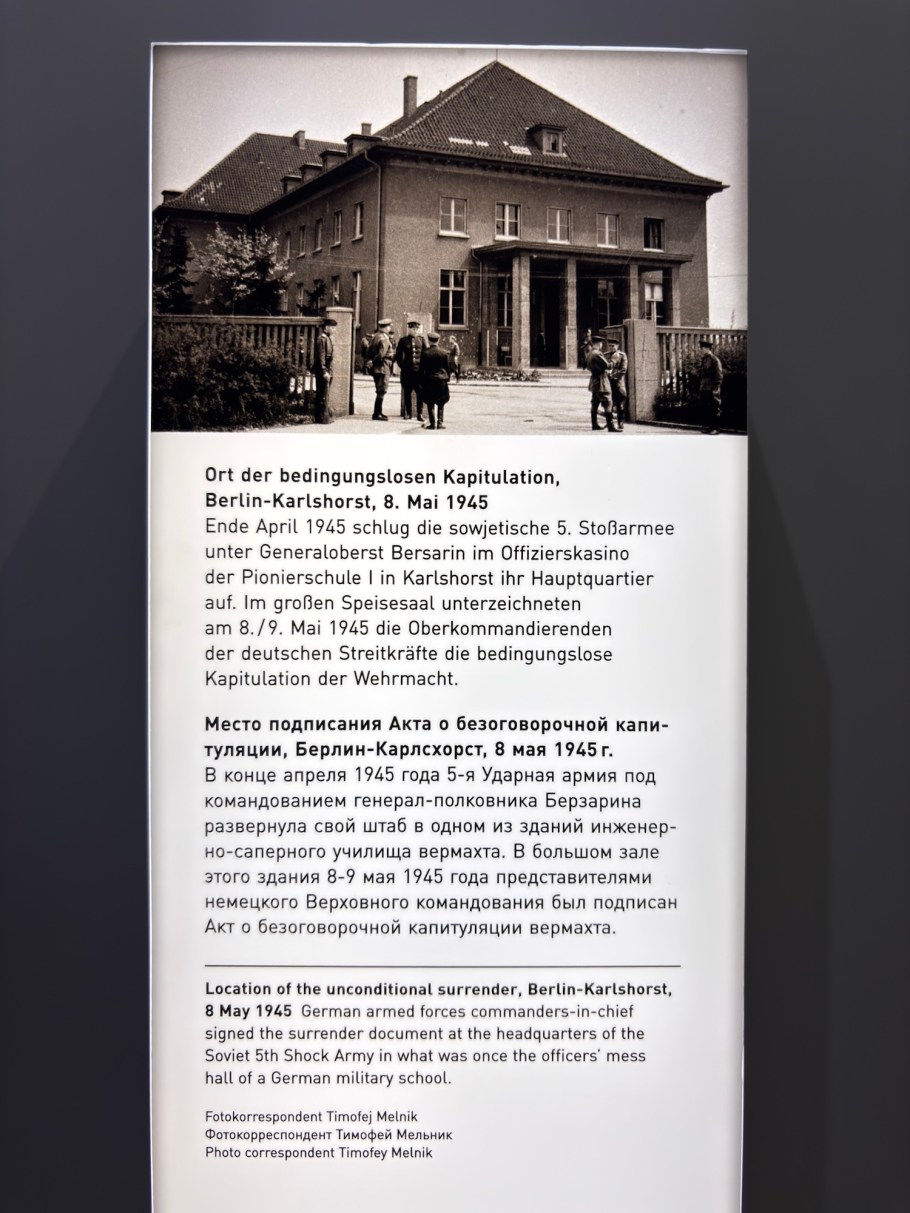
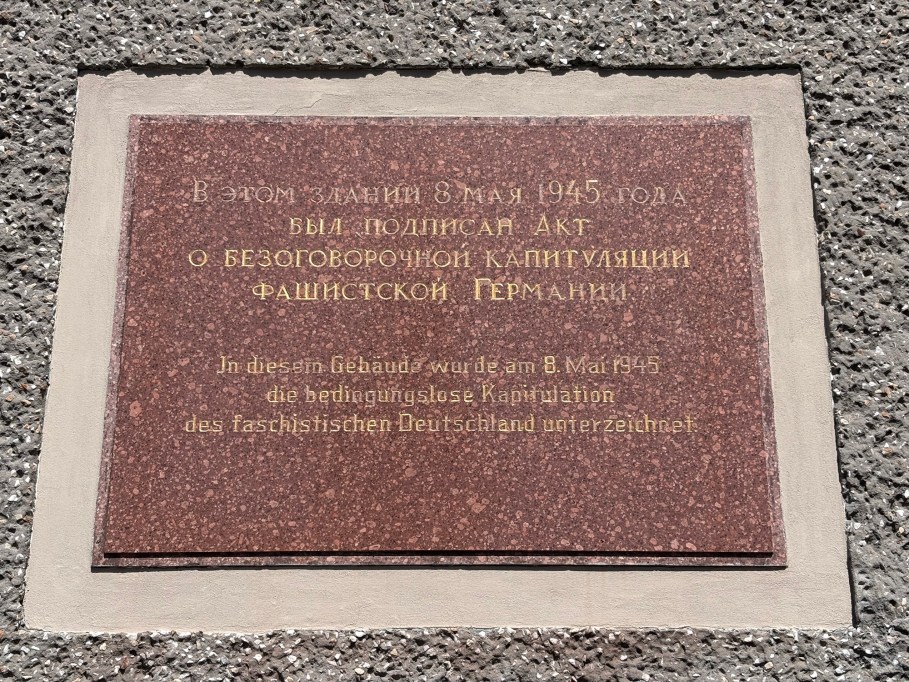
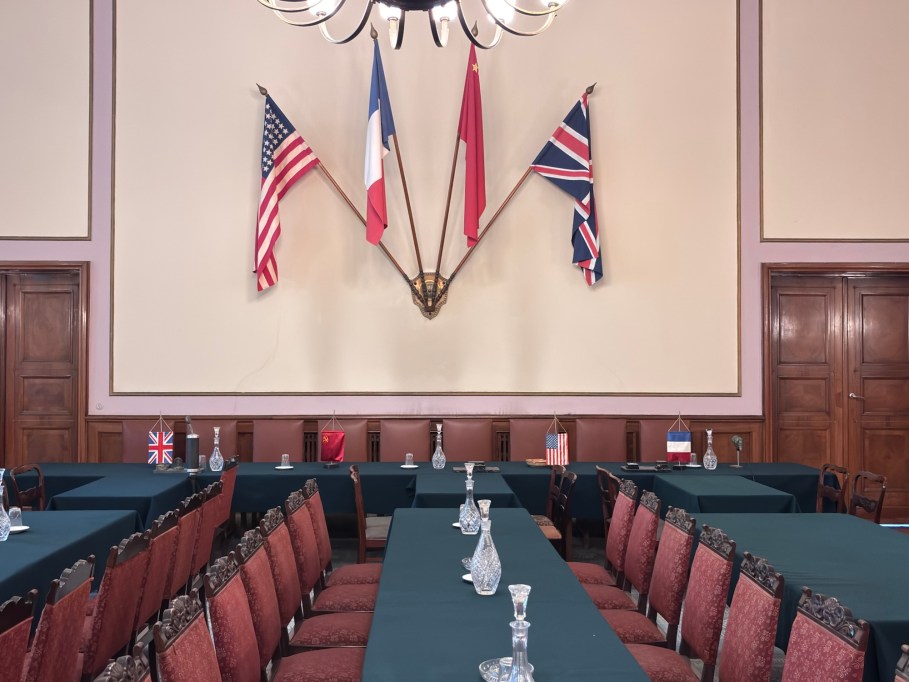
One signing took place in France’s Reims on 7 May 1945 in the presence . On the night of 8-9 May, a second signing took place in the presence of Soviet military leaders in Karlshorst, about 11 km southeast from Berlin’s Reichstag parliament building. Both signings meant total surrender by Germany, and hostilities on all fronts in Europe had come to an end, which is why 8 May is remembered annually as V-E day or Victory in Europe day.
Today, the modest officers’ club building for the occasion of the second signing is now the Museum Berlin Karlshorst, which has seen plenty of changes from war’s end to the partition of Germany, to East Germany’s political ties to the Soviet Union, and to subsequent reunification of the 2 Germanys in 1990.
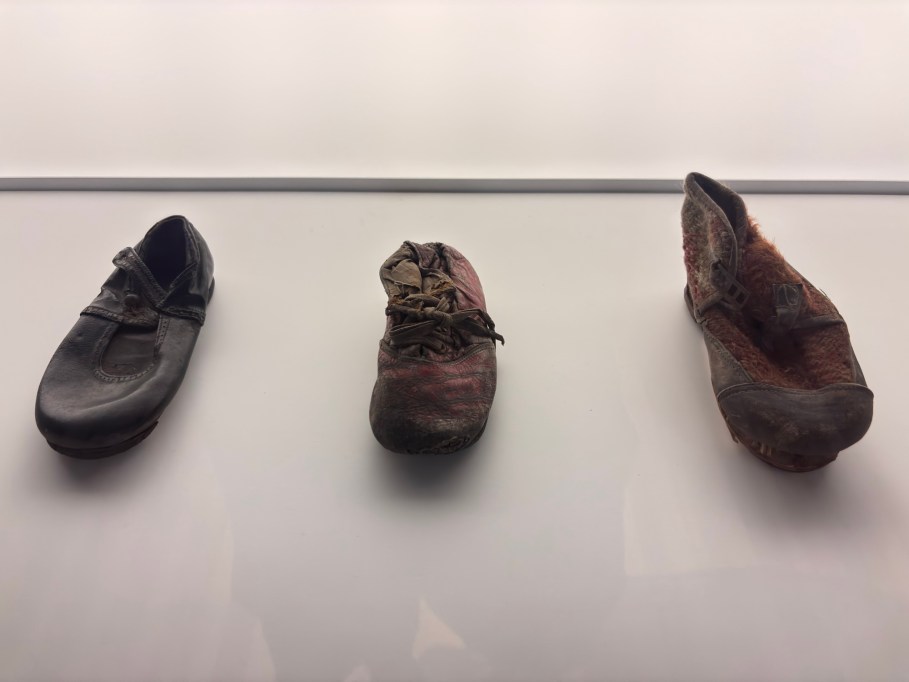
In line with evolving educational needs for the 21st-century, the museum commemorates not only the building and its grand hall, but also aspects of the 2nd World War specific to the Soviet Union: the prelude to war, massive losses of both soldiers and civilians, actions and abuses by the Soviet Red Army, trauma on survivors lingering from years to decades.
The museum is free of charge, and open to the public Tuesday to Sunday from 10am to 6pm.






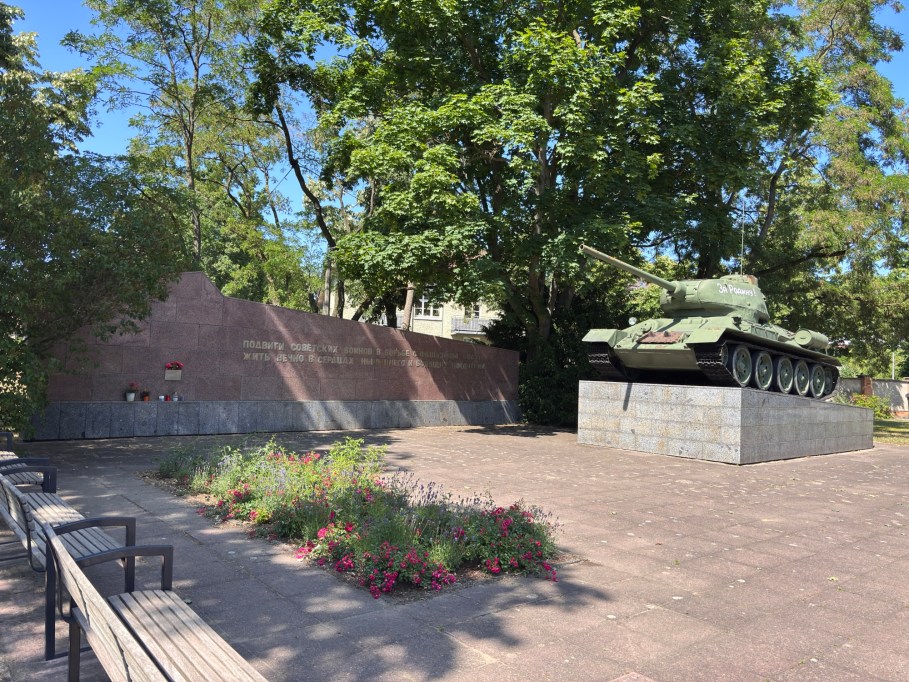
“за родину!” (for the homeland!)
I made all images above with an iPhone15 on 20 June 2025. This post composed within Jetpack for iOS appears on Fotoeins Fotografie at fotoeins DOT com.
 Fotoeins Fotografie
Please leave your comments below