Fotoeins Fotografie

location bifurcation, place vs. home

Posts tagged ‘Muenchen’

Munich: Ghost station “Olympic Stadium”

In the vicinity of Munich’s Olympic Stadium is a train station overgrown with brush and weeds. The tracks stretch north and south, but go nowhere.

Munich played host to the Summer Olympics in 1972; physical reminders include the Olympiadorf (Olympic Village), Olympiapark, and the Olympiastadion (Olympic Stadium). In 1988, the train station “München Olympiastadion” closed to train service for the final time. Rail tracks which connected the station with the North Ring freight tracks were cut, isolating the station and leaving it to decay.

Since 2001, the Olympic Village has been listed as part of the heritage Olympiapark ensemble which includes the abandoned station. But will the station be left to decay? Or will the station be refurbished in some way to become a living memorial?

Historical maps of the MVV U- and S-Bahn system show how train service from central Munich to Olympic Stadium was utilized. S-Bahn train service carried passengers along the central trunk to Olympic Stadium via Hauptbahnhof, Laim, and Moosach; check out the system maps for June 1972 and June 1988.


( Click here for images and more )

Munich: Memorials to the 1972 Olympics Massacre

Above/featured: Munich’s Olympic Park: Olympic Tower and the tent roof structure.

In my hockey-mad nation of birth, September 1972 is defined by the epic hockey Summit Series between Canada and the Soviet Union; the games and individual stories are stuff of legends. But high on my mind since childhood have been the tragic events that same month in Munich: the worst terrorist act in modern Olympics history.

The 20th Summer Olympics were under way in Munich, Germany, and “Die heiteren Spiele” (The serene Games) as they were called were the first summer games held in post-war Germany since the 1936 Berlin Olympics. Both Munich and Germany wanted to show a different peaceful and prosperous side to the world with the generation born after the Second World War.

However, the 1972 Games will also carry the stain of the “Munich Massacre” on 5-6 September. By crisis’ end, the 17 dead included eleven members of the Israeli Olympic team, one German police officer, and five Palestinian kidnappers. Many questions remained about pre-Game preparations and warnings about a possible attack, security measures, crisis management, and the failed attempt to liberate the hostages. Complete details of events remain murky even after 40 years. The disaster would damage the reputations of city, state, and country as well as international relations for years to come.


( Click here for images and more )

Marienplatz, MVG München, U-Bahn, München, Munich, Germany, fotoeins.com

From the World Outside & Into Munich’s Metro

Above/featured: U-Bahnhof Marienplatz.

After dozens of visits since 2002 to Germany’s Munich, I’ve become familiar with the city’s transport network. For the city’s residents, the day-to-day work commute from the upside and into below can merge into a monotonous grind. The following images within five U-Bahn or metro sitations might challenge that notion with ghost-like and otherworldly appearances.


Georg-Brauchle-Ring

Georg-Brauchle-Ring, MVG München, U-Bahn, München, Munich, Germany, fotoeins.com

7am morning commute (IG)


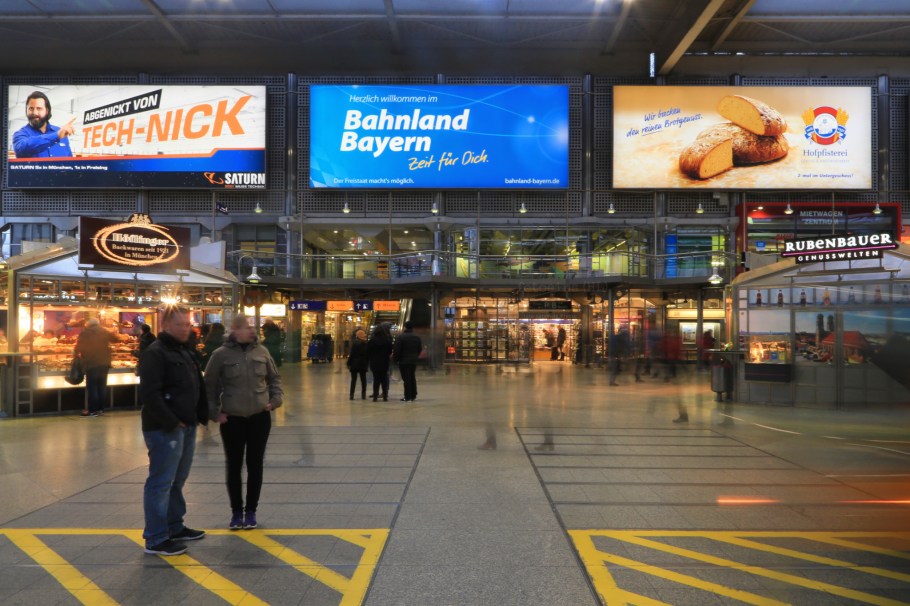
Hauptbahnhof

Hauptbahnhof, MVG München, U-Bahn, München, Munich, Germany, fotoeins.com

Bahnland Bayern (IG)


Lehel

Lehel, MVG München, U-Bahn, München, Munich, Germany, fotoeins.com

One foot in front of the other … (IG)


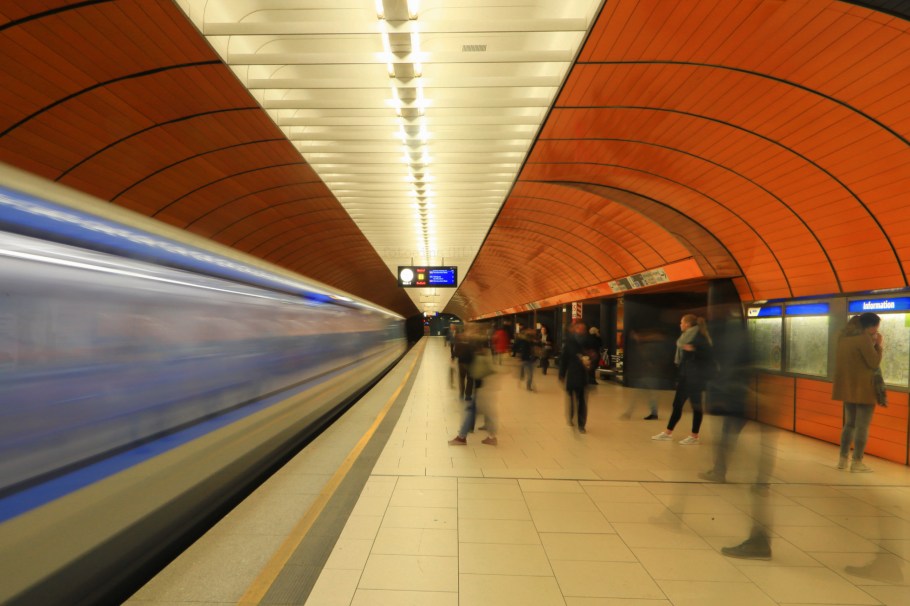
Marienplatz

Marienplatz, MVG München, U-Bahn, München, Munich, Germany, fotoeins.com

U6, nach/to Klinikum Grosshadern (IG1, IG2)


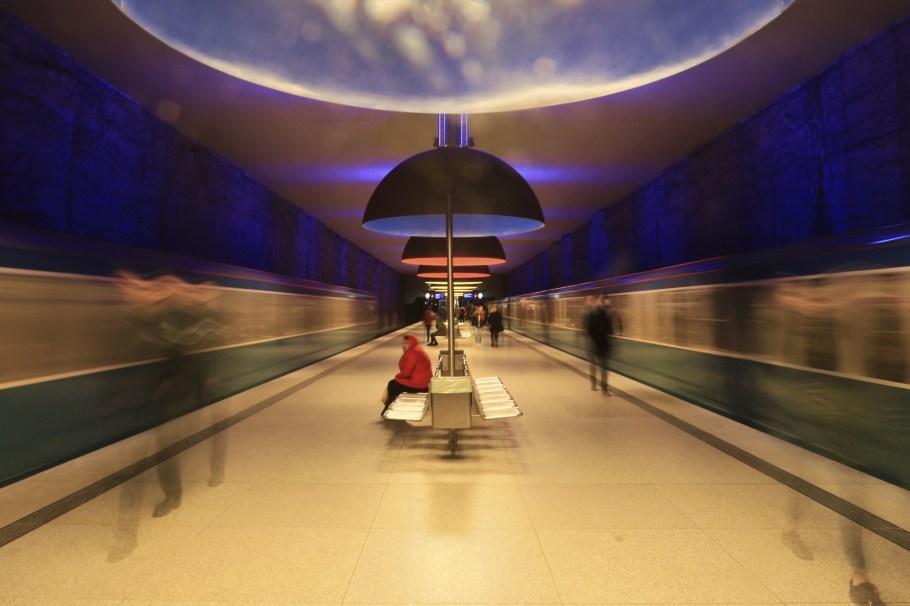
Westfriedhof

Westfriedhof, MVG München, U-Bahn, München, Munich, Germany, fotoeins.com

Comings and goings (IG)


I made all pictures above between 22 and 24 February 2017 inclusive. Alle Fotoaufnahmen sind mit Wasserzeichen versehen worden. This post appears on Fotoeins Fotografie at fotoeins.com as https://wp.me/p1BIdT-buj.

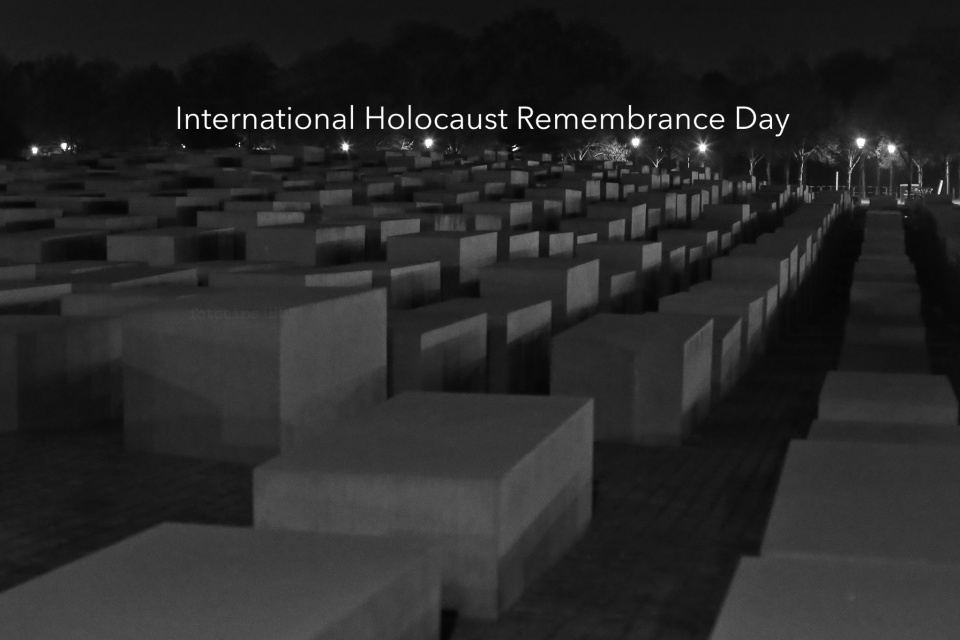
IHolocaustdenkmal, Berlin, Germany, fotoeins.com

International Holocaust Remembrance Day: observations from Germany

Primo Levi, Italian-Jewish author, chemist, and Auschwitz survivor, delivered a set of essays about life and survival in Nazi extermination camps in his 1986 book “The Drowned and the Saved”. Levi wrote:

… For us to speak with the young becomes even more difficult. We see it as a duty and, at the same time, as a risk: the risk of appearing anachronistic, of not being listened to. We must be listened to: above and beyond our personal experiences, we have collectively witnessed a fundamental, unexpected event, fundamental precisely because unexpected, not foreseen by anyone. It took place in the teeth of all forecasts; it happened in Europe; incredibly, it happened that an entire civilized people, just issued from the fervid cultural flowering of Weimar, followed a buffoon whose figure today inspires laughter, and yet Adolf Hitler was obeyed and his praises were sung right up to the catastrophe. It happened, therefore it can happen again: this is the core of what we have to say.

On 27 January 1945, Soviet Red Army troops liberated the Nazi concentration and extermination camp at Auschwitz-Birkenau in south-central Poland. Over 1 million men, women, and children were murdered.

The United Nations declared January 27 as International Holocaust Remembrance Day; the designation came during the 42nd plenary session of the United Stations when resolution 60/7 was passed on 1 November 2005.

Accepting and openly stating responsibility are critical first steps, but spending time, money, and effort to ensure the simple motto of “never again” is also an ongoing reality that isn’t solely up to the citizens of Germany. It’s a collective responsibility that we all should have to remain vigilant; that we all have to recognize and bolster actions which encourage and strengthen the universality of human rights, and reject the erosion and withdrawal of those rights.

I believe responsible tourism also includes paying appropriate respect at a memorial, especially the Holocaust Memorial in Berlin. It’s my view this important memorial is not (supposed to be) a playground.

And yet, there’s something to be said about what it means to have freedom in the early 21st-century, allowing people to laugh and frolic in the public space, an undulating sculpture of featureless massive grey cement blocks, a testimonial to the systematic murder of millions of people.

Naturally, you have the freedom to play here, take selfies, and have a grand time. But it doesn’t mean I’m gonna laugh with you; for example: Yolocaust art project (DW 2017).


( Click here for more )