Fotoeins Fotografie

location bifurcation, place vs. home

Posts tagged ‘Deutschland’

Wittenberg UNESCO WHS: Castle Church

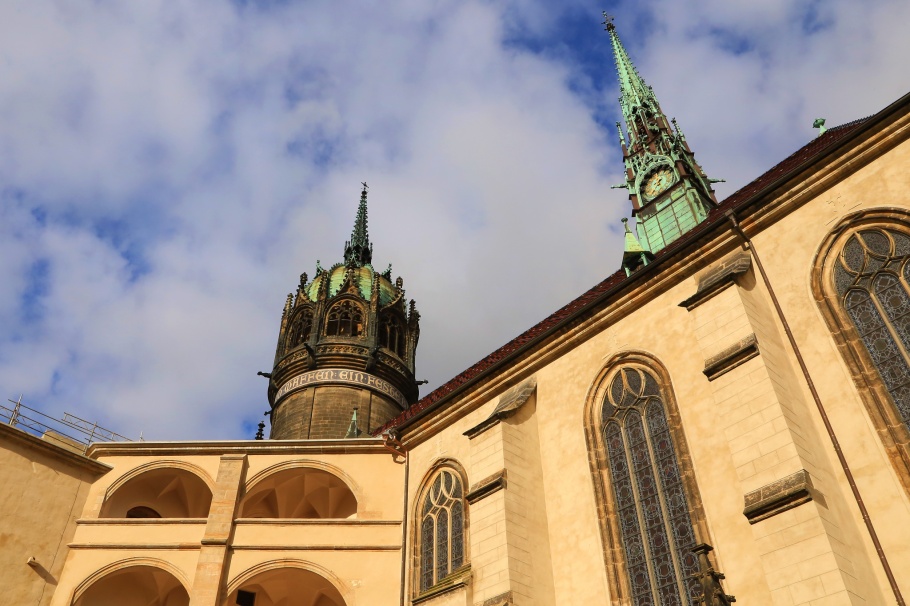
In the east German town of Wittenberg, the Schlosskirche (Castle- or All Saints’-Church) is one of four sites as part of the town’s status as UNESCO World Heritage Site since 1996.

Elector Frederick III of Ernestine Saxony (1463-1525, also known as Frederick the Wise, Friederich der Weise) became the first patron of the Protestant Reformation with his support and defence of Martin Luther. On the site of the original city castle, Frederick the Wise authorized in 1489-1490 a renaissance palace with the entire north wing occupied by the Castle Church. The church was consecrated and inaugurated in 1503 as the castle and university church “Allerheiligen” (All Saints); Martin Luther taught theology as professor at the neighbouring university. The first Protestant service at the Castle Church was held in 1524-1525.

A significant portion of the church including the original wooden doors was burned and destroyed in 1760 during Europe’s Seven Years’ War (1754-1763). The 1770 replacement church was subsequently destroyed in the conflict against France’s Napoleon which ended with the town under Prussian control in 1815. With support and backing by Emperor Wilhelm II, a full renovation of the church took place between 1885 and 1892 with the west tower taking the form and shape we see today (see also below). The graves for Martin Luther, contemporary colleague and fellow reformer Philipp Melanchthon, and Frederick the Wise are inside the church. After three years of renovation and restoration work in time for the Reformation quincentenary in 2017, the Castle Church was reopened in the autumn of 2016.

Schlosskirche, Castle Church, Wittenberg, Sachsen-Anhalt, Saxony-Anhalt, UNESCO World Heritage Site, Germany, fotoeins.com

( Click here for images and more )

Wittenberger Marktplatz, Rathaus, Lutherdenkmal, Stadtkirche Sankt Marien, Marktplatz, Lutherstadt Wittenberg, Sachsen-Anhalt, Wittenberg, Saxony-Anhalt, Germany, Deutschland, UNESCO, World Heritage Site, Welterbe, Weltkulturerbe, fotoeins.com

The Saxony-Anhalt 5: Luther & Bauhaus

(October 2016)

As motivation to trace Martin Luther’s footsteps for the 500th anniversary of the Reformation in 2017 and to learn more about the impact of the Bauhaus art and design movement for the centenary in 2019, I embarked on a press-trip in the autumn 2016 to the German federal state of Saxony-Anhalt.

(( The description of this trip would be a continuation of a consecutive annual streak going back to 2001. I’ve set foot inside Germany at least once every year since 2001. I’d already claimed another consecutive year with a short stint at “home” in the HD earlier in the spring, but autumn in-country* solidly confirmed a 16th consecutive year in the country. ))


( Click here for more )

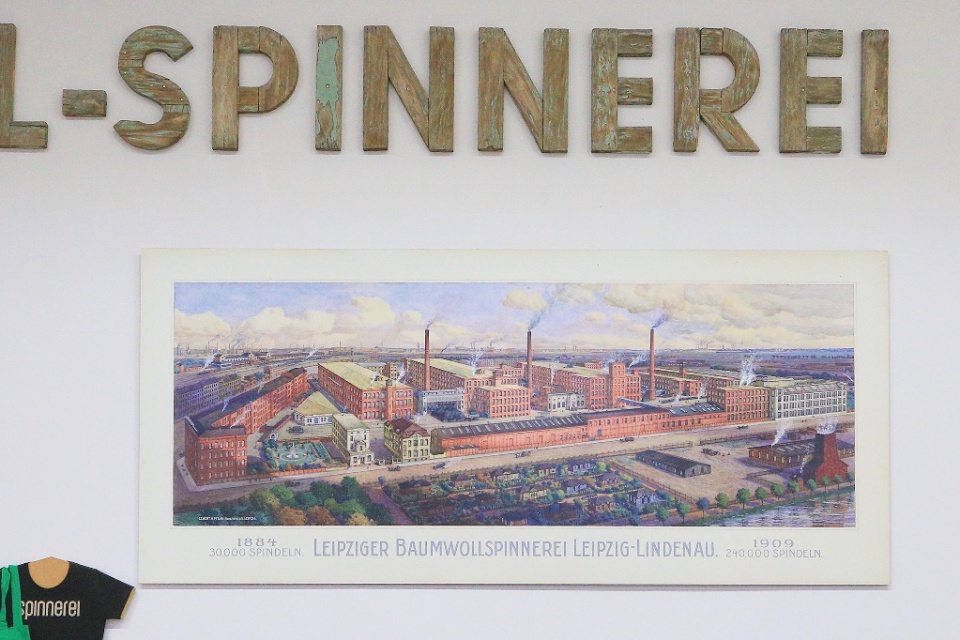
Spinnerei, Leipzig, Sachsen, Saxony, Germany, fotoeins.com

Leipzig Spinnerei: from cotton mill to arts centre

The Leipzig Spinnerei is a former cotton mill (Baumwollspinnerei) in the western industrial suburb of Plagwitz. The massive site at an area of 10 hectares (over 1 million square feet) with rows of factory buildings began operation in 1884 and eventually became the largest cotton mill in Europe with thousands working and living on-site. After the site ceased to produce spools of cotton thread shortly after reunification, artists took advantage of the cheap empty space, and transformed the area into studios, galleries, and exhibition halls. Much has been written about the impact and examples of art and space on Leipzig as the “new Berlin” as well as the “New Leipzig School.” The site as art and culture space opened its doors in 2005.

( Click here for images and more )

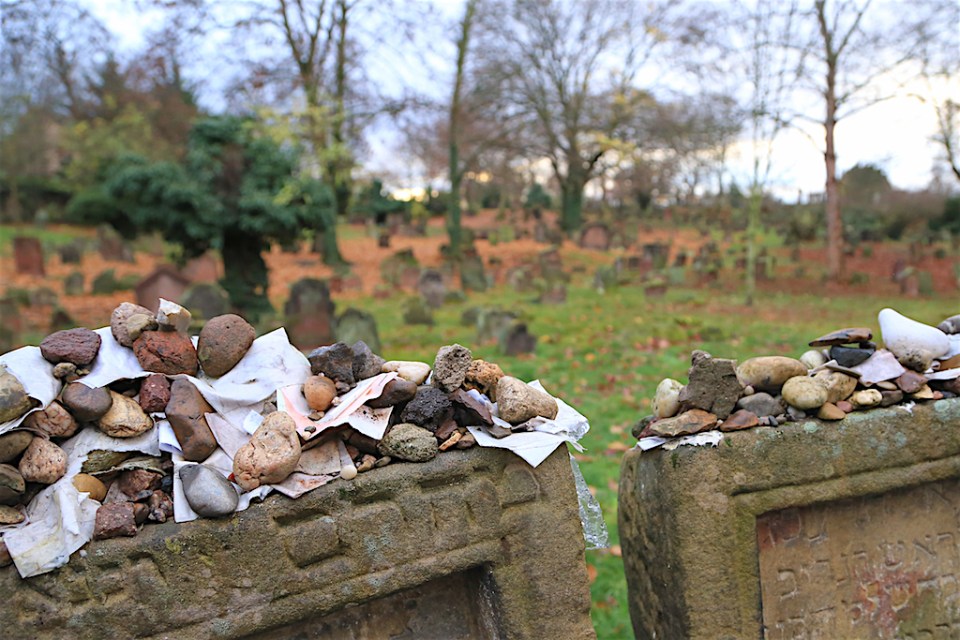
Juedischer Friedhof, Heiliger Sand, Jewish Cemetery, Holy Sand, Worms, Rheinland-Pfalz, Rhineland-Palatinate, Germany, fotoeins.com

Worms’ Holy Sand: The Rabbi and the Patron

From Worms to Rothenburg, and back to Worms.

Located near the entrance to Worms’ old Jewish cemetery are gravestones of two important figures in medieval Jewish-German history. The cemetery is also called “Holy Sand”1, and is one of many places of interest in the medieval ShUM league of Jewish cities. The gravestones for Rabbi Meir ben Baruch (centre) and Alexander ben Salomo (right) are shown in the picture below.

( Click here for more )

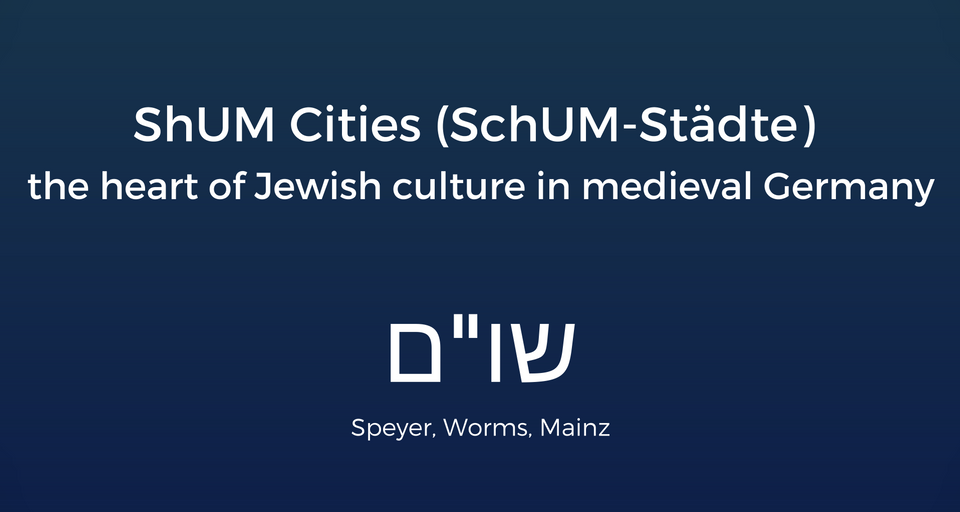
ShUM, SchUM, medieval Jewish cities, Speyer, Shpira, Worms, Warmaisa, Mainz, Magenza, Germany, Ashkenaz, Rheinland-Pfalz, Rhineland-Palatinate, fotoeins.com

ShUM, Jerusalem on the Rhine: Speyer, Worms, Mainz

When threats of destruction to property and life follow and linger over a group of people through no fault of their own over centuries, there’s something to be said about an eternal need to keep a watchful eye. Words like Verfolgung, Vernichtung, and Vertreibung1 have been etched into memory. I have all this in mind as I explore Jewish history in Germany as part of my need to answer the following question:

How did a nation of people which fostered composers Bach, Beethoven, Handel, Mendelssohn-Bartholdy, Strauss; and writers Goethe, the Brothers Grimm, Heine, Hesse, Heinrich and Thomas Mann, and Schiller sink to the worst depths of human atrocity and depravity in the first half of the 20th-century?

It’s easy to forget Jewish people have lived in what is now Italy and southern Europe since the middle of the 2nd-century BCE and inhabited southern Germany from the late 10th-century AD/CE2. During the High Middle Ages, three important bishopric (and cathedral) cities of Speyer, Worms, and Mainz along the Rhine river formed an important league or federation of Jewish communities (Kehillot) from the end of the 10-century to about the mid-to-late 14th-century. The word ืฉื•”ื or ShUM (SchUM in German)4 is an acronym consisting of the first letters of the Hebrew names for the three cities:

•   Shin (ืฉ), Sh for Shpira (ืฉืคื™ืจื) → present-day Speyer;
•   Waw or Vav (ื•), U for Warmaisa (ื•ื•ืจืžืฉ) → present-day Worms;
•   Mem (ื), M for Magenza (ืžื’ื ืฆื) → present-day Mainz.

The ShUM cities became centres for learning, training, religion, culture, and trade within medieval Germany (Ashkenaz3) and throughout Europe. Today, the three ShUM cities establish key destinations for historical travel, provide rich examples for continuing research on medieval Jewish life, and add up to a comprehensive project in recognizing an important chapter of the history of Jews in Germany.

The ShUM/SchUM was inscribed as World Heritage Site by UNESCO at the 44th meeting of the World Heritage Committee in July 2021. ShUM is Germanyโ€™s 1st all-Jewish world heritage site, a big acknowledgement to the centuries-long presence of the Jewish community along the Rhine river.


( Click here for more )