Fotoeins Fotografie

location bifurcation, place vs. home

Posts from the ‘Australia’ category

Sydney: ANZAC Day (2013)

The guns are silent.

In Australia and New Zealand, ANZAC Day is a national day of remembrance to mark the 1915 landing at dawn of ANZAC troops at Gallipoli peninsula in Turkey in World War 1 (WW1). The Australia and New Zealand Army Corps (ANZACs) saw their first WW1 military action in Gallipoli as part of an Allied expeditionary force whose aim was to free passage for allied shipping through the Dardanelles, a narrow strait connecting the Aegean Sea with the Sea of Marmara, and onwards to Constantinople (now Istanbul). Instead, months of heavy fighting became a stalemate with major losses on both sides.

The importance of this date for both countries has ensured that ANZAC Day takes place annually on the 25th of April. In the present, ANZAC Day is a day to remember Australians and New Zealanders who have represented and served their countries in combat and peacekeeping efforts around the world.

Most veterans from the two great world wars of the 20th-century are gone, and soon, they’ll all fade away; the last surviving Australian participant at Gallipoli died in 2002. If ANZAC day has become an excuse for consumption and frivolity, the historical context for present-day commemoration is in danger of becoming lost. Michael Brissenden wrote for the Australian Broadcasting Corporation :

… It’s clear now that Anzac Day has grown to become our most important commemorative day. But is that in itself enough? Should it also spark more of a national conversation? And shouldn’t we at least try and invest the day with what historians like Clare Wright call “historical authenticity”? Along with the mass patriotic sentiment, the huge crowds and even the football grudge matches the day now inspires, some are still searching for more.

The photographs below reflect a small cross-section of people and their memories. By chance, I meet with Ken Curran, Australian World War 2 war-veteran and member of the Order of Australia; I write about him here.

I made all of the photos below on ANZAC Day (25 April) 2013 in the Sydney CBD with a Canon EOS450D/Rebel XSi. This post appears on Fotoeins Fotografie at fotoeins DOT com as http://wp.me/p1BIdT-3gp.

( Click here for images and more )

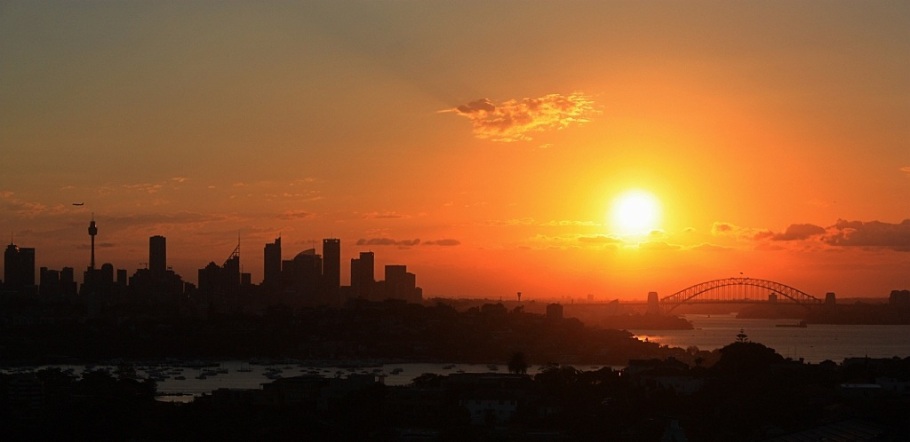
Dover Heights, Sydney, Australia

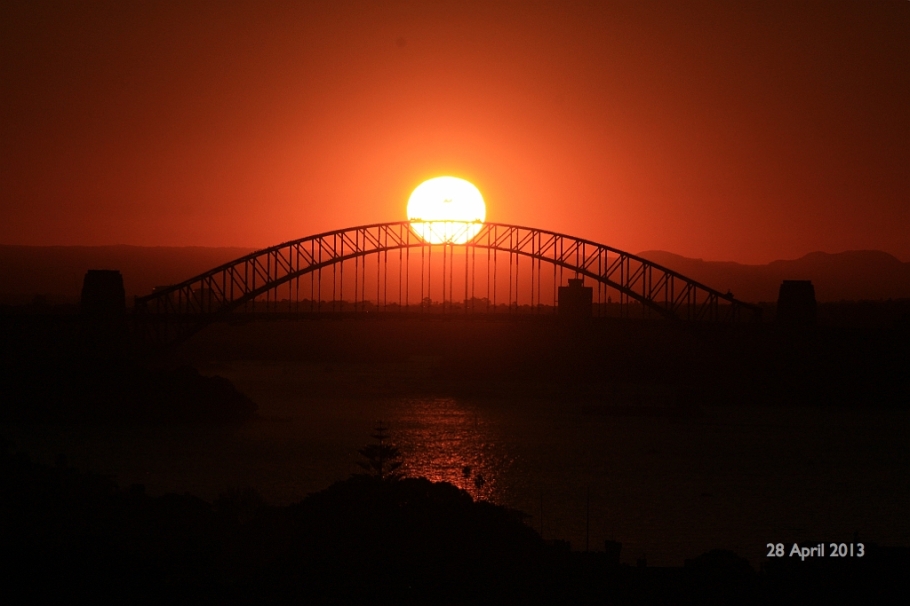
Sydney: sunsets from west and east

It can be a little unusual to view a sunset from both west and east.

From the west looking east, the sun is behind the viewer, and the setting sun illuminates everything in front of the viewer; that’s a way to describe “front illumination.” From the east looking west, the sun is in front of the viewer, and anything in between the sun and the viewer will appear (mostly) in silhouette; this is an example of “back illumination”.

That’s all very wordy to be sure, but I have above photos of two sunsets in Sydney, one sunset seen from the west and another sunset seen from the east.

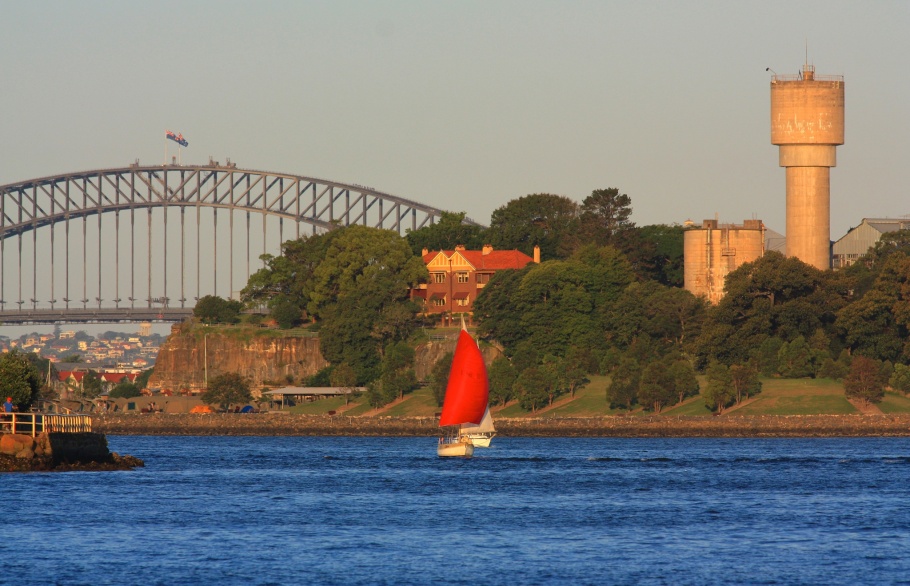
In the first case, I boarded the Parramatta River ferry and headed east towards the City as the sun set behind us on the boat. In the second case, I wandered over to Dover Heights in the eastern suburbs to watch the sunset directly in front of me.

In both cases, the Sydney Harbour Bridge is the centrepiece for the setting sun.

Addendum: this photographic experiment became a complete success two weeks after the first photo I made on 14 April …

( Click here for more )

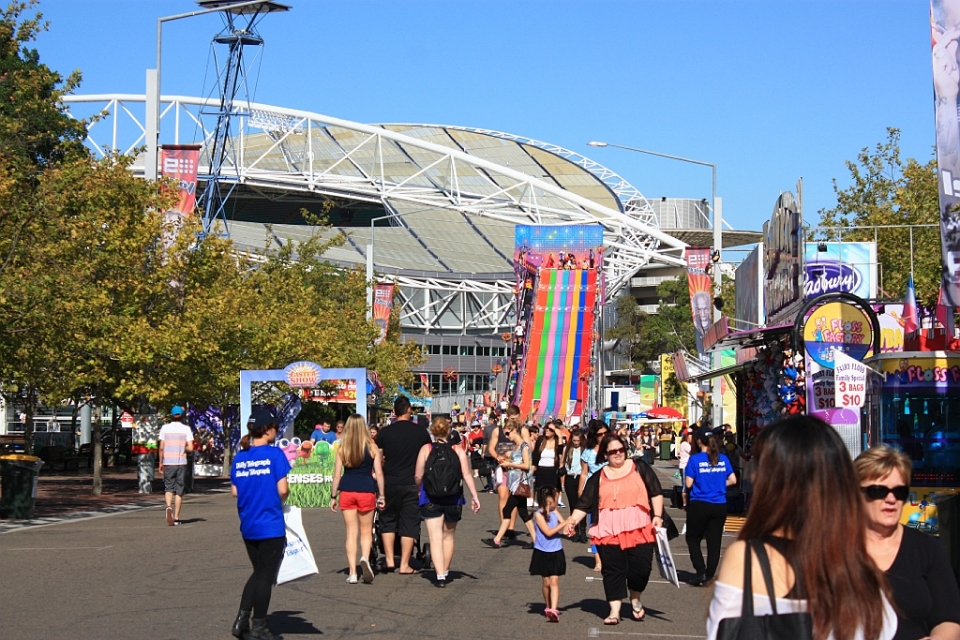
Royal Easter Show, Olympic Park, Sydney, Australia

Sydney: Royal Easter Show, 190th edition (2013)

Friends here in Sydney asked if I wanted to go to the Sydney Royal Easter Show, one of the largest agricultural exhibitions and one of the largest annual events in Australia. As memories surfaced of years past spending warm days and cool evenings at the late-summer’s Pacific National Exhibition in Vancouver, Canada, I replied with a big “yes”!

The Sydney Royal Easter Show celebrates the 190th edition in 2013. The show began in 1823 at Parramatta Park and sponsored as a meeting of then Agricultural Society of New South Wales, now the Royal Agricultural Society of New South Wales. To help support the struggling population in what was then the agricultural centre of the New South Wales colony, the main intent was to find ways to improve farming methods for both animals and crops.

Now, at the site of Sydney Olympic Park, the Royal Easter Show has many visitors of all ages and sizes; numerous animals (prize-winners, too) from bovines to canines and equines to porcines; carnival rides and amusement games; and the smells and tastes of “food at the fair”.

It’s an entertaining way to spend a warm and sunny early-autumn afternoon. The 2013 edition of the exhibition runs from 21 March to 3 April inclusive.

( Click here for more )

The Coathanger, Sydney Harbour Bridge, Sydney, Australia

Sydney: happy 94 to the Harbour Bridge (2026)

March 19 marks the anniversary of the opening of the Sydney Harbour Bridge, one of the key landmarks in Sydney, Australia.

Known informally as “The Coathanger”, the steel through-type arch bridge opened on 19 March 1932, joining the harbour’s northern “Kiarabilli” (Milsons Point) with southern “Tarra” (Dawes Point) to vehicular traffic for the first time. The project took eight years to complete the 1.2-kilometre span over the Parramatta River as its waters empty into Sydney Harbour.

It’s easy to forget Sydney is a city of bridges, as Elizabeth Farrelly wrote in the Sydney Morning Herald on 3 January 2013:

Sydney: five bells, one harbour, seven bridges. A bridge is the ultimate romantic symbol, crystallising in steel and concrete the yearning to connect disparate worlds – and Sydney, city of baroque waterways, is as fully (if not as glamorously) bridged as London, Stockholm or Prague.

It’s big, it’s functional, even as some call it “old and ugly.” Today, the bridge provides an important link between the city’s northern suburbs and the Central Business District.

The smooth shiny metallic curves of the Harbour Bridge and the sail-like spherical-shells on the roof of the nearby Opera House form a visually powerful combination which has not only helped to define Sydney but Australia as well on the world stage.

I cannot disentangle memories of Sydney or Australia without thinking about The Bridge. I know when I finally see the Harbour Bridge and the Opera House, I know I’ve arrived and I’m back in Sydney.


The Coathanger, Sydney Harbour Bridge, Sydney, Australia

Sunrise from Mrs. Macquarie’s Point

The Coathanger, Sydney Harbour Bridge, Sydney, Australia

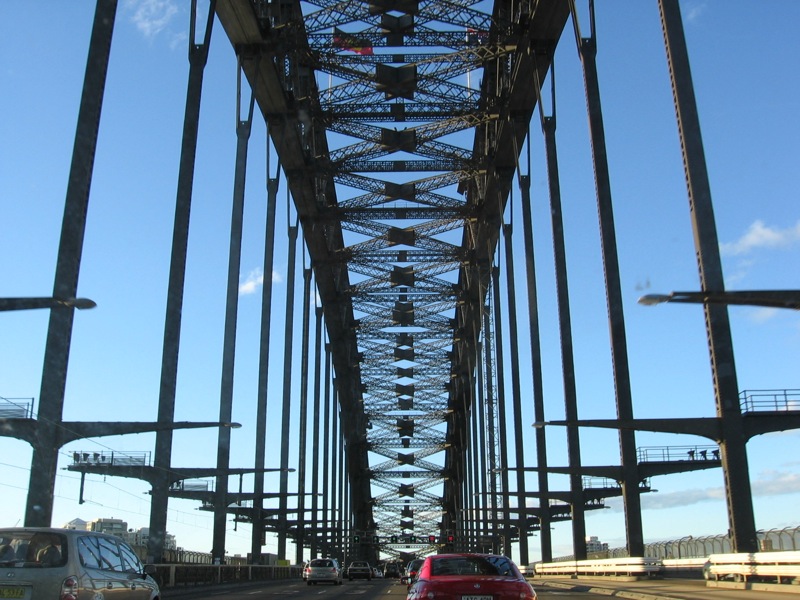
Under the central arch

The Coathanger, Sydney Harbour Bridge, Sydney, Australia

Northbound, through the south pylons

The Coathanger, Sydney Harbour Bridge, Sydney, Australia

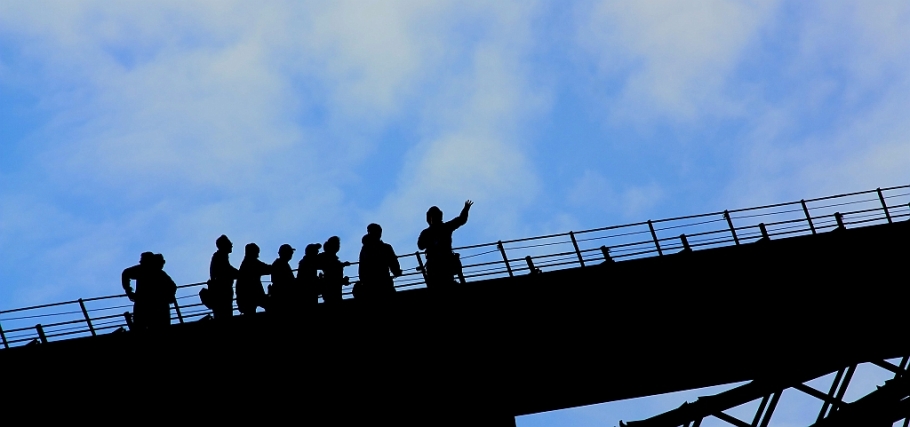
“THIS … is Sydney!”

The Coathanger, Sydney Harbour Bridge, Sydney, Australia

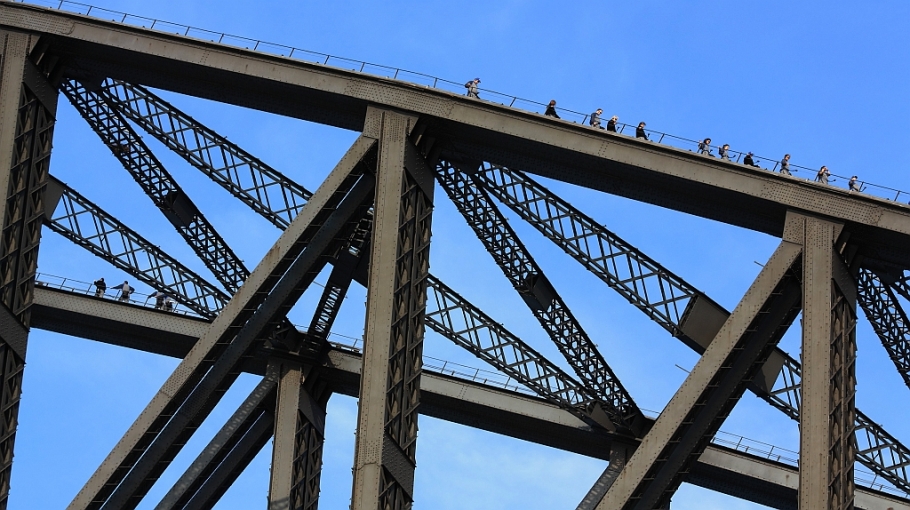
Down to the right, up to the left

Circular Quay, Sydney, Australia

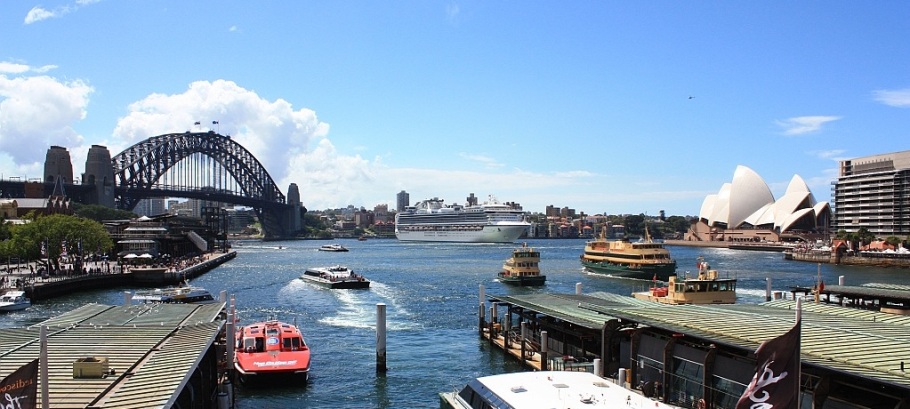
Swarming ships on a summer Saturday, at Circular Quay
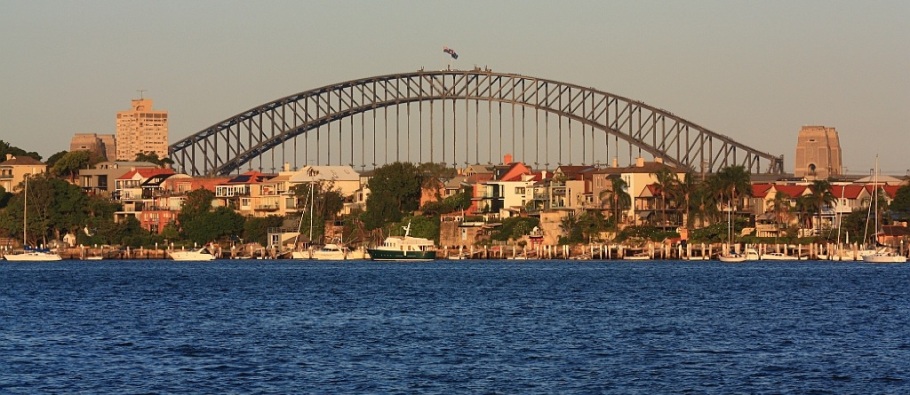
Parramatta River Ferry (east to Circular Quay), Sydney, Australia

Parramatta River, towards Birchgrove

Parramatta River, Sydney Ferries, near Cockatoo Island, Sydney, Australia, fotoeins.com

Parramatta River, near Cockatoo Island
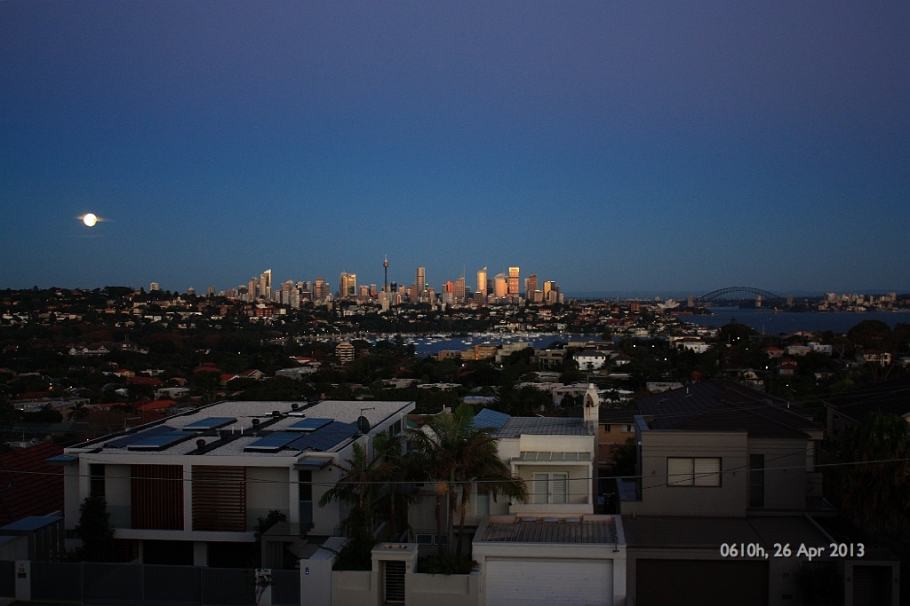
Dover Heights, Sydney, Australia

Moonset in front and sunrise behind, from Dover Heights
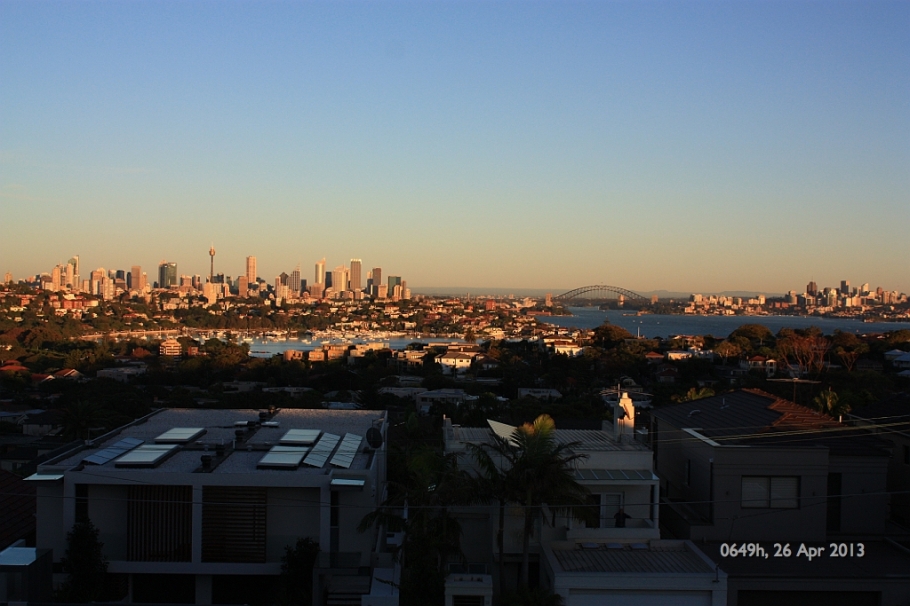
Dover Heights, Sydney, Australia

Morning light on the City skyline, from Dover Heights

Watsons Bay, Sydney, Australia

West view from Gap Park, Watsons Bay

Dover Heights, Sydney, Australia

Setting sun, from Dover Heights

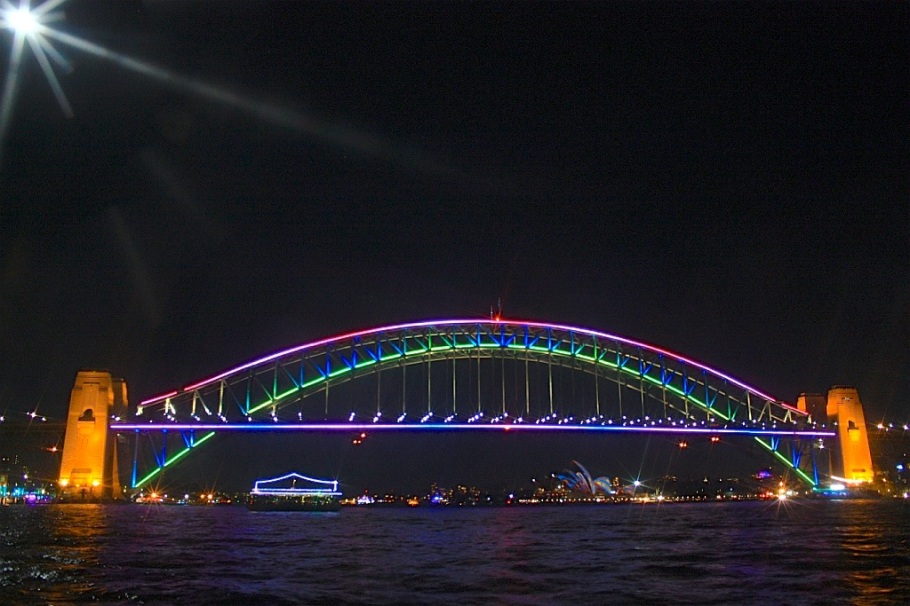
VIVID Sydney - 25 May 2013

VIVID Sydney 2013

VIVID Sydney - 25 May 2013

Full moon over Harbour Bridge, VIVID Sydney 2013, from Blues Point Reserve


I made all of the photos above between 2007 and 2013. I acknowledge Aboriginal and Torres Strait Islander peoples as the traditional custodians of the land called Australia, and the Gadigal people of the Eora Nation as traditional custodians of the place called Sydney. References to Aboriginal placenames: ANU, Australian Museum, Creative Spirits, and Pocket Oz. This post appears on Fotoeins Fotografie at fotoeins.com as http://wp.me/p1BIdT-38e.