Featured: Alter Markt, facing southwest to the former Schloss Blieskastel at upper-centre: Blieskastel, Saarland, Germany (X70).
David Oppenheimer: ✵ 1 January 1834 – 31 December 1897 ✟
As a child of the city, I learned the name of Vancouver’s 2nd mayor, David Oppenheimer, who served in the top post from 1887 to 1891. Escaping the violent revolutions spreading through Europe, David Oppenheimer and his brothers had long been immigrants from Germany, and after time in New Orleans and California, they arrived in what is now southwestern British Columbia and developed business success with their supply stores during the Gold Rush, and with wholesale trade and real estate in the newly incorporated city of Vancouver, where the national railway established its western terminus one year later in 1887. The Oppenheimers stamped their civic legacy not only with the location of the railway terminus, but also with an expansive infrastructure program including a new grand city park, fire department, extensive roadworks, a city-wide electricity grid, streetcar public transport network, and a city cemetery. On 11 April 2008, the Government of Canada’s Historic Sites and Monuments Board designated David Oppenheimer as a National Historic Person.
There’s little doubt the Oppenheimers spent plenty of time in what are now Vancouver’s Chinatown and Strathcona with their business interests and connections to the city’s Jewish community. These are neighbourhoods, respectively, where my parents sought closer ties with the Chinese-Canadian community, and where they bought a new house to raise their family. Decades later, I’ve flown out from Vancouver, and I’ve been on the train from Frankfurt to southwest Germany’s Saarbrücken for its proximity to the Völklingen Ironworks world heritage site. I also recently learned David Oppenheimer was from the area and born in the city of Blieskastel. I arrange to meet with a representative of Stadtarchiv Blieskastel (city archive), and I make my way to Blieskastel to see what I can learn about the Oppenheimer family.
Seems like yesterday: ten years have disappeared in a flash. And yet, a hint of grief is as fresh, now as it was then.
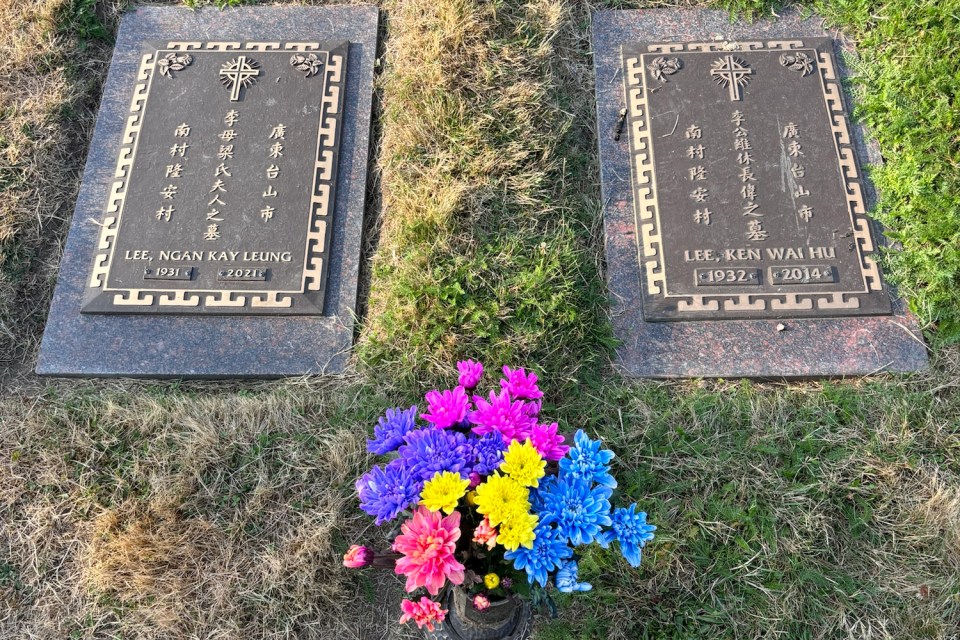
Before dawn, I swear I heard his voice calling out to me. The official pronouncement: 610am, 9 August 2014. Ken Lee, dead at 82. I was afraid I had already forgotten his voice.
Northern summer will always have an air of finality, tainted by memories of frailty and inevitability: entropy at its absolute finest.
One day, I’m on the well-travelled stretch between Mannheim and Cologne, fiddling between an online ticket for an express train and an online (Deutschland-) ticket for the next regional train.
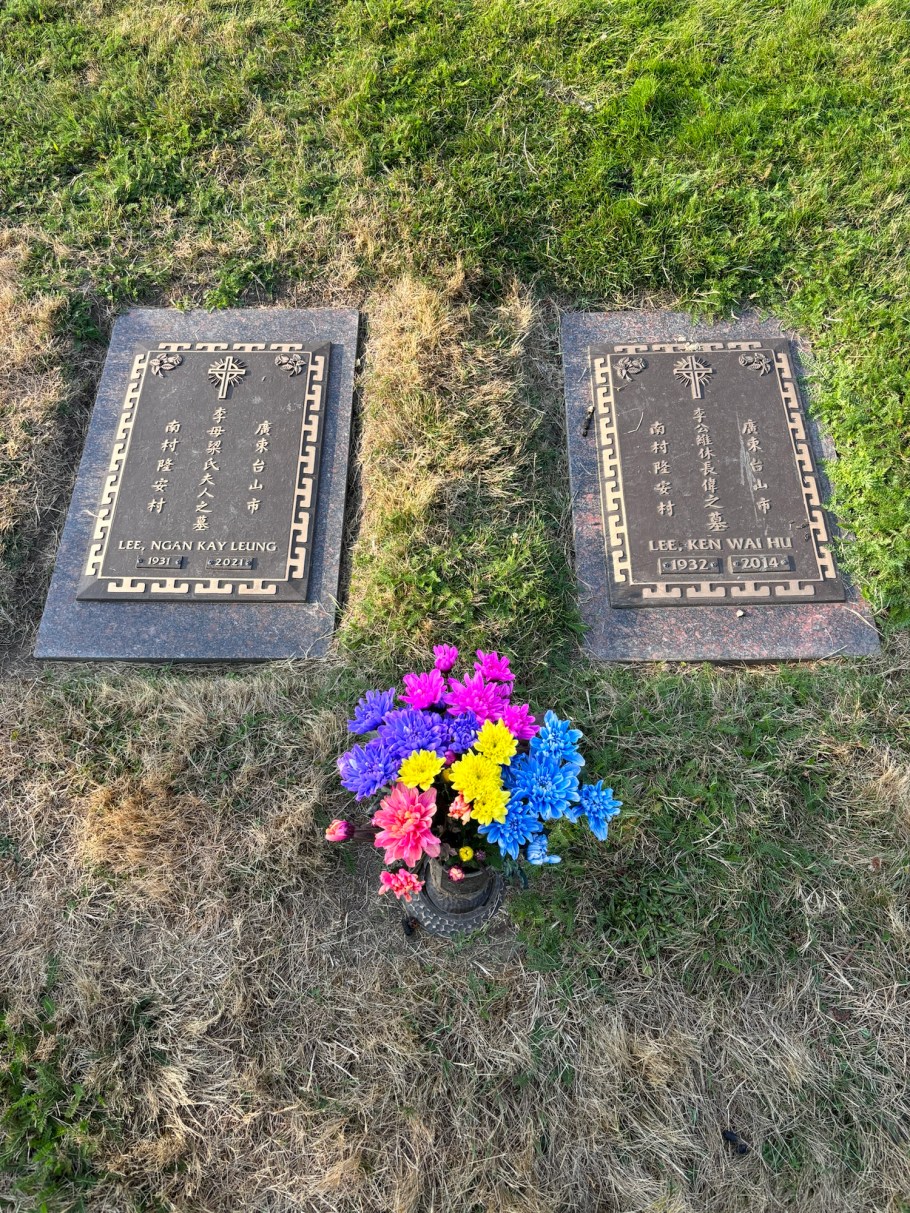
The next day, I’m in a Vancouver cemetery on a late Friday afternoon. I see only two to three other visitors out here. It is almost mid-August. Sun’s out, it’s almost 30C. Somewhere outside of this green patch of stone, metal, and flowers, life thrives and goes on. For me, I’ve come back to get “stuck”; I might as well be 8000 km away, back on the other side of the planet.
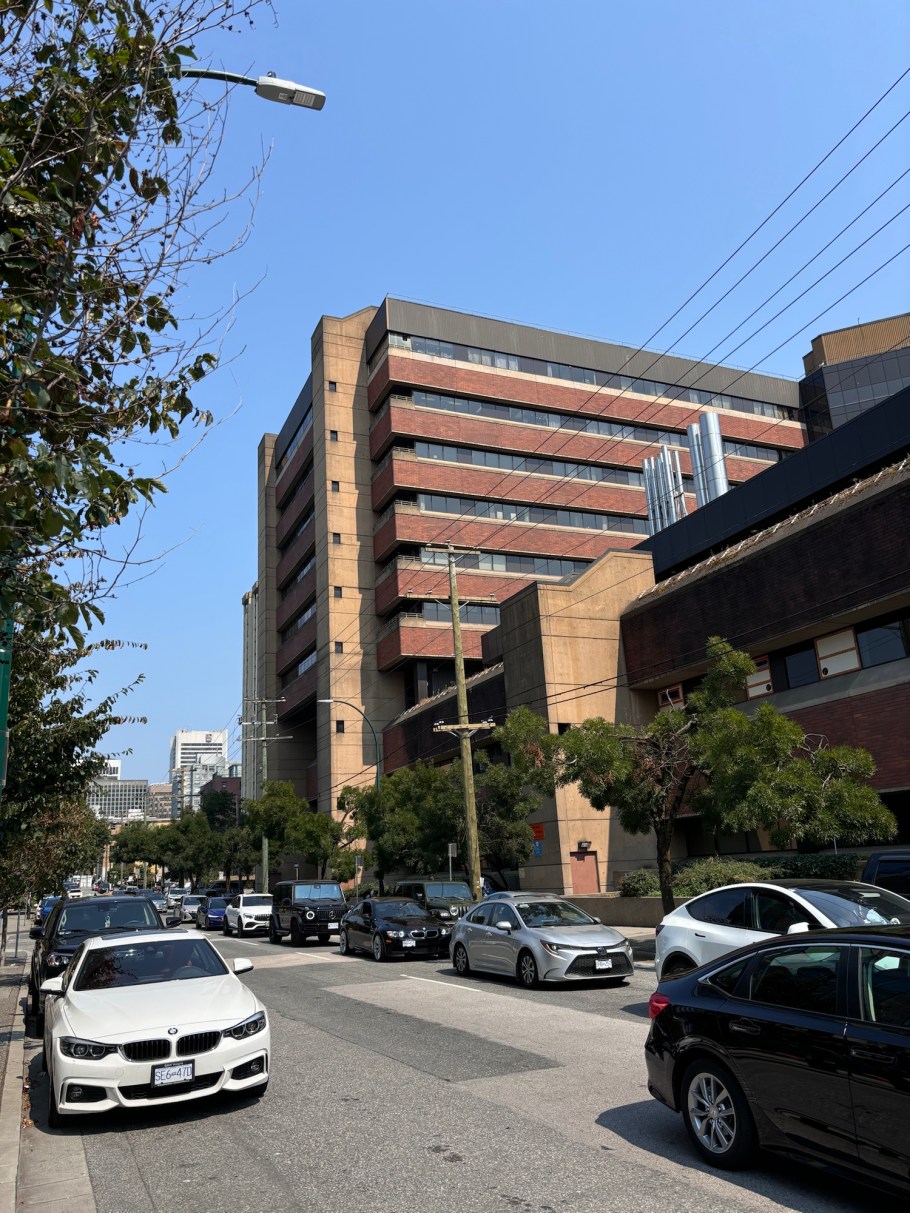
Up on the 10th floor is/was the palliative ward where Dad spent his final 2 weeks.
Ocean View Cemetery.
“Hey, Mom and Dad: it’s me …”
I made the photos above with an iPhone15 on 9 Aug 2024. This post composed with Jetpack for iOS appears on Fotoeins Fotografie at fotoeins DOT com.
Above/featured: U2 train departing Berlin’s Zoologischer Garten station – 28 November 2021.
I look back at an eventful 2021 year with 21 images with personal questions about how impending- and actual-loss affect how life proceeds beyond death, and how feelings of real belonging are different from feelings of a proper home.
Above/featured: After Girard: Vancouver-Strathcona, 14 Oct 2021.
The Fujifilm X70 mirrorless fixed-lens prime camera has been a real boon to my approach to photography for personal projects both domestically and internationally. To satisfy my curiosity, I’ve provided examples of X70 images made with two Fujifilm analog-film simulation (film-sim) recipes:
• Ektachrome 100SW (saturated warm), simulating images with the Kodak colour transparency or slide films produced between 1996 to 2002;
• Kodachrome 64, simulating images with the Kodak colour film produced between the mid-1970s and 2009.
In this post, I examine the Kodacolor film-simulation, a reproduction of which Fuji X Weekly’s Ritchie Roesch describes as “producing a classic Kodak analog aesthetic.” According to Roesch, the digital film-simulation is closest to Kodacolor VR analog color film from the early-1980s, whose ISO200 version is still available for purchase as “ColorPlus 200” (Kodacolor 200).
The following film-simulation recipe creates images similar to the look of “Kodacolor VR 200 (film) that’s been overexposed.” My X70 settings are:
‘Classic Chrome’ built-in film-sim
Dynamic Range: DR400
Highlight: +1 (Medium-High)
Shadow: +1 (Medium-High)
Color: -2 (Low)
Sharpness: 0 (Medium)
Noise Reduction: -2 (Low)
White Balance: 6300K; -3 Red, -2 Blue
ISO: Auto, up to 6400 for “grainy” appearance (or fixed to 1000)
The recipe above is for the X-Trans II sensor; the corresponding recipe for an updated or more recent sensor is found here. All other recipes sorted by specific sensor are found here.
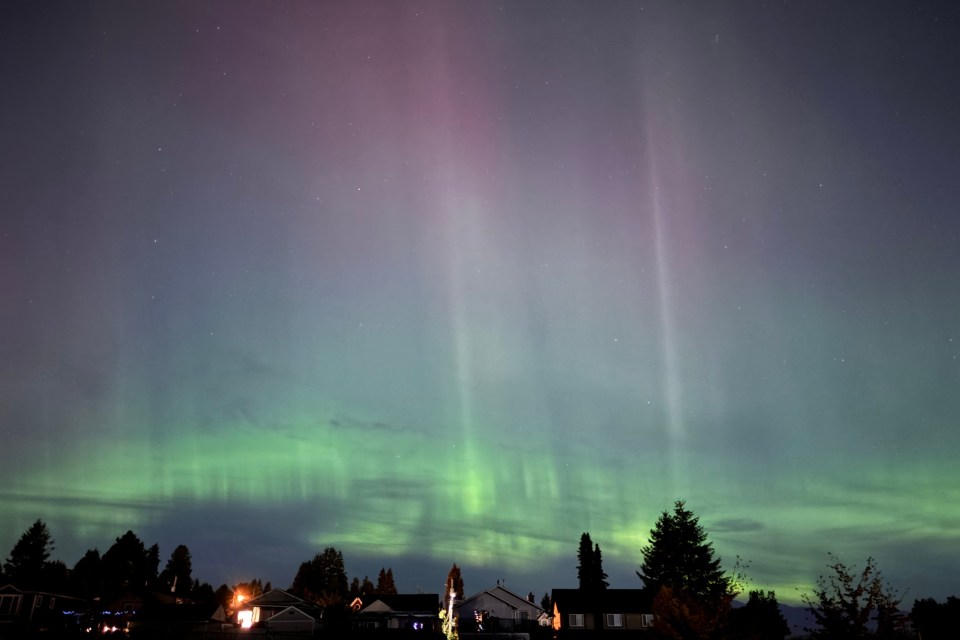
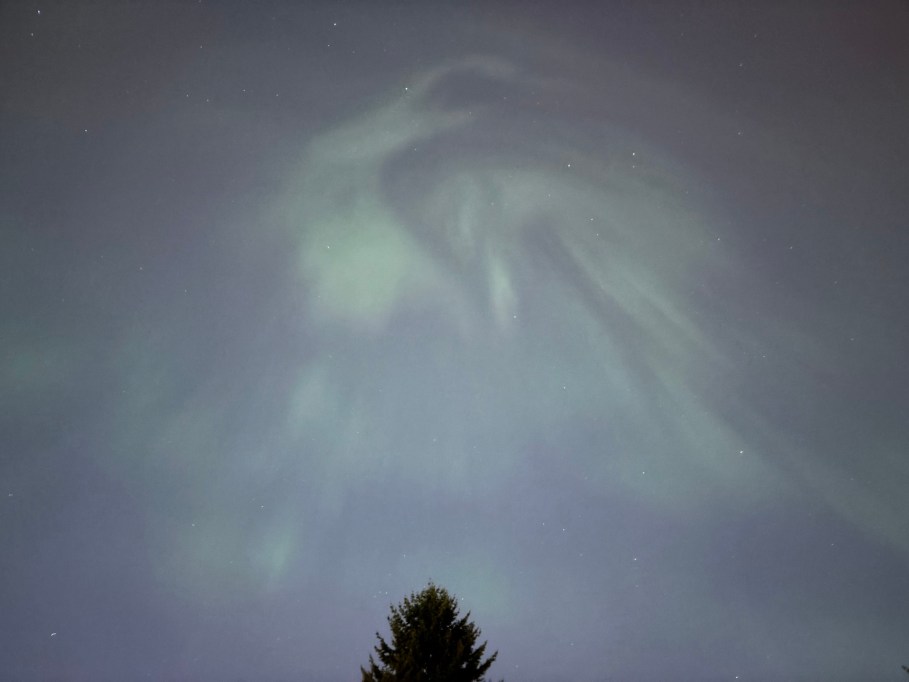
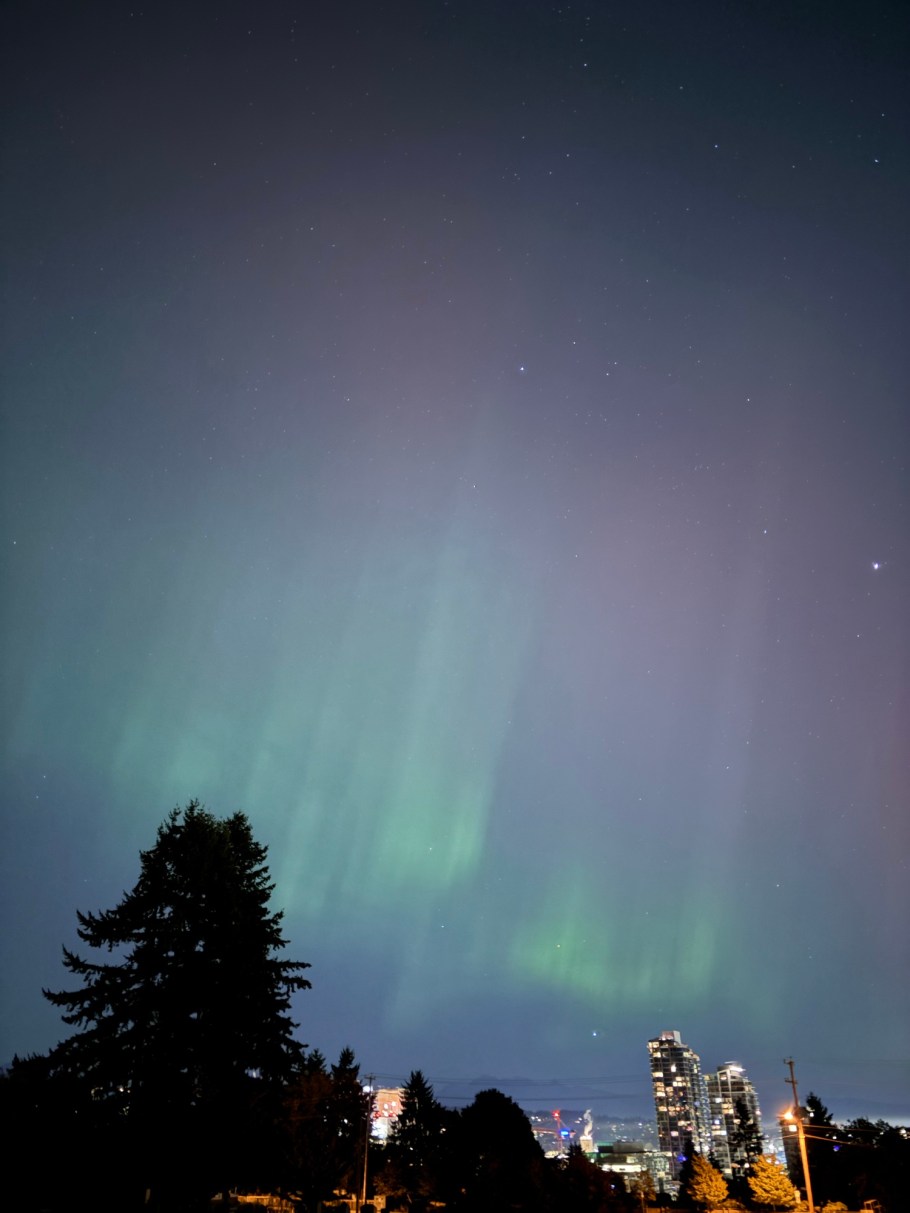
The following images were made at locations throughout metropolitan Vancouver. Minor adjustments to brightness level, rotation, and geometric distortion have been applied from straight-out-of-the-camera (SOOC) to posting.






 Fotoeins Fotografie