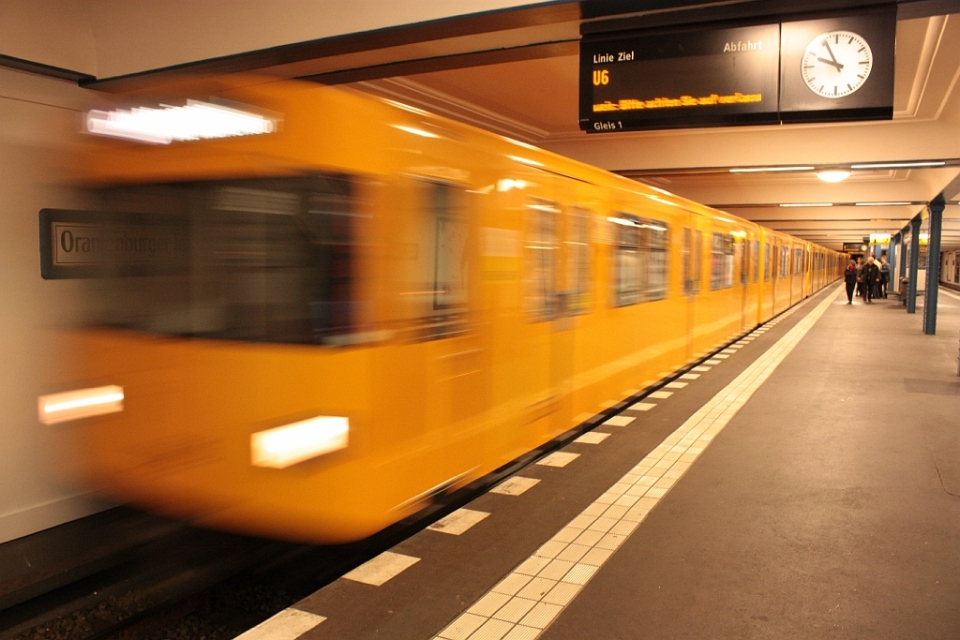
My Berlin: Hauptstadt Memories, 2009-2010
Berlin is one of my favourite cities in the world. Since visiting the German capital city the first time in 2002, it’s been an ongoing love story, which now is entering a second decade.
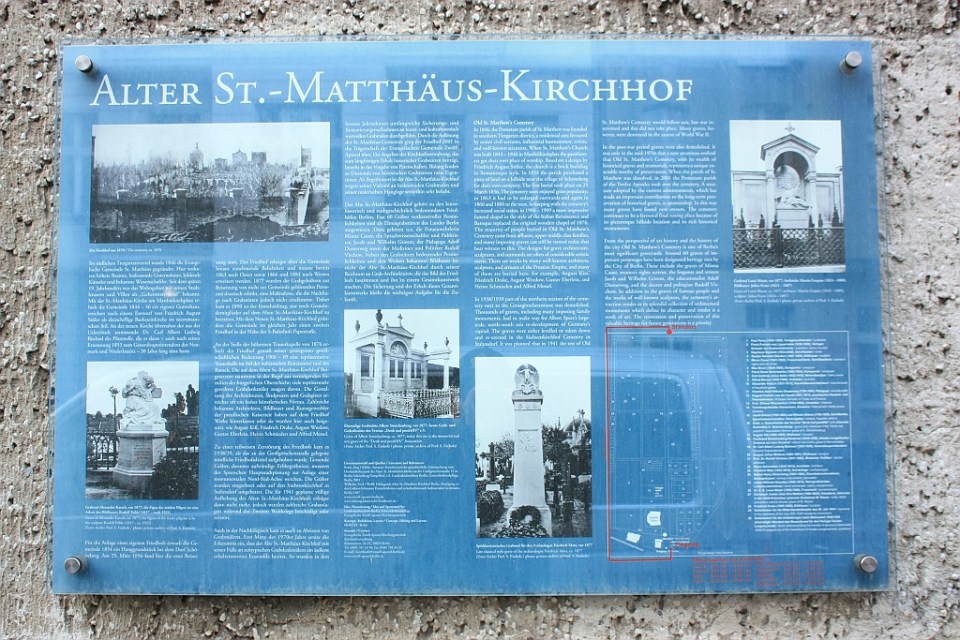
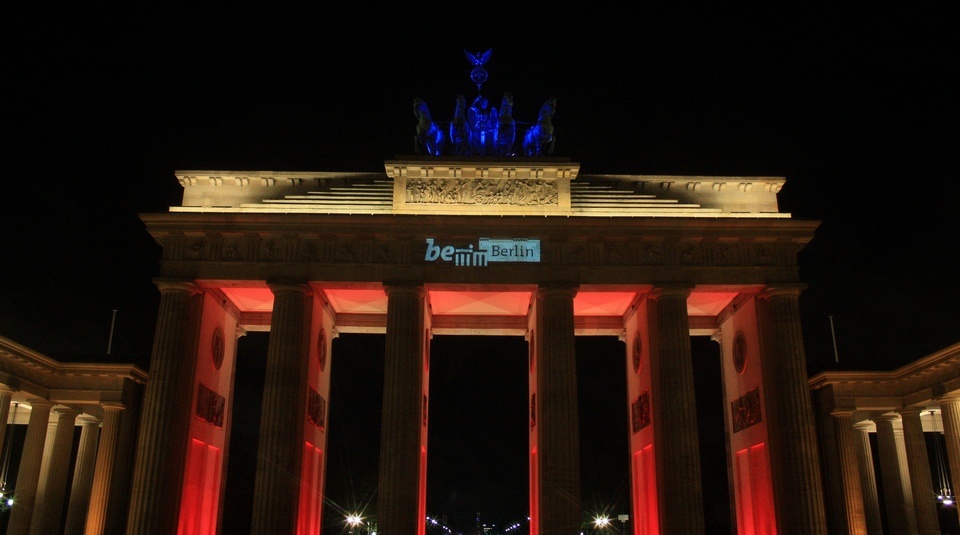
There are a massive number of sights throughout Berlin, but to get a sense of the city and her people, I’ve always believed in combining public transport (trains!) with lots of “pounding the pavement” on foot. The photographs above are personal measurements of motion, geometry, a sense of place, and of locations around the “Hauptstadt.” Upon reflection, I’ve consciously chosen images which are (mostly) out of the direct spotlight of visitors, and even at well-visited locations, I’ve chosen a a longer focal length and/or a tighter crop to show a different point of view.
 Fotoeins Fotografie