Fotoeins Fotografie

location bifurcation, place vs. home

Posts from the ‘MyRTW’ category

My around the world journey: Dec 2011-Jan 2013

Berlin: the city’s oldest Jewish Cemetery

Der Jüdische Friedhof (Old Jewish Cemetery), Grosse Hamburger Strasse

In the past, I’ve often felt guilty for taking photographs at a cemetery, as if the act of opening and closing the camera’s shutter somehow “exposes and steals” the essence of people who are laid to rest. Only in the last few years have I overcome these feelings, as I now see cemeteries as beautiful places to visit and to witness frozen snapshots to individual lives over time. On this late-autumn afternoon, I stood in the middle of the garden, transported to a different place and a different time, surrounded by tranquility and living memories.

Große Hamburger Straße (or Greater Hamburg Street) was the key central road in what was once the Spandauer Vorstadt, which was the suburb or town at the foot of the former Berlin city gates. The road allowed for trade and movement from Berlin in the direction towards the nearby town of Spandau.

According to berlin.de, the area developed around the Hackesche Market and Courtyards:

Historically, development of the Höfe went hand in hand with the growth of Berlin as a thriving urban centre. The expansion started around 1700 from an outer suburb known as Spandauer Vorstadt, located outside the Spandau City gate which already had its own church, the Sophienkirche as early as 1712. Friedrich Wilhelm I built a new city wall here and the former suburb became a new urban district belonging to Berlin. Today’s Hackescher Markt takes its name from the market built here by a Spandau city officer, Count von Hacke.

The influx of Jewish migrants and the exiled French Huguenots gave the district the cosmopolitan diversity which it never lost. The first synagogue was built in this area and the first Jewish cemetery established on the Grosse Hamburger Strasse. Another name for the area, the Scheunenviertel (barn district) is associated today with up and coming art galleries and the more bohemian side of Berlin. The largest synagogue in Germany was built in nearby Oranienburger Strasse in 1866.

In use from 1672 to 1827, this is Berlin’s oldest cemetery for the Jewish community. Buried here is Moses Mendelssohn (1729-1786), philosopher, a founding father of the Jewish Enlightenment, and grandfather to the great composer Felix Mendelssohn. During the last stages of fighting in the Second World War, 2425 dead were buried here in 16 mass graves. With no clear boundaries separating those buried in the past from those buried during the war, the new memorial garden was constructed and restored in 2007-08 with all of the buried left undisturbed as they were.

The present location was also the site of the first nursing home in 1844 for the Jewish community in Berlin. The Gestapo transformed the home in 1942 to a collection and staging point for prisoners, and ordered the destruction of the entire site in 1943. 55000 Berlin Jews from infants to the elderly were deported and murdered in the concentration camps at Auschwitz and Theresienstadt.

( Click here for images and more )

Toronto: finding religion in the Hockey Hall of Fame

The Hockey Hall of Fame is the “Cathedral of Hockey”, a place where fans and followers pay their respects to the “Holy Grail”, one of the most beautiful and storied trophies in North American professional sports – the Stanley Cup.

Since 1993, the Hockey Hall of Fame (HHOF) has resided in an old Bank of Montreal building at the northwest corner of Front Street and Yonge Street in downtown Toronto, Canada. To the uninitiated observer, it might be easy to dismiss the Hall of Fame as no more than a bunch of keepsakes collecting dust in an old building.

The HHOF is more, so much more.

( Click here for images and more )

My Berlin: Shalekhet (Fallen Leaves), Jewish Museum

Above: Photo, 23 Jun 2025 (X70).

The Jüdisches Museum (Jewish Museum) in Berlin’s Kreuzberg district is one of the most visited museums in the German capital. Millions from around the world have visited the museum since its opening in late-2001. With the unique architectural vision and building design by Daniel Libeskind, the museum does not set aside the history of the Jewish community within Germany as being separate from the history of the country as a whole. Instead, there is conscious effort by Libeskind and the Museum to have visitors consider how the historical, cultural, art, literature, music, intellectual, scientific, and economic contributions from the Jewish community are tied inextricably with the history of Germany over the span of two millennia. These very issues and questions are now also driving discussions about the present state and evolution of the Turkish and other expatriate communities within Germany.

One sculpture in the museum is both poignant and disturbing.


( Click here for images and more )

The Croft Institute, Melbourne, VIC, Australia

Melbourne: gettin’ my drink on at Croft Institute

I’m with my friend, Belinda, on Little Bourke Street in the Chinatown area in Melbourne, Australia.

We make a turn off the street, and as I’m being led down a poorly-lit grungy alley with the sight of waste containers to the side, pools of stagnant water on the pavement, and the faint yet distinct smells of rotting food, I can’t help but wonder into what I’ve got myself now.

“Don’t worry,” she said.

“Famous last words,” I groused, only half-kidding.

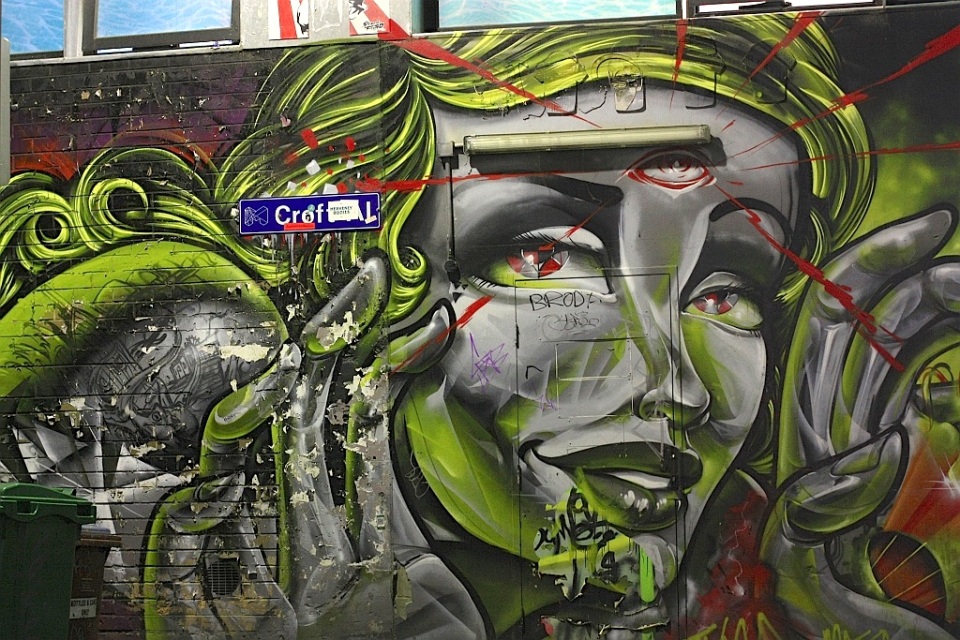
At the end is a sign, indicating that there’s something here: a place to have a drink, or to come face-to-face with an ugly demise.

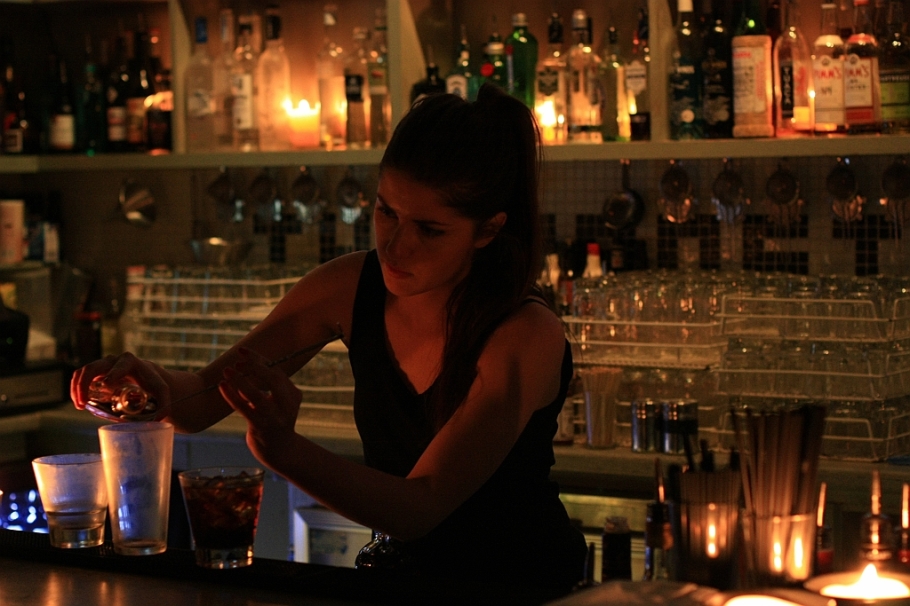
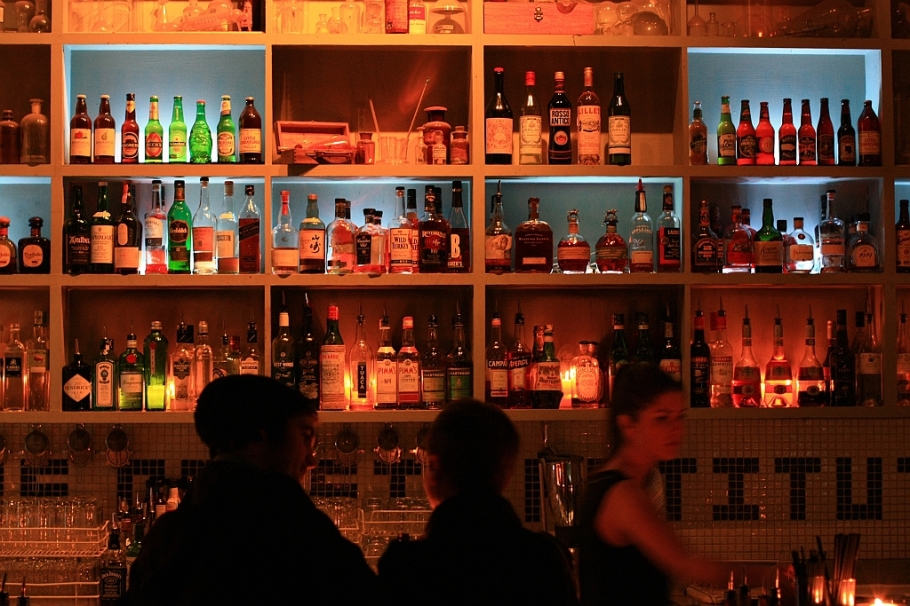
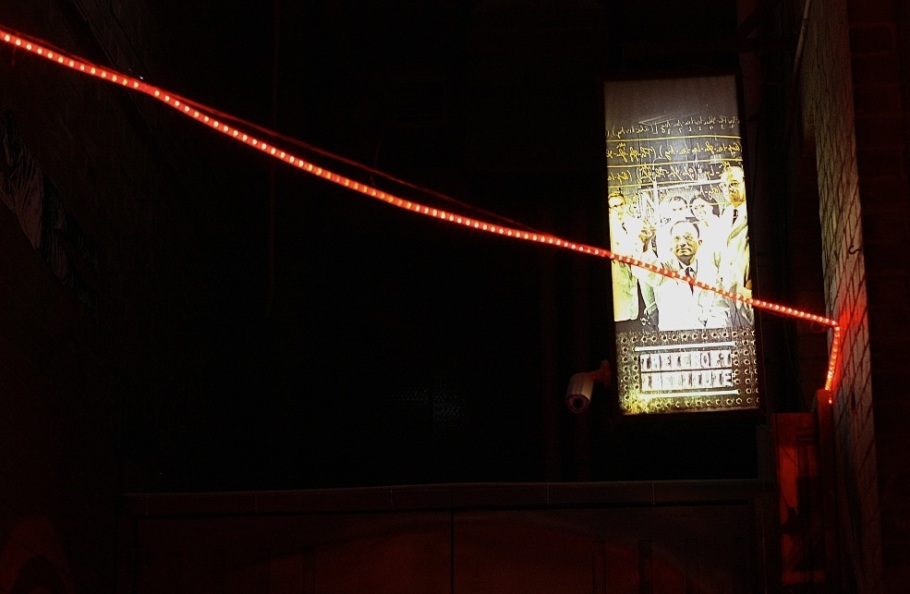
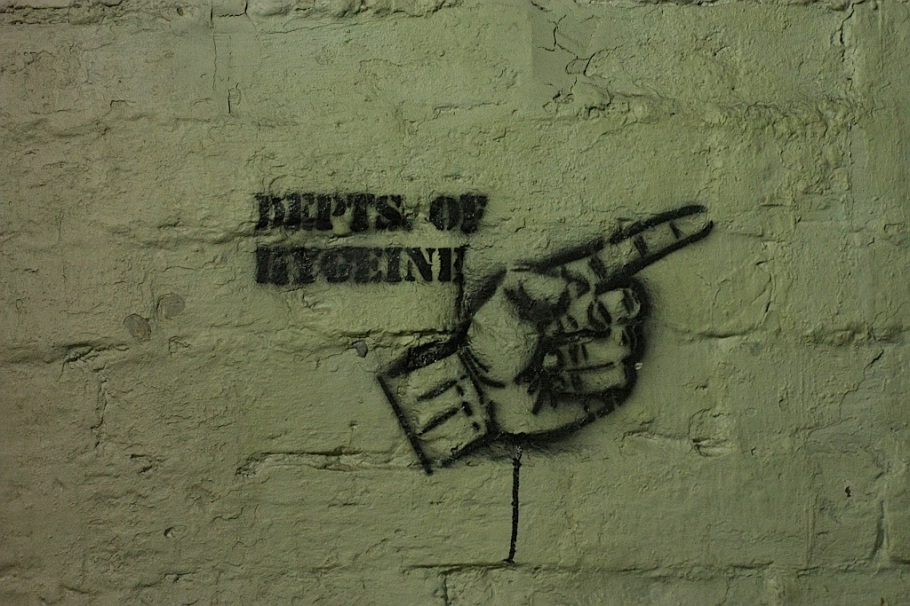
There are flasks, beakers, and tubing; old chemistry lab benches like high-school of old. And that’s where we’re going to prop ourselves after we fetch our drinks!

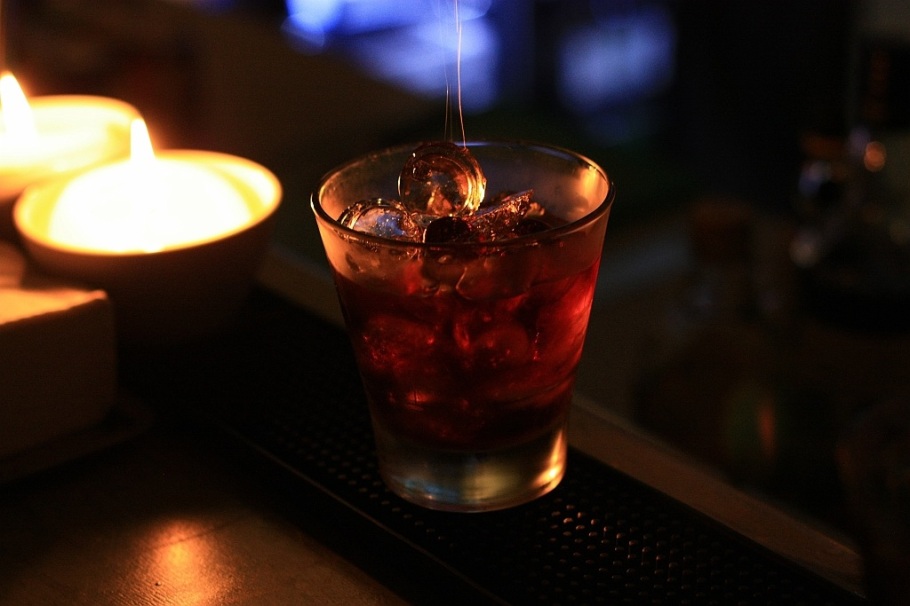
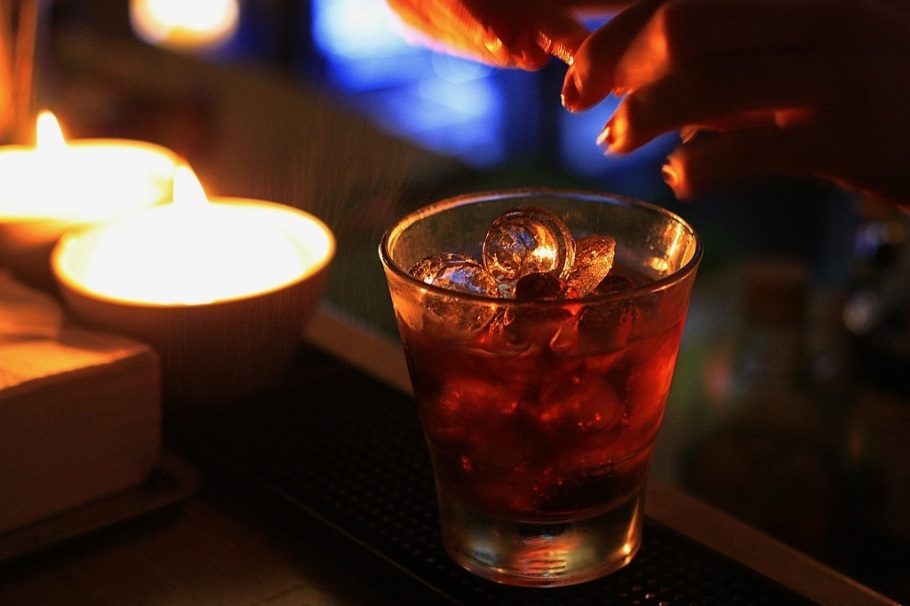
While the Croft Institute might appear like a Dr. Evil science-lab gone mad, in truth the only dangerous thing here are the beautifully delicious drinks.
The Croft Institute, Melbourne, VIC, Australia

The Croft Institute, Melbourne, VIC, Australia

The Croft Institute, Melbourne, VIC, Australia

The Croft Institute, Melbourne, VIC, Australia

The Croft Institute, Melbourne, VIC, Australia

The Croft Institute, Melbourne, VIC, Australia

The Croft Institute, Melbourne, VIC, Australia

Located at the end of Croft Alley just off Little Bourke Street in Melbourne’s Chinatown, The Croft Institute closed for good during the 2020-2022 Covid19 pandemic.

Disclosure: No Connection, Unpaid, My Own Opinions. I have not received any compensation for writing this content and I have no material connection to The Croft Institute. Thanks to BR who kindly led me to some of her favourite bars in Melbourne’s CBD. I made the photos on 27 August 2012. This post appears on Fotoeins Fotografie at fotoeins DOT com as http://wp.me/p1BIdT-2Vf.