Fotoeins Fotografie

location bifurcation, place vs. home

Posts from the ‘Urban Photography’ category

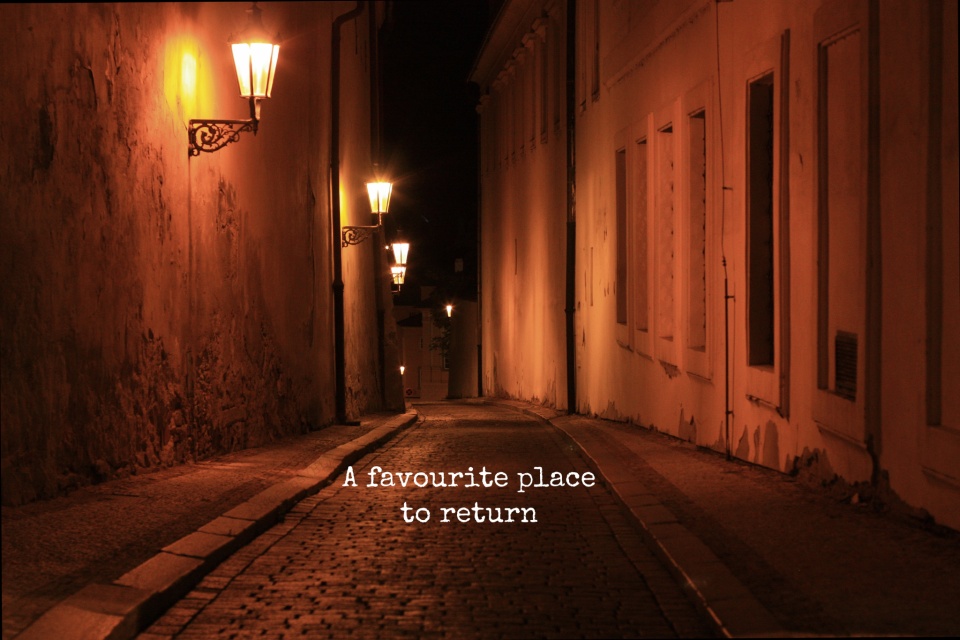
U Kasaren, Hradcany, Prag, Prague, Praha, Czech Republic, fotoeins.com

My Prague: a favourite place to return

Above/featured: U Kasáren from Loretánská, HradÄŤany – 30 July 2016 (HL).

On a personal level, the impact of this city can’t be gauged, measured, or quantified. What I know is I’ve roamed this place over countless little cobblestones. The sum of all strides led me to jumping continents and traversing nations with steps as large as my imagination could entertain and overcome.

And so, after the twelfth, fifteenth, or twentieth visit (I’ve lost count), I look at these images and ask why I surrender to the pull, why I return, and why the Czech capital city feels familiar. It’s about the old and the new, a colourful combination replacing what I’ve lost and amplifying what I’ve gained.

Prague is one of my favourite places to return.
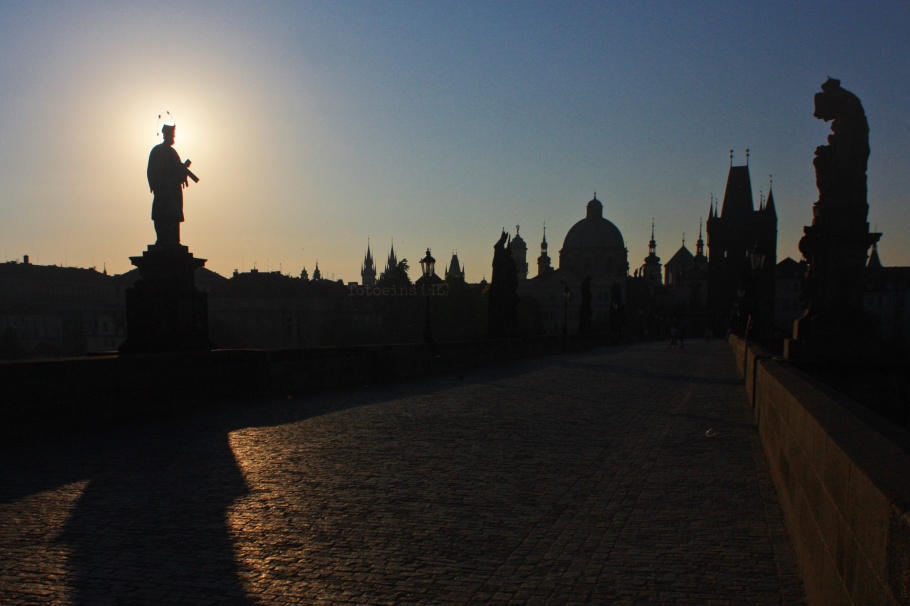
summer sunrise, sunrise, summer, Karluv most, Charles Bridge, Prag, Prague, Praha, Czech Republic, fotoeins.com

Daybreak and a halo for St. John of Nepomuk, Charles Bridge (KarlĹŻv most) – 28 July 2013 (HL).

National Monument, VĂ­tkov, Zizkov, Prag, Prague, Praha, Czech Republic, fotoeins.com

Over the city to the west from the National Monument on VĂ­tkov (NárodnĂ­ památnĂ­k na VĂ­tkovÄ›), Ĺ˝iĹľkov – 2 August 2013 (HL).

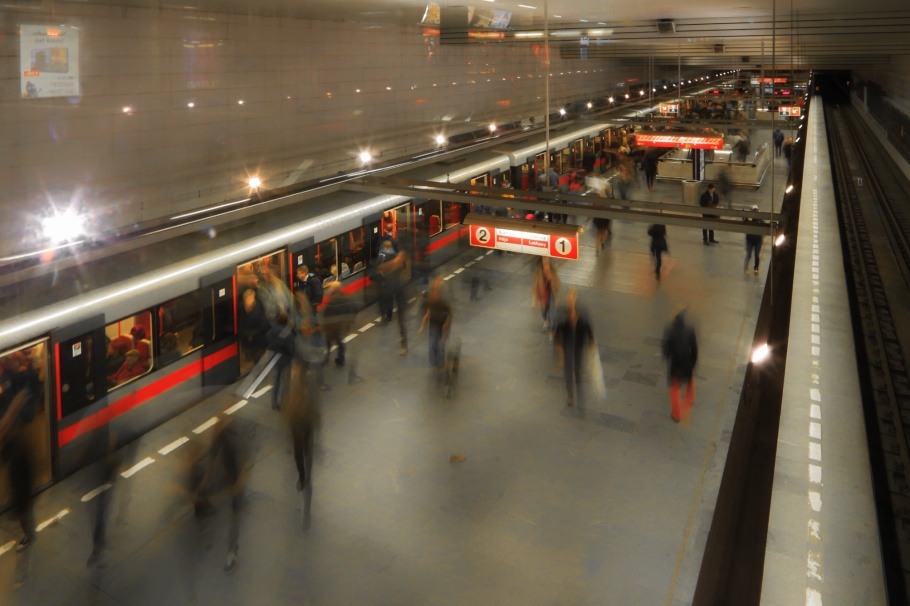
Muzeum, stanice metra, metro station, DPP, Prag, Prague, Praha, Czech Republic, fotoeins.com

Metro line C commuters at Muzeum station – 8 November 2016 (HL)

Ginger and Fred, Fred and Ginger, Dancing House, TanÄŤĂ­cĂ­ dĹŻm, Prag, Prague, Praha, Czech Republic, fotoeins.com

Dancing House (TanÄŤĂ­cĂ­ dĹŻm) with streaking northbound streetcar, NovĂ© MÄ›sto – 6 November 2016 (HL)

I wrote a “love letter” to Prague, which as many have discovered also includes “the night watch.”

I made all of the above images in 2013 and 2016. This post appears on Fotoeins Fotografie at fotoeins.com as https://wp.me/p1BIdT-bCs.

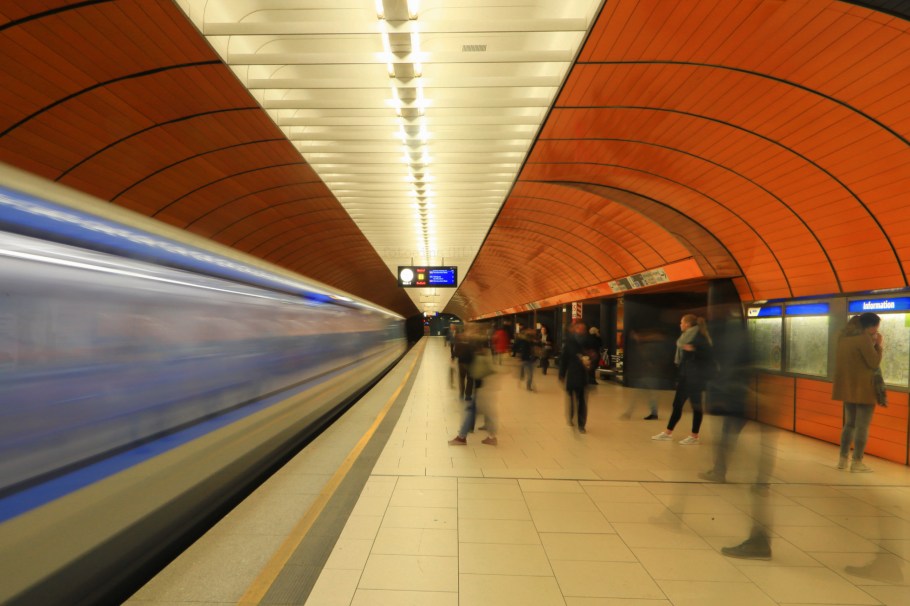
Marienplatz, MVG MĂĽnchen, U-Bahn, MĂĽnchen, Munich, Germany, fotoeins.com

From the World Outside & Into Munich’s Metro

Above/featured: U-Bahnhof Marienplatz.

After dozens of visits since 2002 to Germany’s Munich, I’ve become familiar with the city’s transport network. For the city’s residents, the day-to-day work commute from the upside and into below can merge into a monotonous grind. The following images within five U-Bahn or metro sitations might challenge that notion with ghost-like and otherworldly appearances.


Georg-Brauchle-Ring

Georg-Brauchle-Ring, MVG MĂĽnchen, U-Bahn, MĂĽnchen, Munich, Germany, fotoeins.com

7am morning commute (IG)


Hauptbahnhof

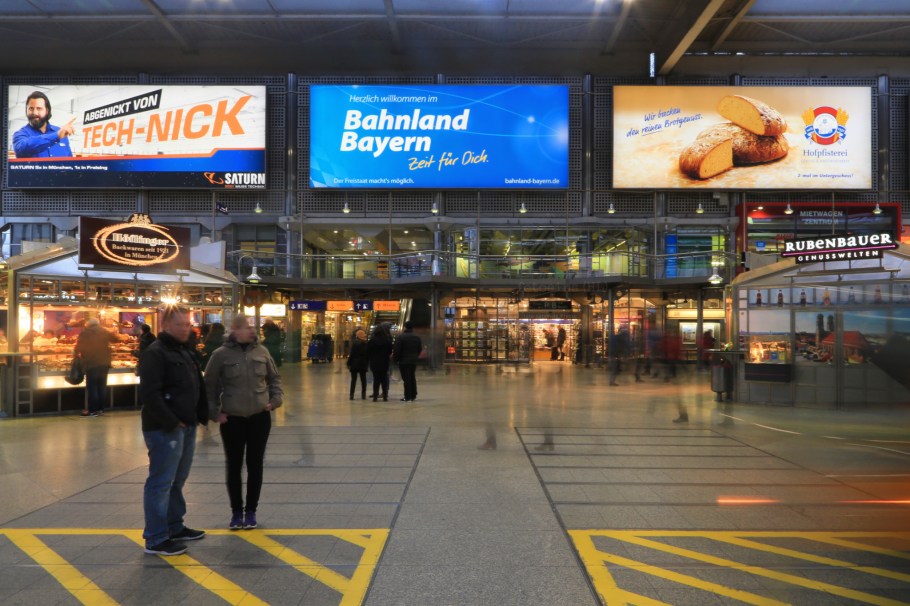
Hauptbahnhof, MVG MĂĽnchen, U-Bahn, MĂĽnchen, Munich, Germany, fotoeins.com

Bahnland Bayern (IG)


Lehel

Lehel, MVG MĂĽnchen, U-Bahn, MĂĽnchen, Munich, Germany, fotoeins.com

One foot in front of the other … (IG)


Marienplatz

Marienplatz, MVG MĂĽnchen, U-Bahn, MĂĽnchen, Munich, Germany, fotoeins.com

U6, nach/to Klinikum Grosshadern (IG1, IG2)


Westfriedhof

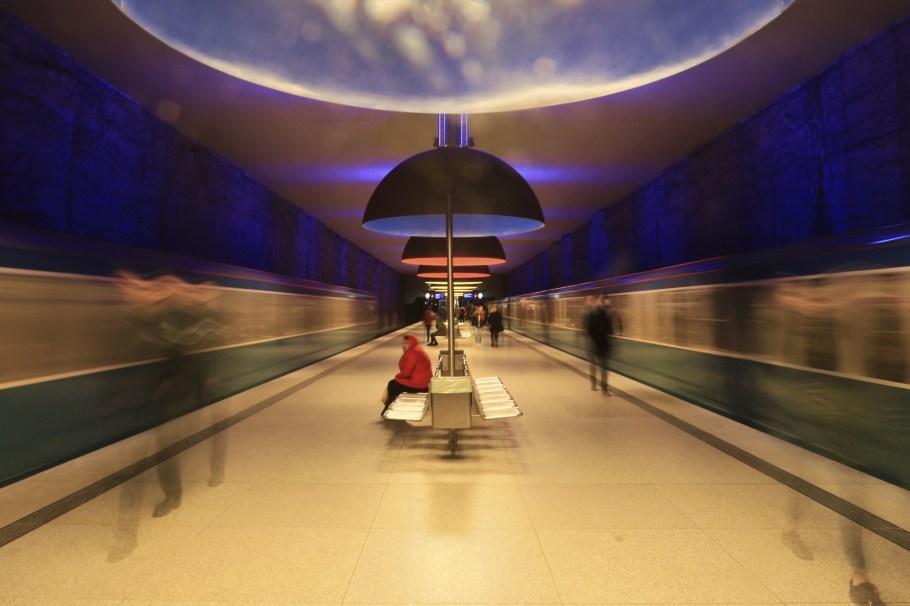
Westfriedhof, MVG MĂĽnchen, U-Bahn, MĂĽnchen, Munich, Germany, fotoeins.com

Comings and goings (IG)


I made all pictures above between 22 and 24 February 2017 inclusive. Alle Fotoaufnahmen sind mit Wasserzeichen versehen worden. This post appears on Fotoeins Fotografie at fotoeins.com as https://wp.me/p1BIdT-buj.

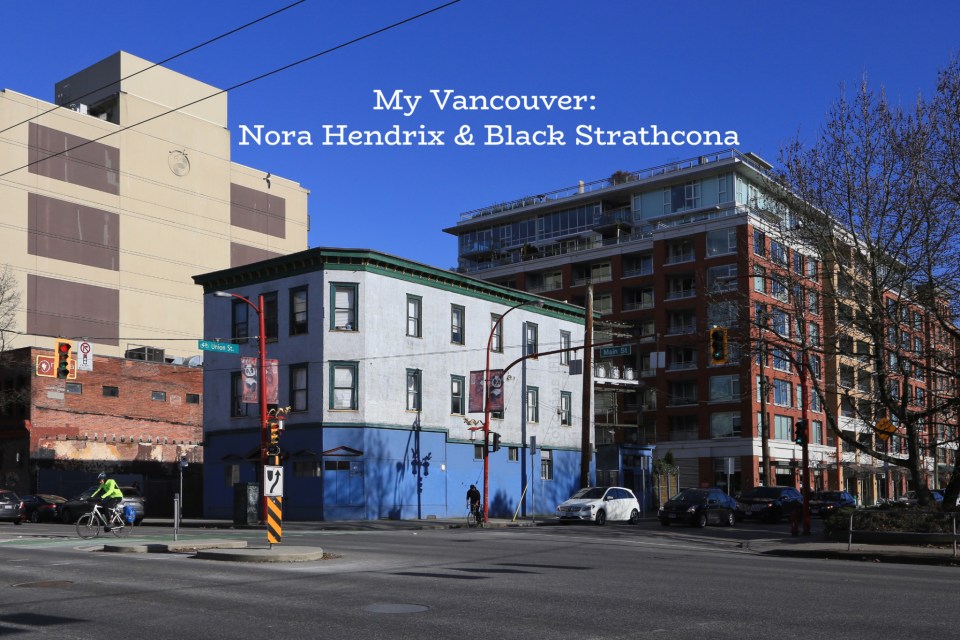
Black Strathcona, Strathcona, Black History Month, East Vancouver, Vancouver, British Columbia, Canada, fotoeins.com

Vancouver: Jimi Hendrix’s grandma and Black Strathcona

Above/featured: Hogan’s Alley: Main Streeet at Union Street.

When a wae lad was I, I viewed Vancouver’s Strathcona neighbourhood through the various lenses of my parents, the people on our block, and the surrounding community. That is, I viewed the area as primarily Chinese, in school and on the streets.

As an important teacher, history can often be painful. But an important and unspoken responsibility as city resident and national citizen is recognition and acknowledgement of these past lessons. I learned years later about the destruction of the African-Canadian community with the construction of the Viaduct, which not coincidentally almost eliminated Chinatown. The Viaduct is a remnant of the planned 1960s highway project in the city of Vancouver, but final removal of the viaduct is coming in the next few years.

February as Black History Month has been officially recognized in Canada since 1995. To honour the rich history by African Canadians in the province, British Columbia has also officially recognized Black History Month.


( Click here for images and more )

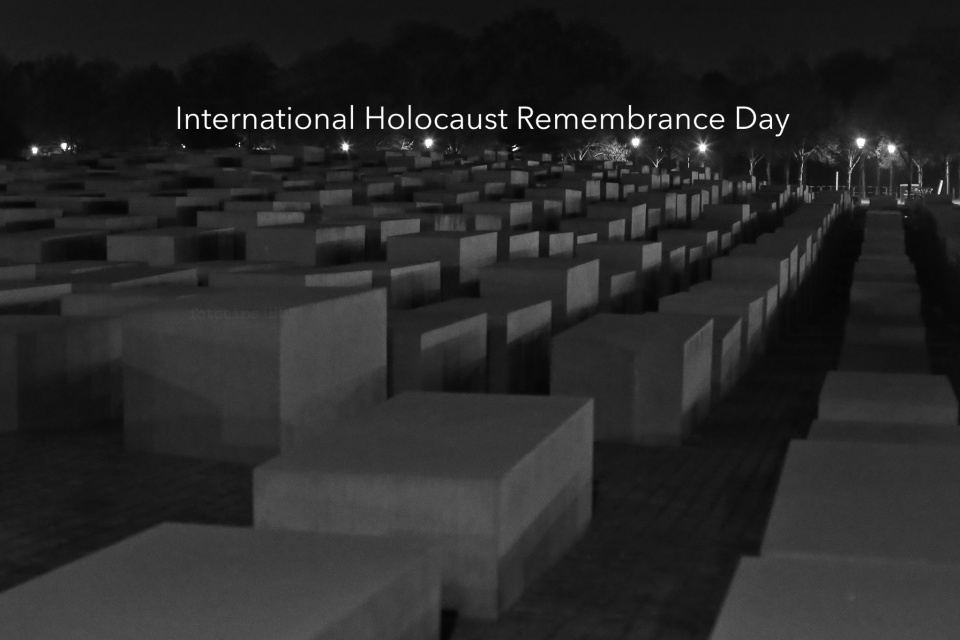
IHolocaustdenkmal, Berlin, Germany, fotoeins.com

International Holocaust Remembrance Day: observations from Germany

Primo Levi, Italian-Jewish author, chemist, and Auschwitz survivor, delivered a set of essays about life and survival in Nazi extermination camps in his 1986 book “The Drowned and the Saved”. Levi wrote:

… For us to speak with the young becomes even more difficult. We see it as a duty and, at the same time, as a risk: the risk of appearing anachronistic, of not being listened to. We must be listened to: above and beyond our personal experiences, we have collectively witnessed a fundamental, unexpected event, fundamental precisely because unexpected, not foreseen by anyone. It took place in the teeth of all forecasts; it happened in Europe; incredibly, it happened that an entire civilized people, just issued from the fervid cultural flowering of Weimar, followed a buffoon whose figure today inspires laughter, and yet Adolf Hitler was obeyed and his praises were sung right up to the catastrophe. It happened, therefore it can happen again: this is the core of what we have to say.

On 27 January 1945, Soviet Red Army troops liberated the Nazi concentration and extermination camp at Auschwitz-Birkenau in south-central Poland. Over 1 million men, women, and children were murdered.

The United Nations declared January 27 as International Holocaust Remembrance Day; the designation came during the 42nd plenary session of the United Stations when resolution 60/7 was passed on 1 November 2005.

Accepting and openly stating responsibility are critical first steps, but spending time, money, and effort to ensure the simple motto of “never again” is also an ongoing reality that isn’t solely up to the citizens of Germany. It’s a collective responsibility that we all should have to remain vigilant; that we all have to recognize and bolster actions which encourage and strengthen the universality of human rights, and reject the erosion and withdrawal of those rights.

I believe responsible tourism also includes paying appropriate respect at a memorial, especially the Holocaust Memorial in Berlin. It’s my view this important memorial is not (supposed to be) a playground.

And yet, there’s something to be said about what it means to have freedom in the early 21st-century, allowing people to laugh and frolic in the public space, an undulating sculpture of featureless massive grey cement blocks, a testimonial to the systematic murder of millions of people.

Naturally, you have the freedom to play here, take selfies, and have a grand time. But it doesn’t mean I’m gonna laugh with you; for example: Yolocaust art project (DW 2017).


( Click here for more )

Göttingen: a circle of Nobel Prize winning scientists

What: Circular feature celebrating Nobel Prize winners, all of whom worked at the city’s university.
Where: Stadtfriedhof (city cemetery) in Göttingen.

Göttingen is a university town in central Germany. Not only will I find a memorial to Nobel Prizes, I’m here also to acknowledge my academic training. I spent many years studying physics and astronomy, and while I’m no longer active in science research, I enjoy the search and discovery of the final resting spots for scientists whose work formed a significant part of my education. Visiting their graves provides direct historical connection to “academic predecessors”; to go beyond the abstraction of simply learning their names and contributions to science, the gravestones belong to real people with keen minds, family lives, and all too human imperfections.

45 Nobel Prize laureates have been or are connected with the Georg-August-Universität Göttingen as of posting (2018). That’s a phenomenal number, as this single institution accounts for 8 per cent of all Nobel Prizes (585 as of 2017).


( Click here for images and more )