Fotoeins Fotografie

location bifurcation, place vs. home

Posts from the ‘Germany’ category

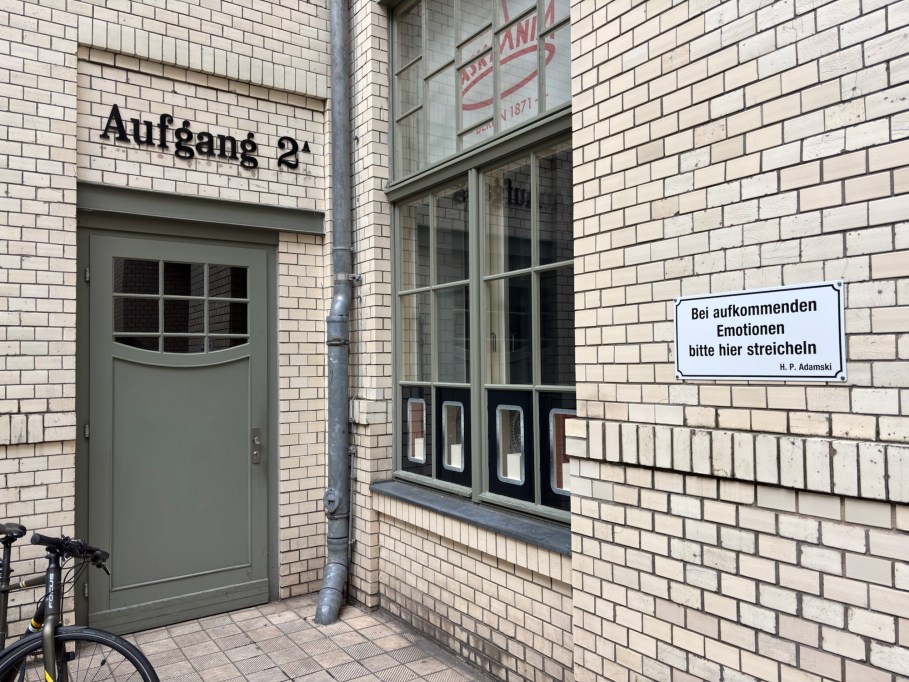
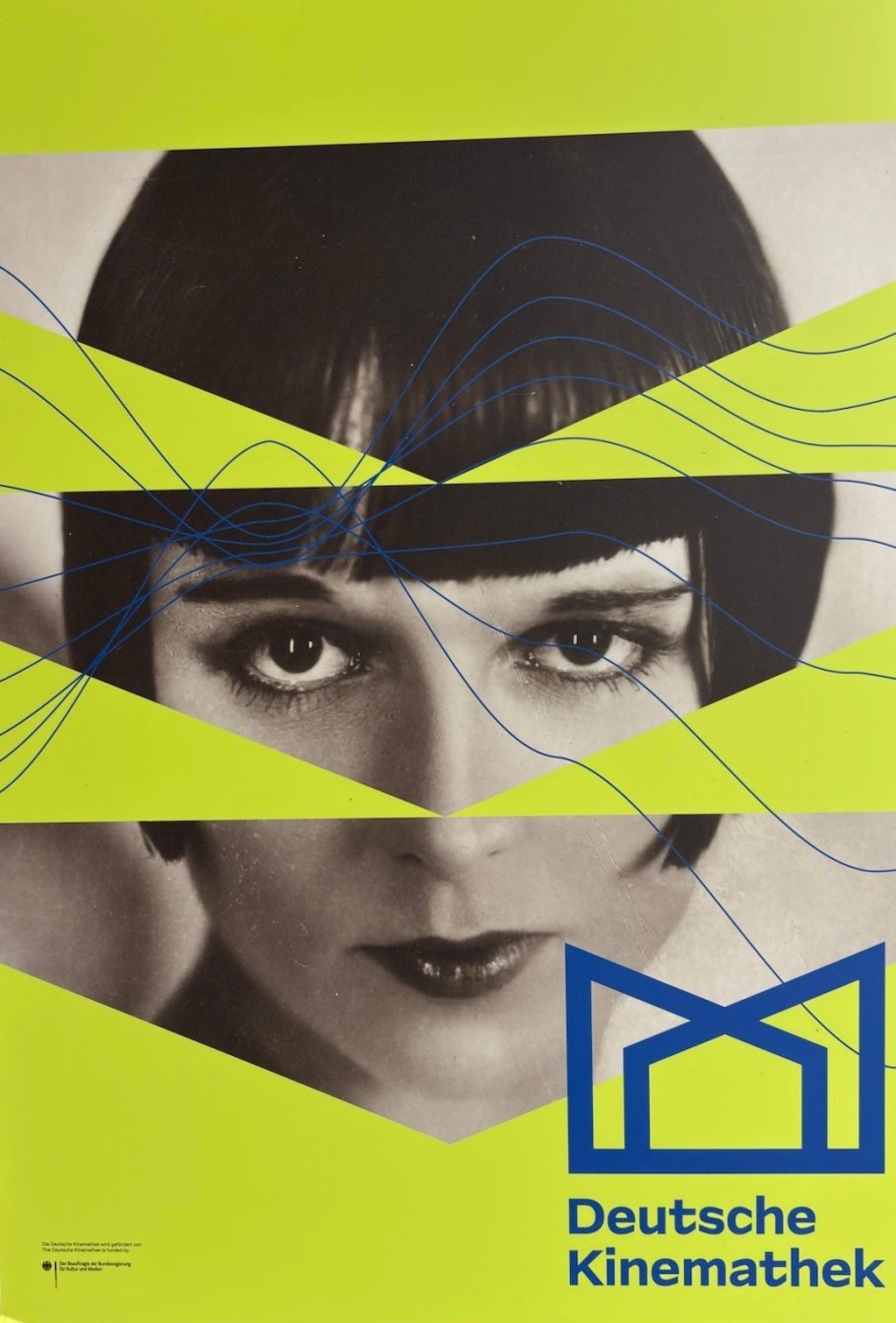
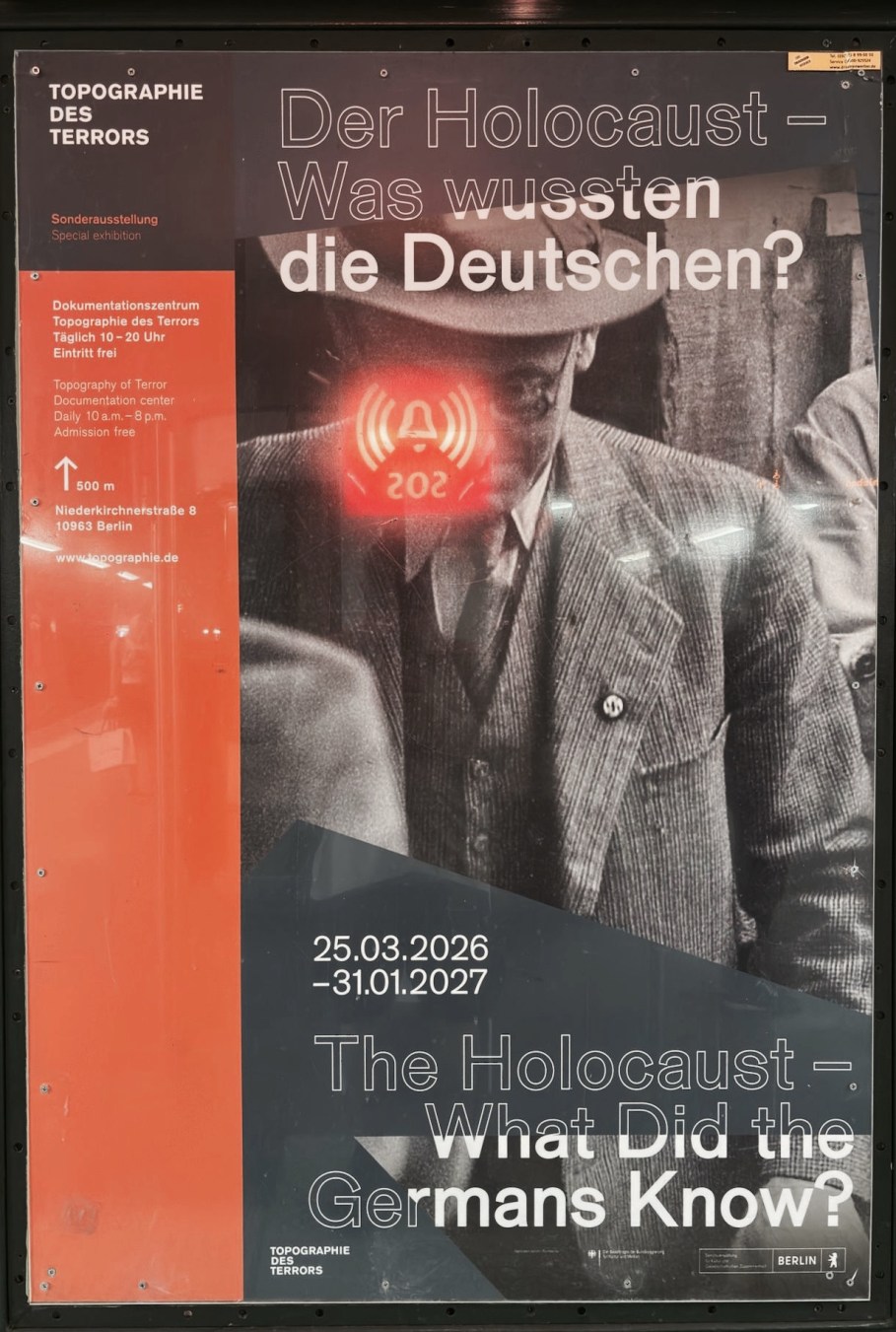
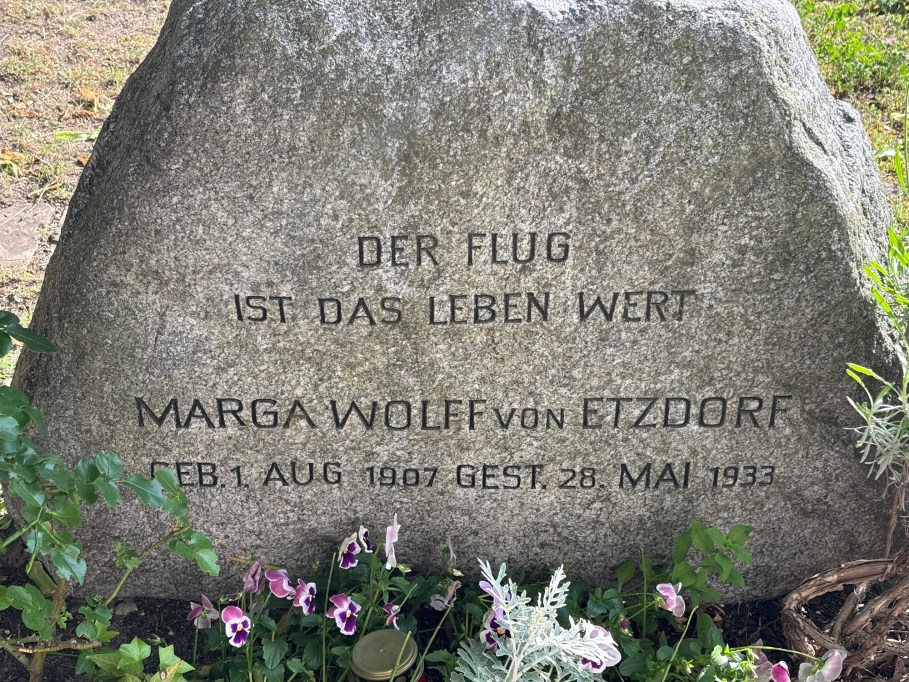
Week 1 – no comment

Erste Woche – ohne Kommentar


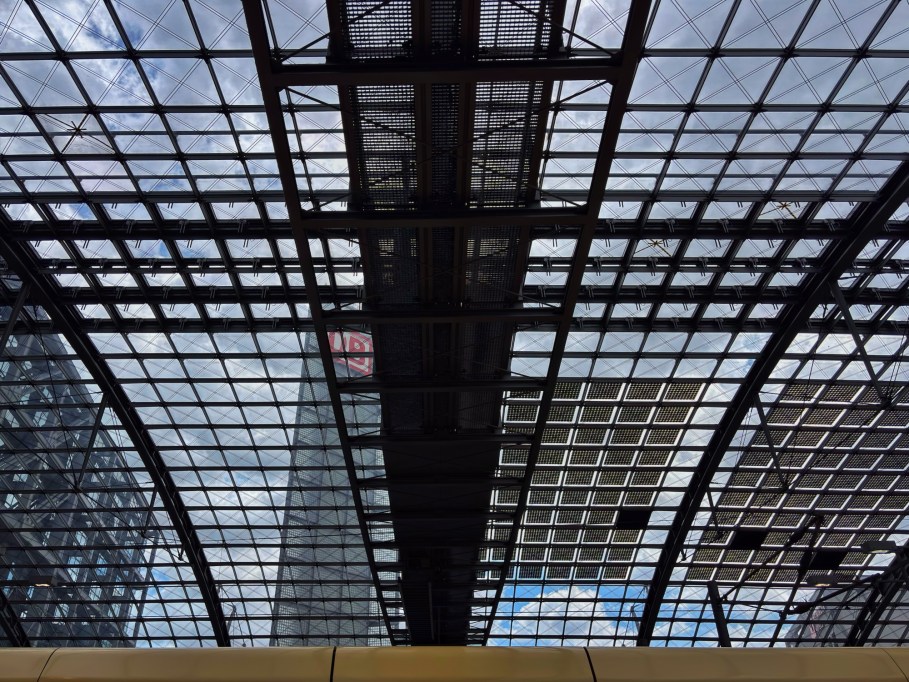
Frankfurt am Main – 8 May 2026.
Bauhaus University Library, Weimar – 9 May 2026.
42-seconds in Park an der Ilm, Weimar – 10 May 2026.
Bauhaus University, Weimar – 11 May 2026.
Naumburg an der Saale – 12 May 2026.
Duchess Anna Amalia Library, Weimar – 13 May 2026.
“KulturBahnhof Weimar” – 14 May 2026.
“This is not a castle.” Potsdam – 15 May 2026.

Astronomer Johannes Kepler: birth town Weil der Stadt

Above/featured: Johannes Kepler memorial at Marktplatz in Weil der Stadt. Photo, 21 Jul 2024 (P15).

I first heard the name “Kepler” way back in high school. I had no idea “Kepler” would embody a winding trail of education, knowledge, a “first life” (career), and a deep lifelong appreciation of science. Thankfully, what’s transformed has been a “second life” opened to another world with more questions, some of which have led to unexpected places. Perhaps, the cost is a solitary quest for answers, but ultimately, my motivation has always been clear: it’s because I need to know.

In the same way Kepler, like many others before and after, looked up at night and asked a simple question: “why do stars and planets appear and move as they do in the sky?”

To the here and now, my questions begin and land on our own planet.

For example, where was Kepler born? Where is this place? Are there any traces in those spaces?

But first, who was Kepler?


( Click here for images and more )

Berlin’s Hamburger Bhf: no trains, only transition

Above: Appearing in Raleway font is my added line: This is not a train station.

There is no meat or bread here.

There are also no trains here. No longer.

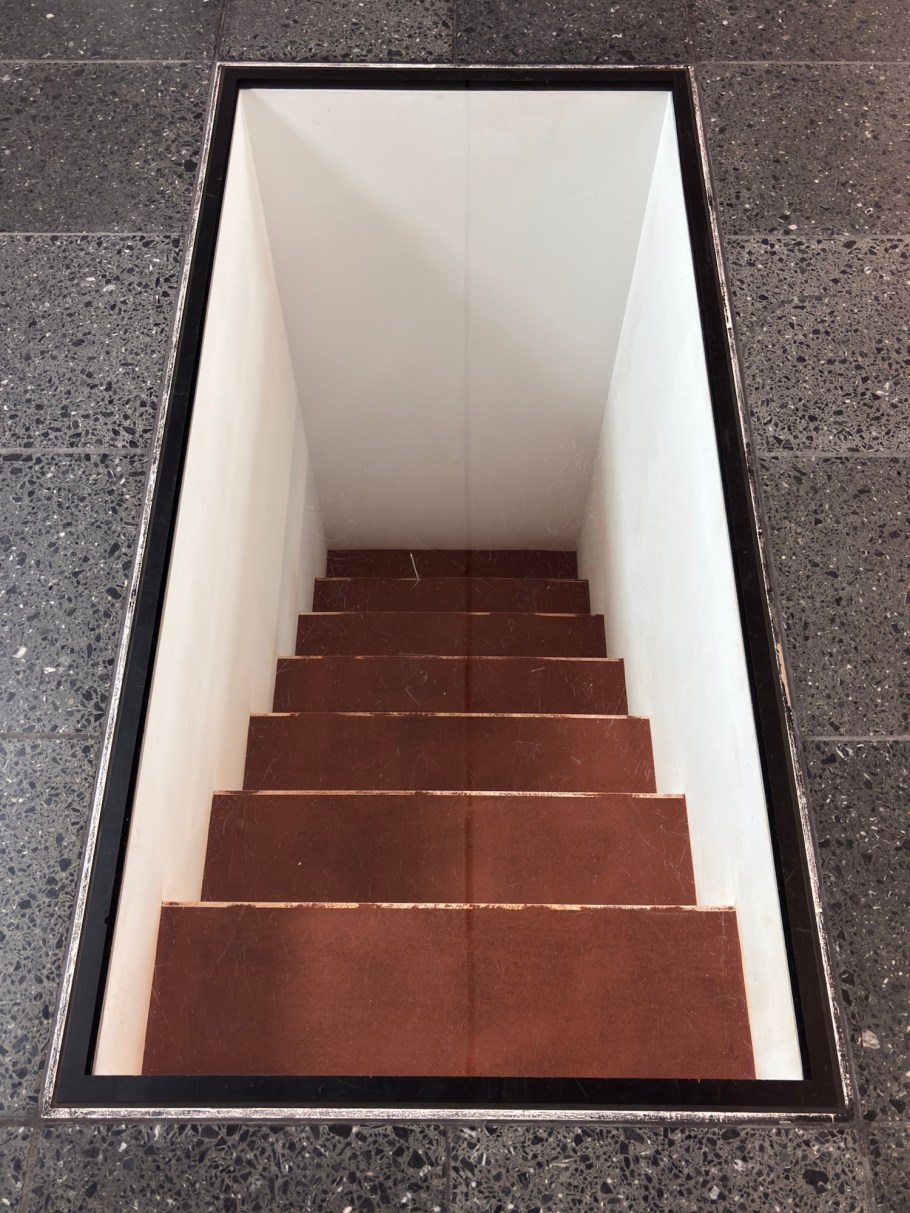
There is only art, and in this instance, there is a contemporary art piece that’s a historical nod.

The artwork “Transition” (2009–present) by Polish artist Robert Kuśmirowski is housed in the Hamburger Bahnhof – Nationalgalerie der Gegenwart, a museum of late-20th and 21st-century art in the German capital city of Berlin. Kuśmirowski’s piece refers to the building’s past and its present. “Transition” is a part of the ensemble “Unendliche Ausstellung” (Eternal Exhibition”) on permanent display throughout the Hamburger Bahnhof gallery-museum.

( Click here for images and more )

My Berlin: The Parliament of Trees

Above: “Parlament der Bäume gegen Krieg und Gewalt.”

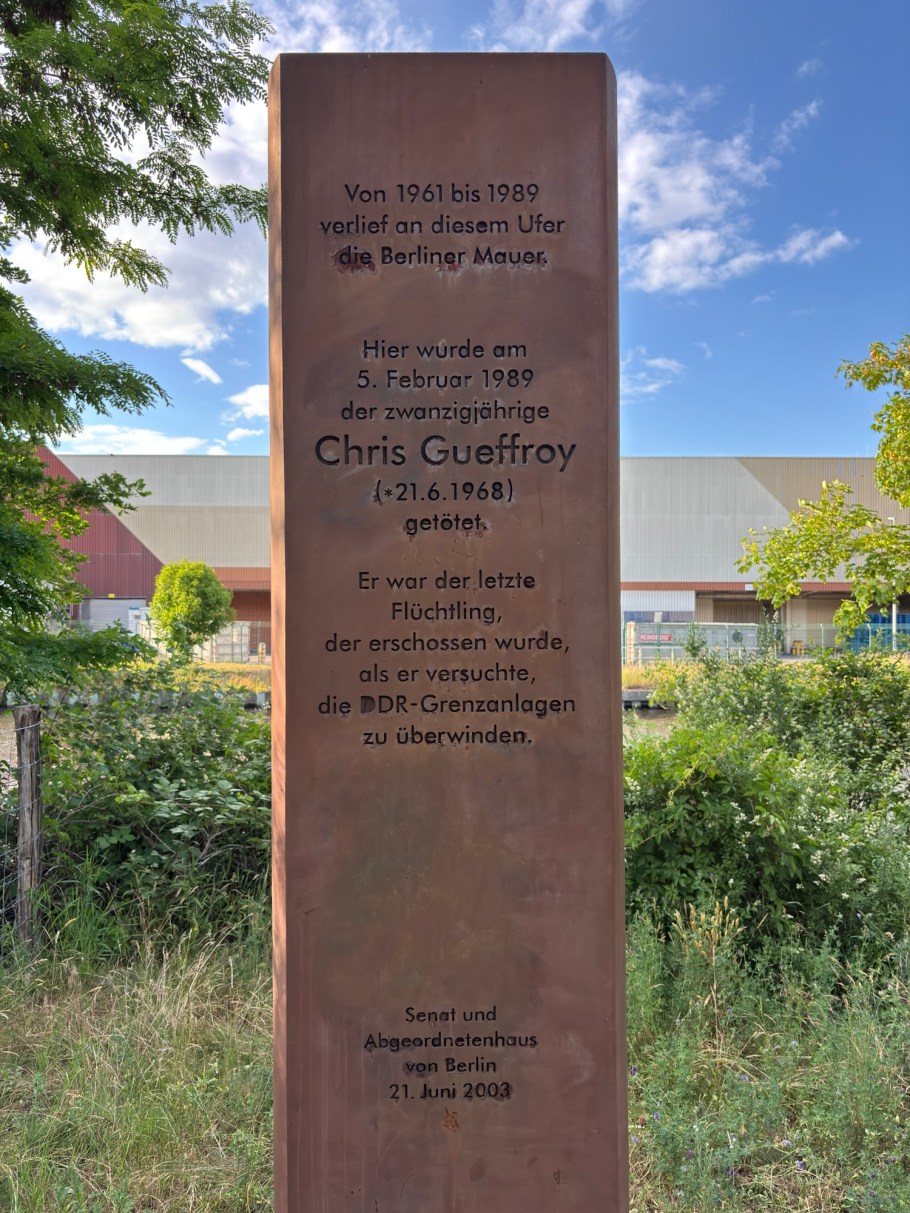
In Berlin’s government district is a patch of ground – a garden, really, with tall trees and a place that’s easy to overlook. The official name is “Parlament der Bäume gegen Krieg und Gewalt” (Parliament of Trees Against War and Violence), begun by artist Ben Wagin in 1990.

Wagin (1930–2021) began planting trees on land where the former Berlin Wall used to run near the historic Reichstag government building, as authorities began dismantling the physical wall. What remains of Wagin’s experiment is a piece of ground that acts as both memorial to what the Wall represented and fractured, and an aspiration for both modern Germany and Europe.

Of the many trees in this space, 16 of them represent the 16 modern federal states of Germany. There are also slabs of granite on which are engraved the names of the victims of the Wall. The “back” wall is painted with murals and messages, and in between are little paths and flower beds. I think Wagin also wants to remind us that in many parts in Berlin and throughout Germany, the former Wall dividing the city and the two former nations, respectively, have been reclaimed by nature.


( Click here for images and more )

Frankfurt am Main: Frank Family Center at the JMF

Above: “It’s a miracle I’m still alive”, Otto Frank. Photo, 17 Jun 2023 (X70).

Familie Frank Zentrum, Jüdisches Museum Frankfurt

Frank Family Centre, Jewish Museum Frankfurt

Frankfurt am Main is a city I’ve visited countless times since 2001, but I hadn’t known until recently that Anne Frank and her sister, Margot, were born in Frankfurt am Main, or that their parents, Otto and Edith, had lived in Frankfurt for almost ten years before moving their family to Amsterdam in early-1934. I’ve put together a list of places and traces the Frank family spent and left in Frankfurt am Main.

Here I cast light on the Frank Family Center (FFC), both memorial and historical record of the European-Jewish Frank family which was added to the permanent collection of the Jewish Museum Frankfurt (JMF) in 2020. Having begun in 2012, the Frank Family Center brings together an extensive collection of material belonging to the Frank-Elias families. The archive includes photographs, official documents, hand-written letters, art, books, household items, and furniture. The items provide a glimpse into the lives of the Frank- and Elias-families across Europe; there’s happy times, catastrophe and loss, and the strength gained in survival. The FFC has been designed for the public to view a part of the archive on permanent display in an open museum setting, as well as for research parties to pursue various avenues of academic inquiry.

Upon entry into the space, the first panel includes the following introductory text which I’ve modified to improve clarity.

The Jewish Museum Frankfurt holds a large number of objects belonging to Anne Frank’s family who had lived in Frankfurt for several generations.

Between 1929 and 1933, the entire family departed Frankfurt am Main and established new lives in Basel, Paris, Amsterdam, and London. In 1942 Amsterdam, Otto and Edith Frank, along with their daughters, Margot and Anne, went into hiding to escape imminent deportation. In August 1944, the secret location was revealed to the authorities, and the family was detained, and deported to Auschwitz. Of the four in the family, only Otto Frank survived, who subsequently devoted the rest of his life to acquainting and educating the world with the diary of his murdered daughter, Anne.

In 1933, Anne’s paternal grandmother Alice Frank sold their home in Frankfurt am Main, and moved to Basel to join her daughter, Leni Elias, and her family. Alice was able to take some of the family belongings with her from Frankfurt to Switzerland, including personal photos and documents. Her moving boxes also contained furniture, porcelain, silverware, and paintings. The family’s heritage as documents of their previous lives in Frankfurt was carefully preserved in Basel.

This room of the Frank Family Center provides an introduction to this family heritage and to the history of the Frank and Elias families.

( Click here for images and more )