Week 2 – no comment
But perhaps a few captions
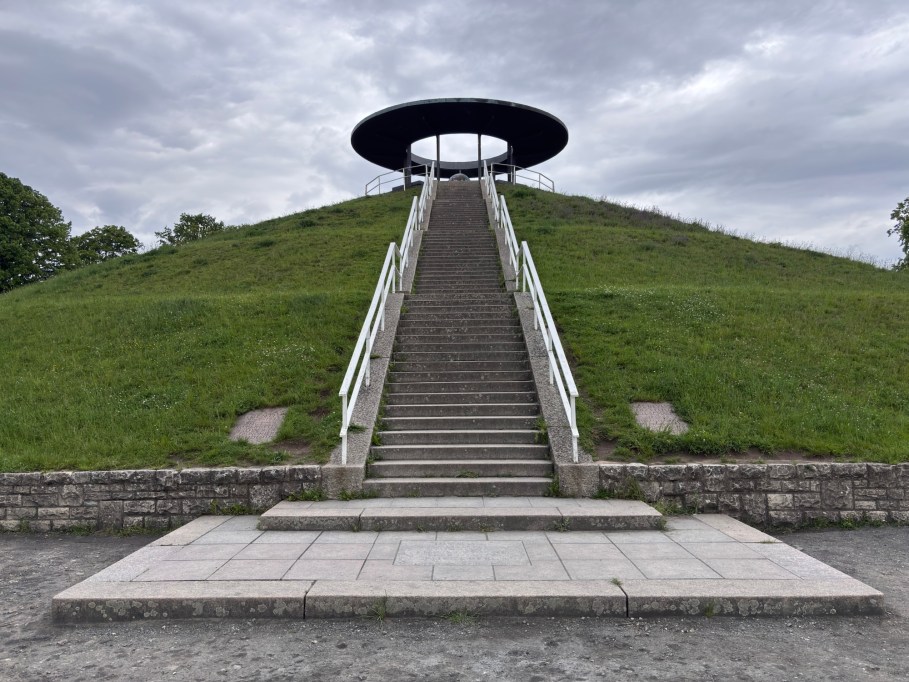
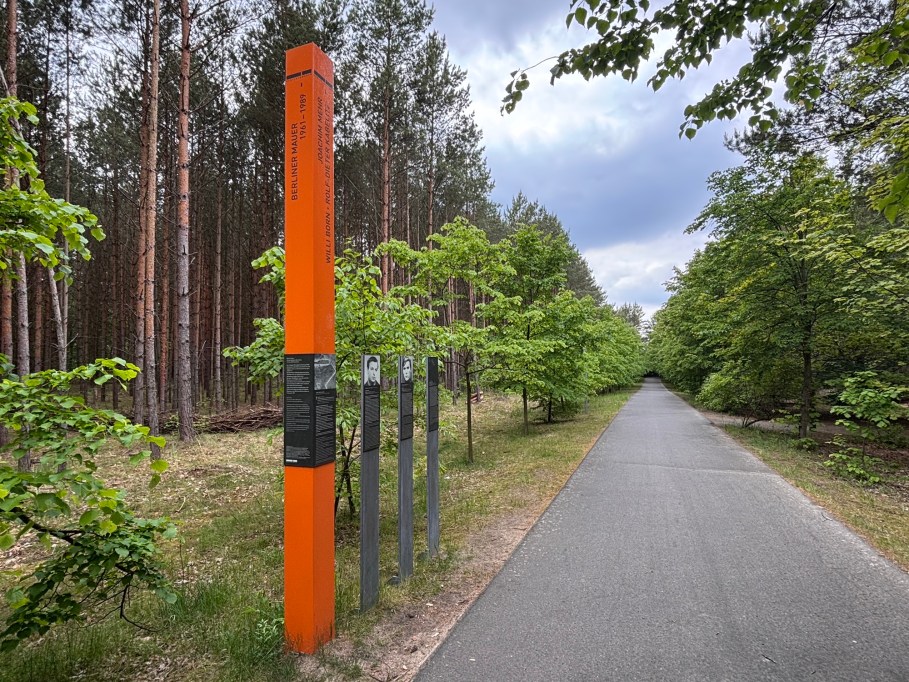
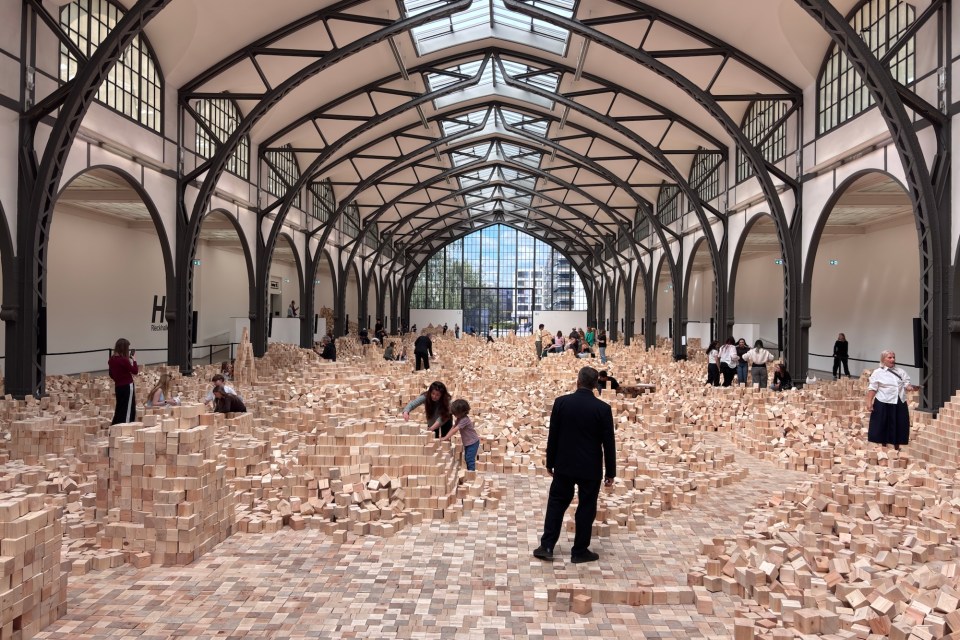
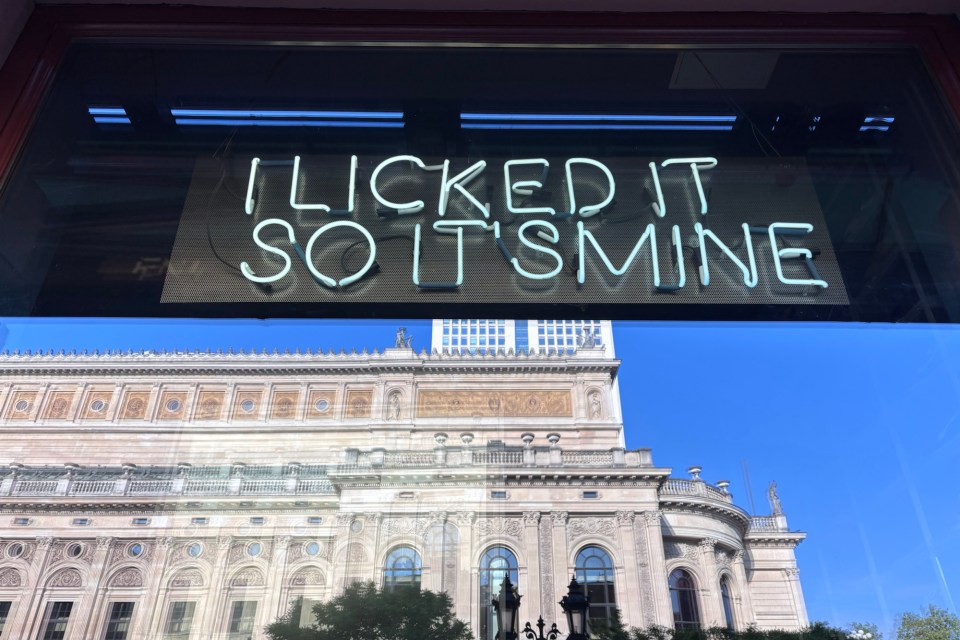
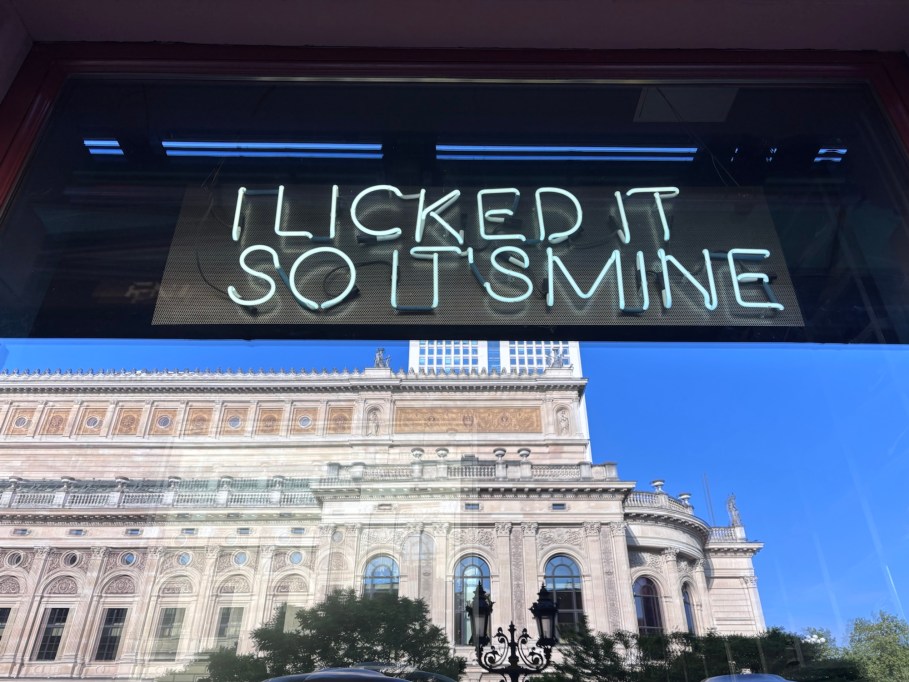
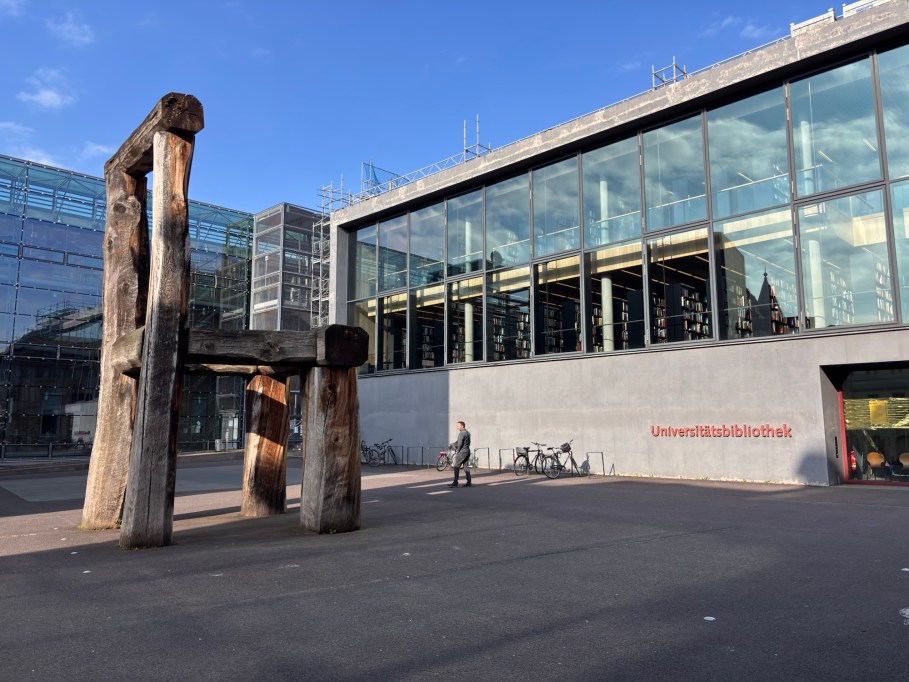
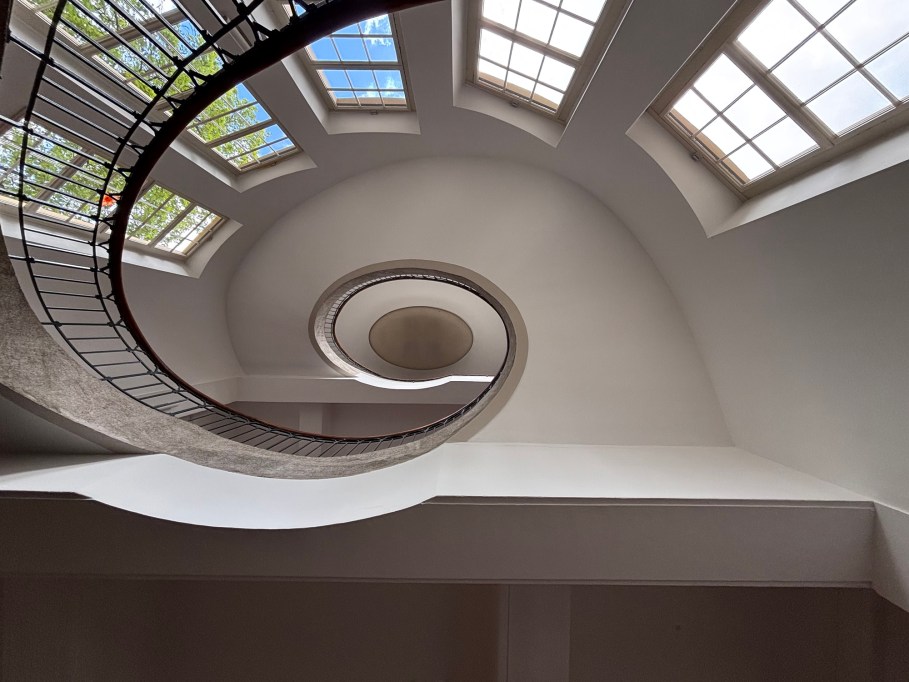
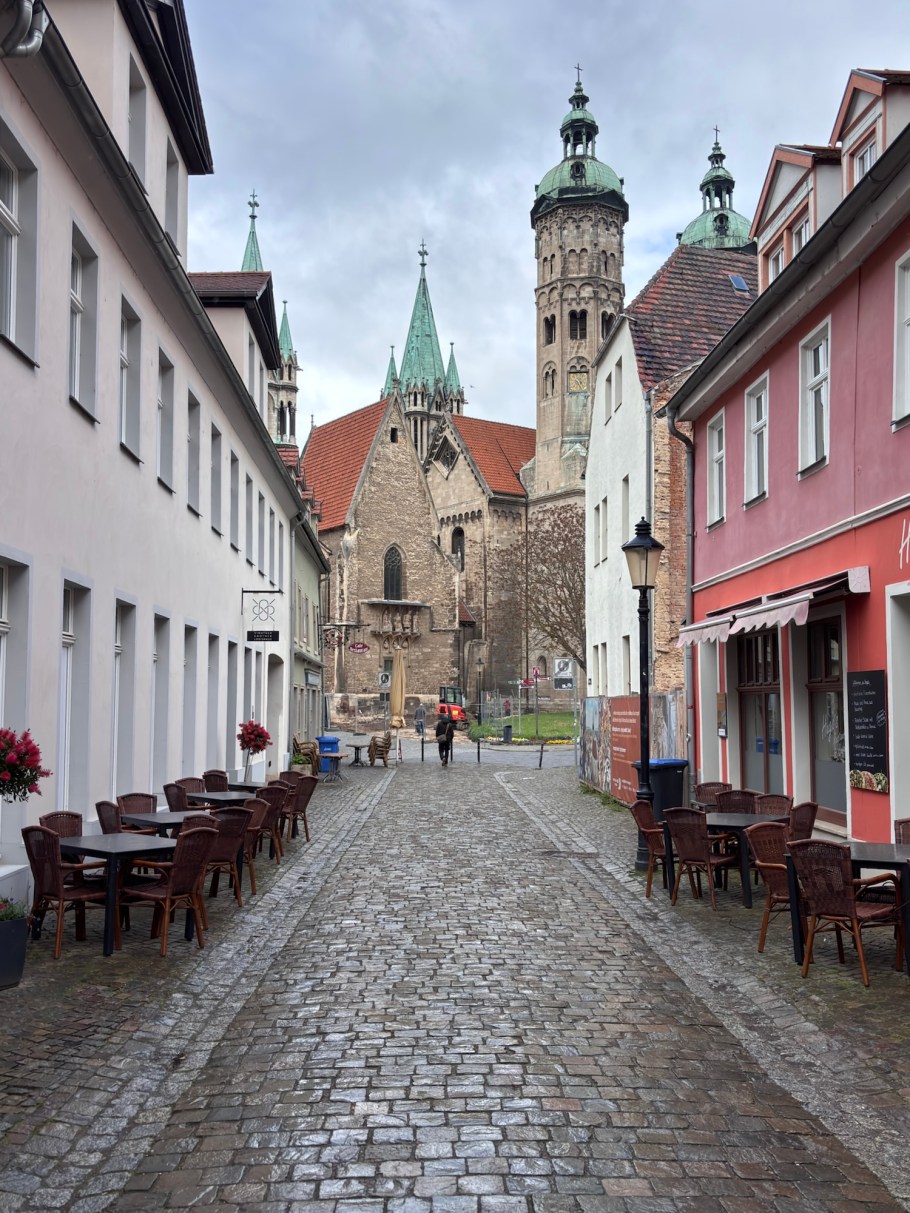
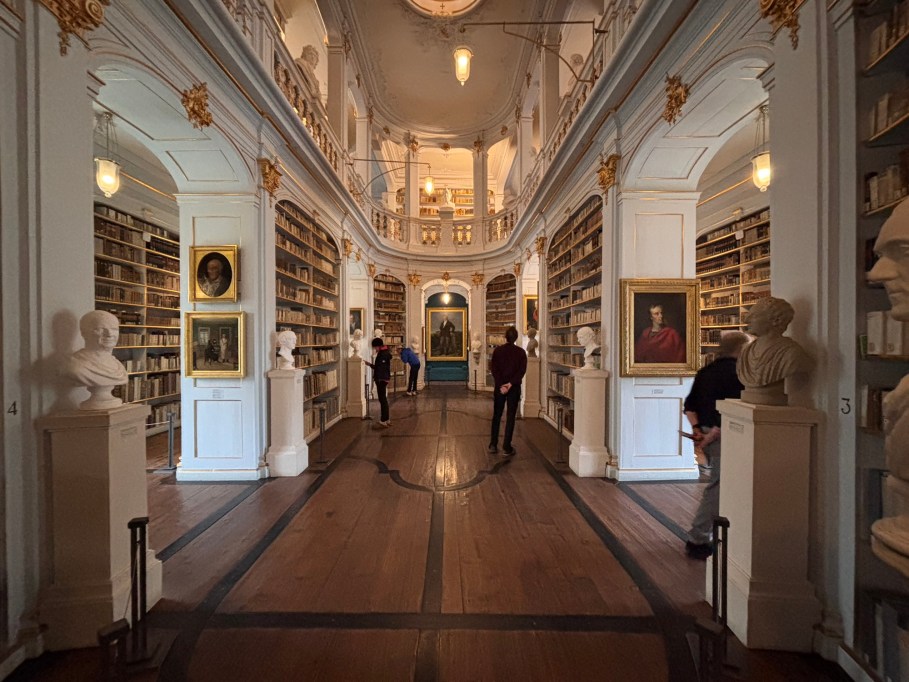
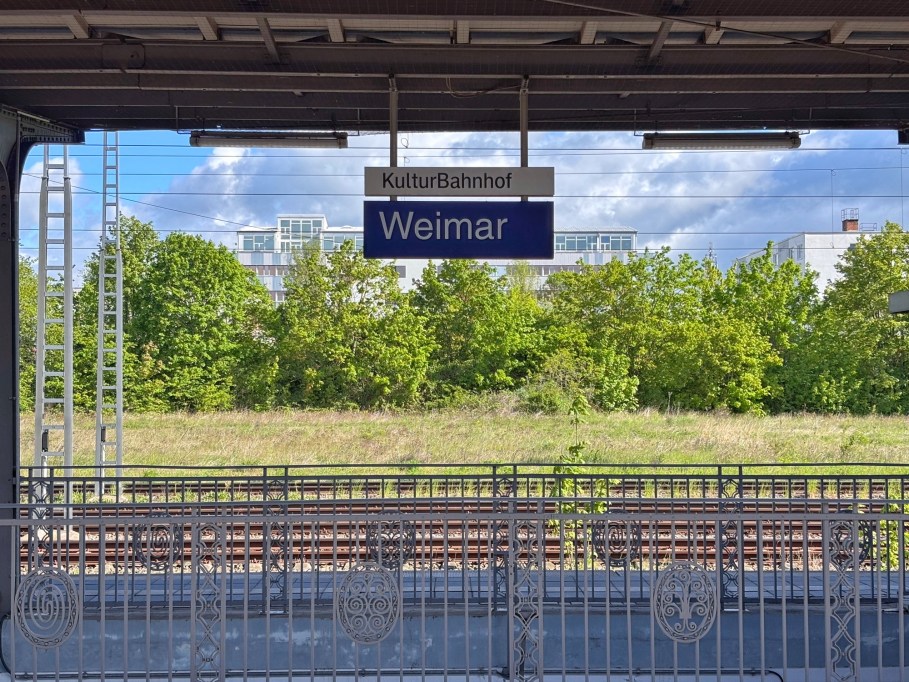
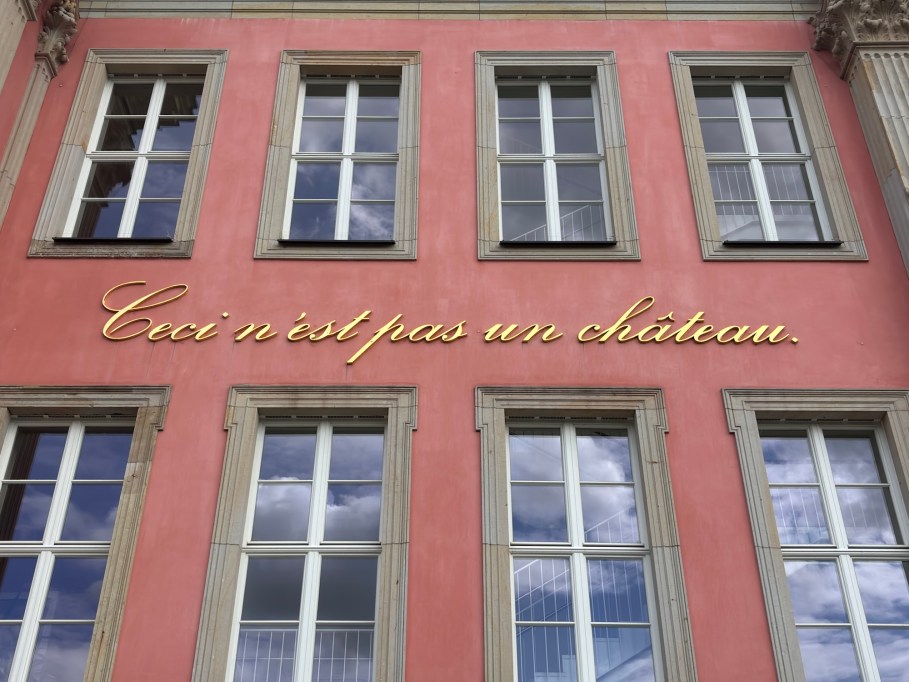
Above/featured: “Light is what we see”, 1994/2019. (A part of Speed of Light/4m with the digits 6-3 appears at the right edge.)
Austrian artist Brigitte Kowanz (1957–2022) held an enduring fascination for light. Light wasn’t simply the medium through which information propagated. Light itself was also a tool and mould for illumination, reflection, and even introspection. There’s something in her light-based artworks which allude not only to her philosophy and worldview, but also to her clear interest for science. Her works also anticipate and explore timely themes, including what it means to live in an information-rich society that fully embraces digital habitats and virtual spaces. There’s a spirit of fun and “lightness” mixed with a serious appreciation for the history of technology with her frequent use of Morse code. To me, Kowanz’s body of work is a wonderful manifestation of the 1964 statement by Canadian philosopher and media theorist Marshall McLuhan: “The medium is the message.”
I arranged my 2025 stay in Vienna to coincide with the final week of the Francesca Woodman exhibition and the beginning of an exhibition on Brigitte Kowanz, both held at the Albertina gallery-museum. Since Kowanz’s passing in 2022, the first major solo exhibition was a retrospective of her work titled “Light is what we see”. The Albertina has fast become a favourite, having seen an exhibition of photographer Gregory Crewdson’s work in the summer of 2024.
For me, landmarks – a series of art works, for example – provide a network of “pins” for exploring and discovering parts of a city. That’s been my approach to Vienna’s 23 districts over the last 4 consecutive summers. Adding to the growing mind-map of memories, I’m restored by the excitement of the chase-and-find, among increasingly familiar surroundings and the frequency of new personal encounters.
Austrian artist Iris Andraschek works with photography, drawings. spatial installations, and video to explore and communicate ideas regarding cultural and societal relationships. Throughout Vienna, a number of Andraschek’s works are “visual interventions”, calling direct attention to the under-representation of women in the city’s public spaces.
Above/featured: Grinzing cemetery, facing southeast. Photo, 26 May 2022.
Opening for its first burial in 1830, the Grinzing Cemetery in Vienna’s 19th district is modest in size, spread over an area of about 4.1 hectares (10 acres) and home to over 5000 graves. I highlight a number of notable people in arts and architecture, including connections with composer Gustav Mahler.
 Fotoeins Fotografie