My Vienna: Austrian artist Julia Bugram
Above/featured: The artist in their workspace in Vienna. Photo, 11 Jul 2025 (X70).
The sculpture provided the introduction in 2022.
Two clasped hands, each as tall as a person. Each hand made with 1-million 1-Eurocent coins.
Seen in 2022, next to St. Stephan’s Cathedral. Seen next in 2023, the sculpture moved near the big fountain at Schwarzenbergplatz. A wonderful crowdfunded project, created by Austrian artist Julia Bugram.
In spring 2025, I receive a kind invitation to visit her studio in Vienna; come July and I’m in the city’s 5th district. I make my way up to the 2nd floor of a renovated pre-war building, and arrive at a cozy working art-space shared between Julia and a second artist. I’m not surprised to find tall ceilings, big windows, a small kitchen, and just enough space and storage for two artists to share and split the rent.
In her practice, Julia explores themes surrounding community and society; and how art can create, enhance, and strengthen connections among people. Her artistic influences include: Hilma af Klimt, Mela Diamant, Renate Bertlmann, Margot Pilz, Jakob Lena Knebl, Martha Jungwirth. We spoke at some length about the economic and cultural challenges facing contemporary Austrian artists in the creation and distribution of their work, as well as the difficulty of commuting between Vienna and her home in Burgenland. I’m looking forward to seeing what she’ll create in the near future.
Links to her website and Instagram.
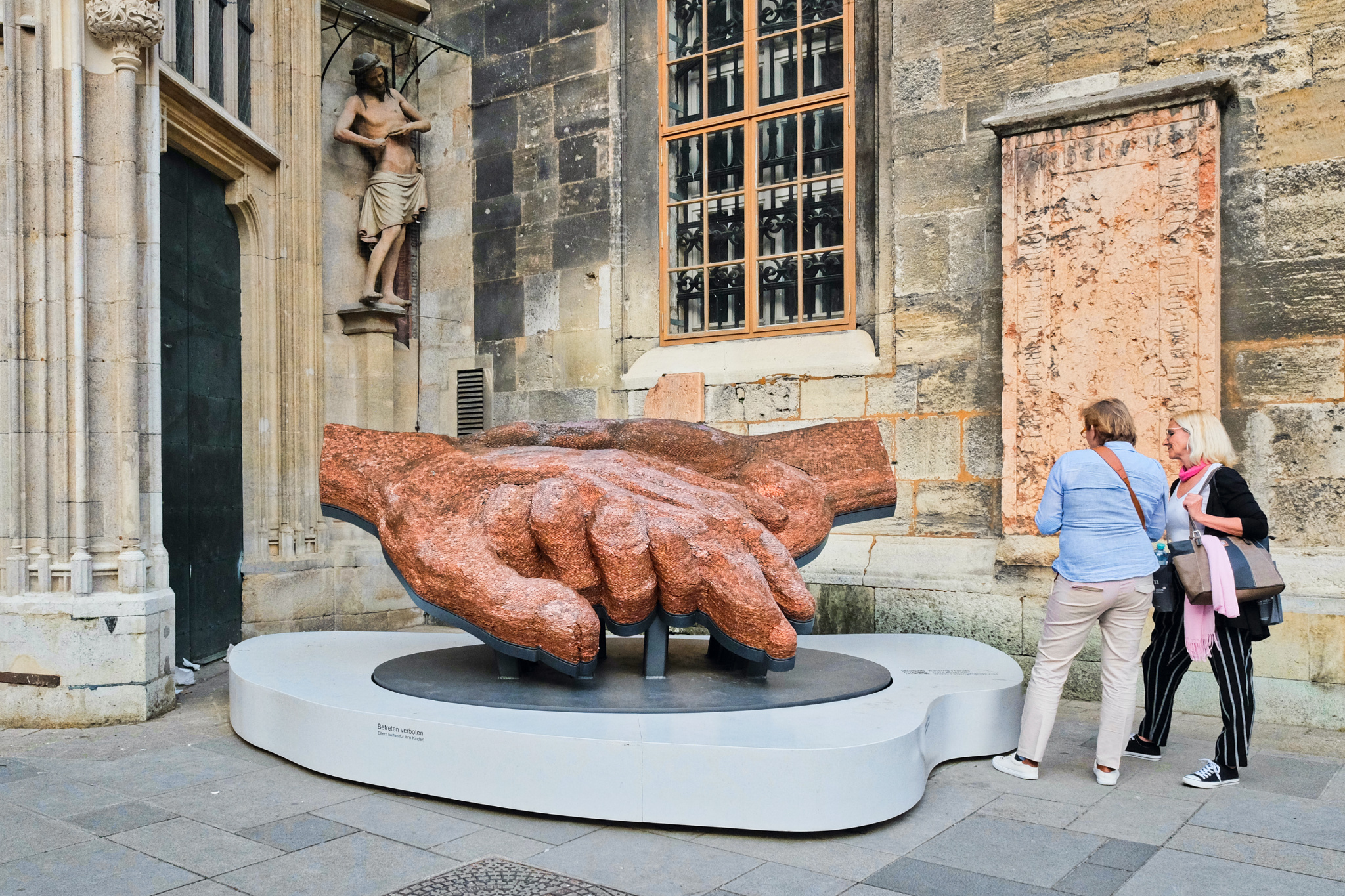
“Raising Hands”, by Julia Bugram, at Stephansplatz next to Stephansdom (St. Stephen’s Cathedral). Photo, 23 May 2022 (X70).
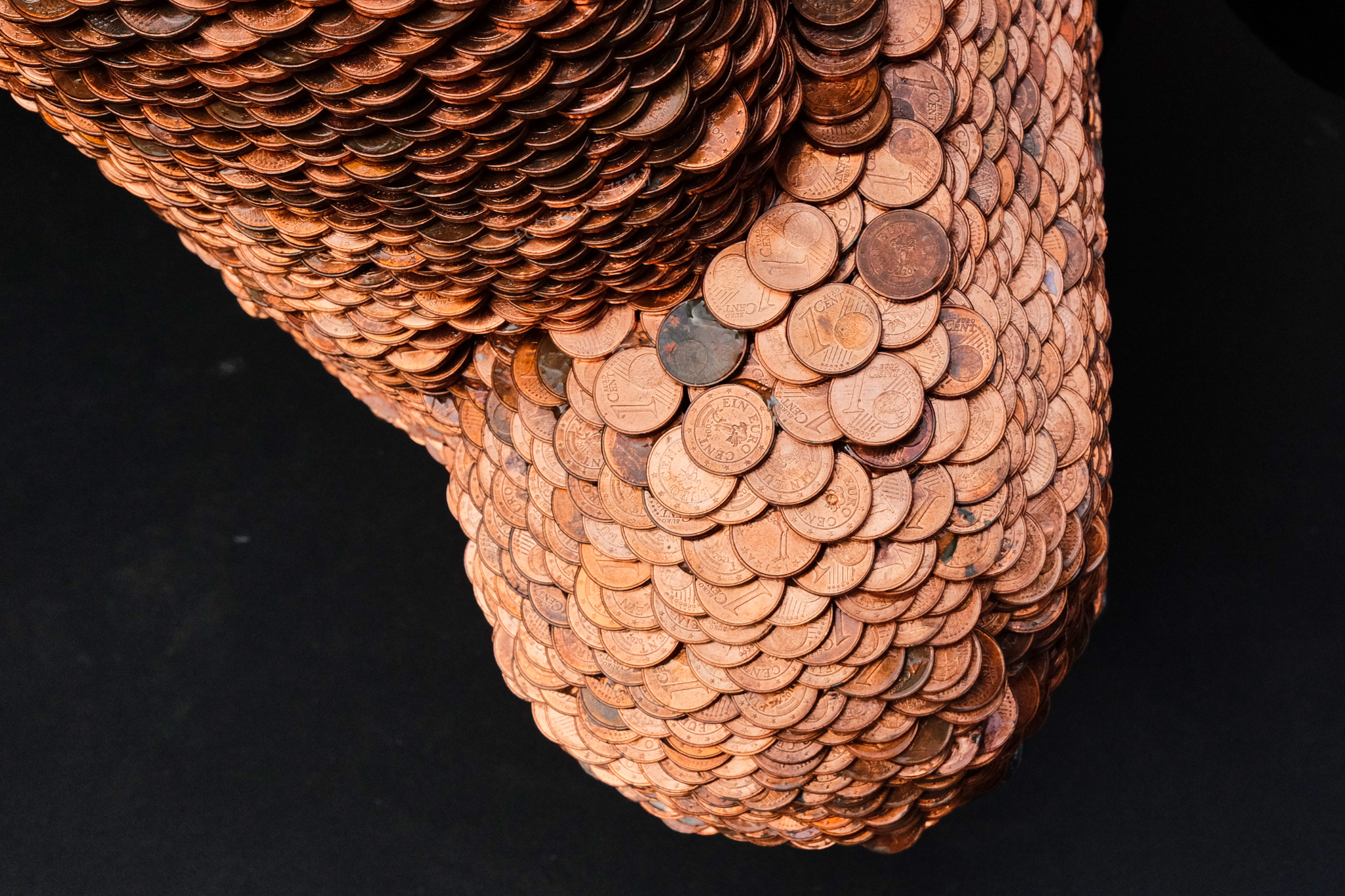
Closeup of “Raising Hands”, at Stephansplatz. Photo, 23 May 2022 (X70).
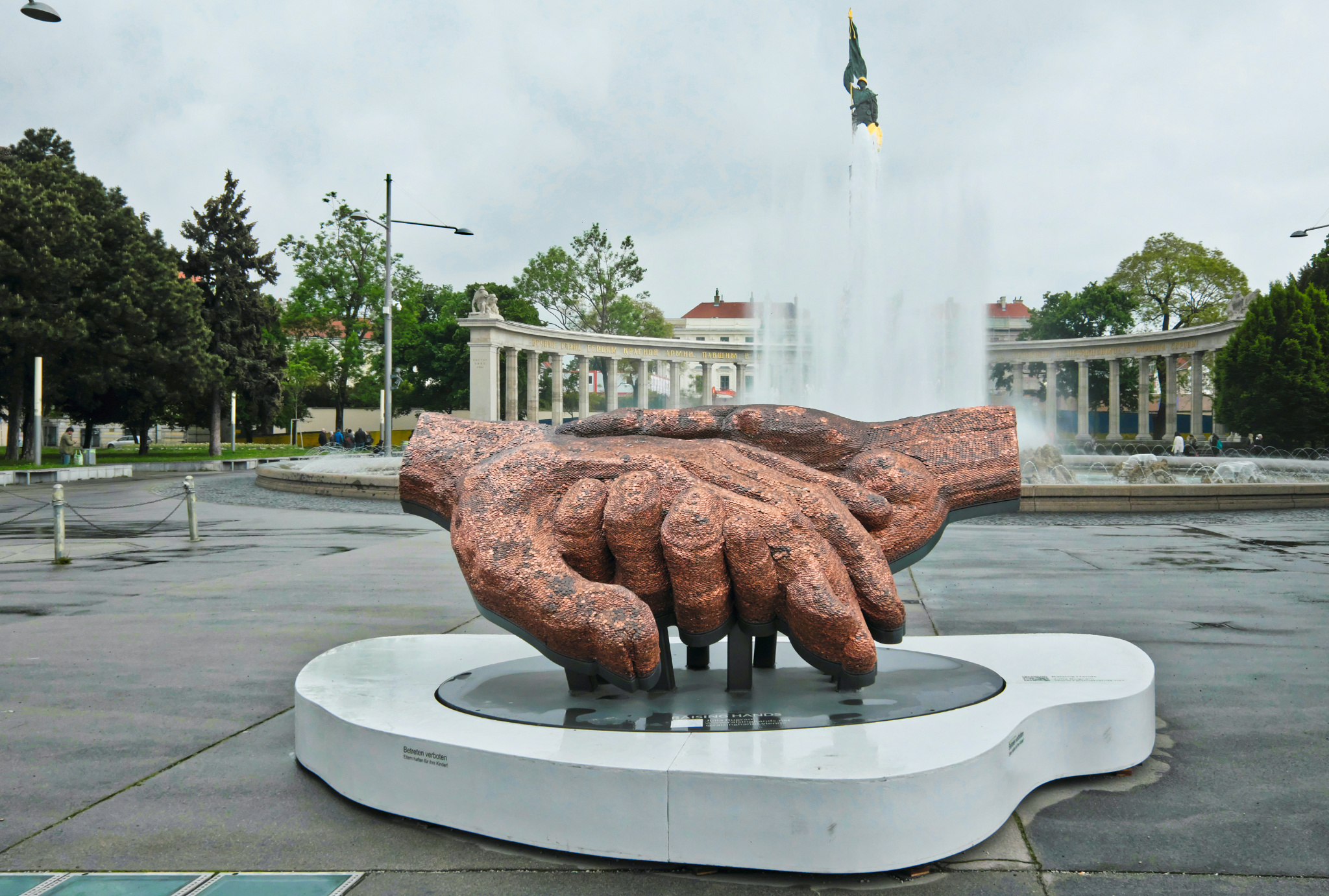
A year later, “Raising Hands” was moved to Schwarzenbergplatz in front of the Hochstrahlbrunnen fountain. Photo, 13 May 2023 (X70).
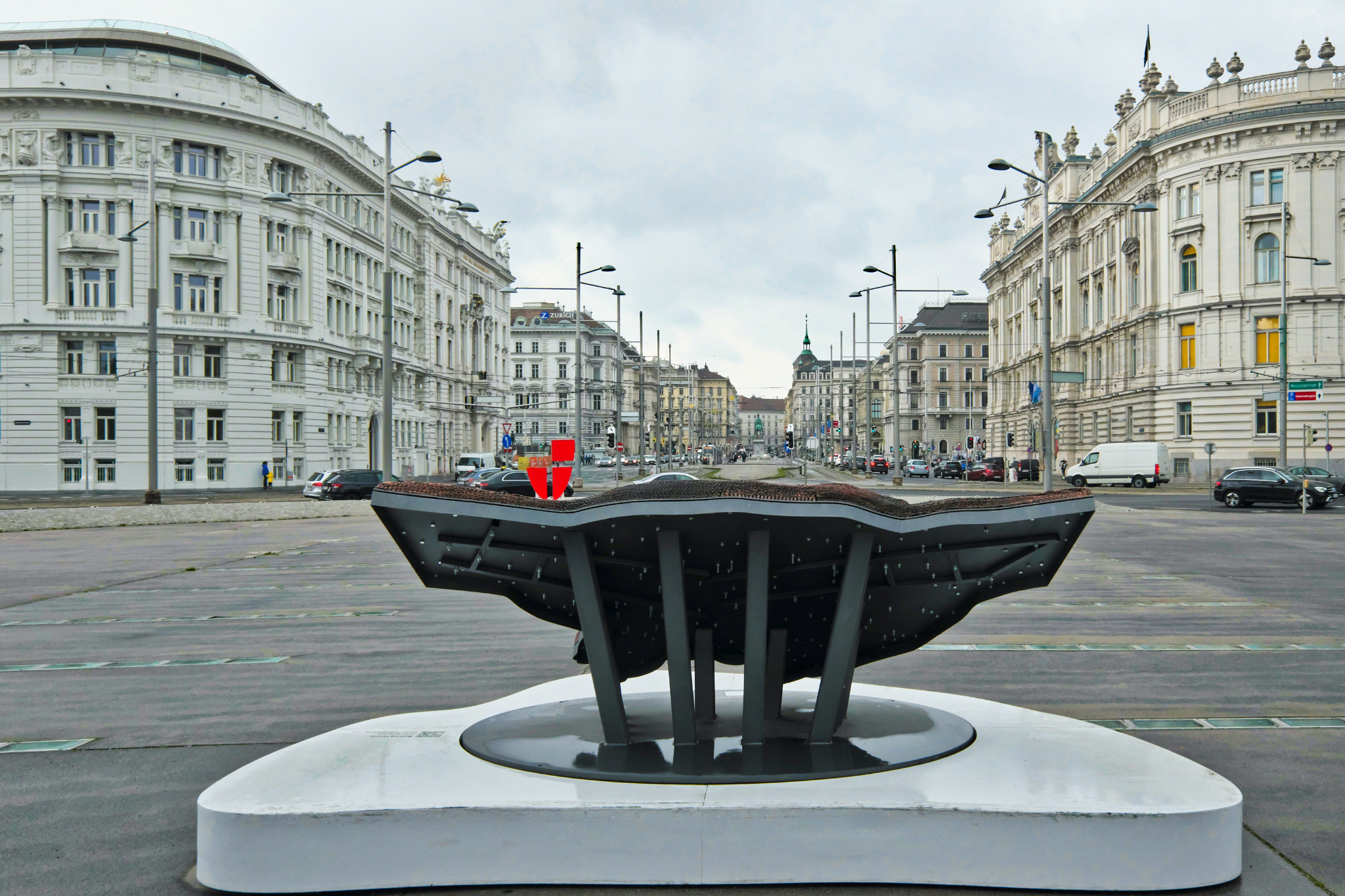
“Raising Hands”, facing northwest at Schwarzenbergplatz. As of 2024, the sculpture was no longer at Schwarzenbergplatz; the artwork is presently in storage as mentioned by the artist. Photo, 13 May 2023 (X70).
Working art space shared by Julia Bugram and Elisabeth Hansa; I’ve obscured their contact numbers. As the sign next to the building entrance states, appointments are only by agreed arrangement. Photo, 11 Jul 2025 (P15).
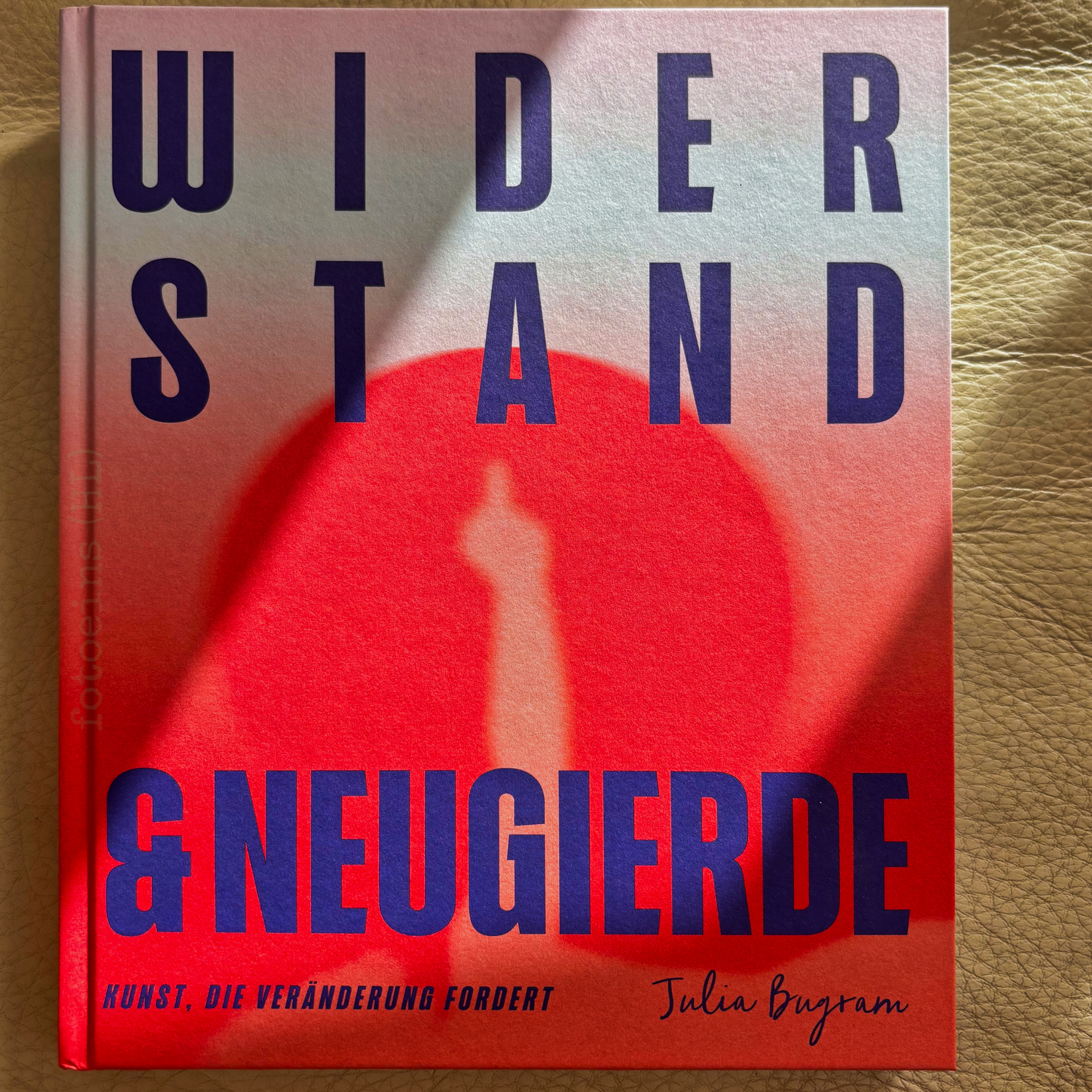
“Widerstand & Neugierde: Kunst, die Veränderung fordert.” (Resistance & Curiosity: art that demands change): her recent monograph with images of recent art pieces, including extensive discussion and the context of her work. Photo, 11 Jul 2025 (P15).
Her acknowledgements: those who directly supported the publishing of her book are mostly from Vienna and other parts of Austria. Photo, 11 Jul 2025 (P15).
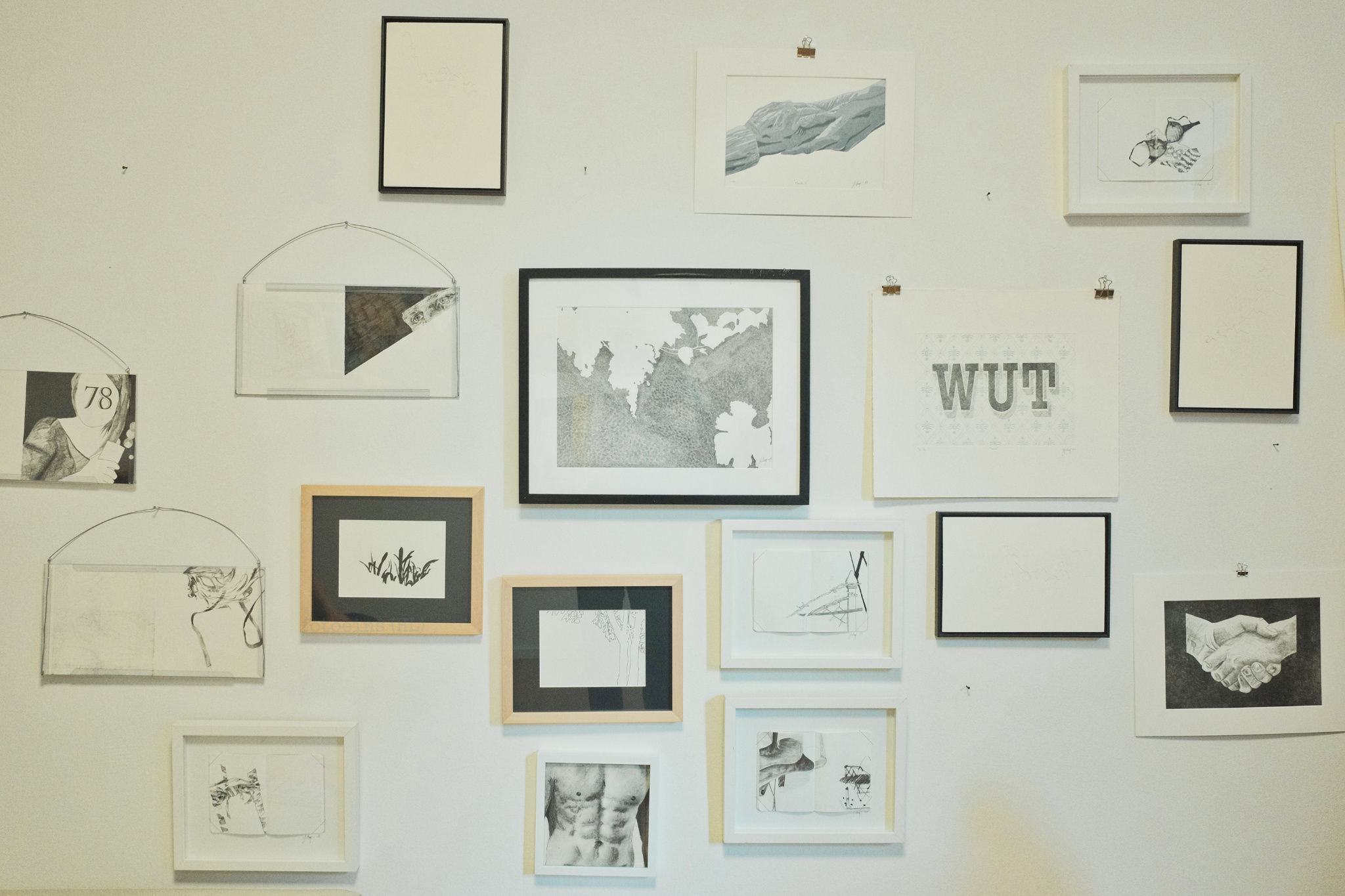
Many of the pieces on the wall include sketches of plants, emphasizing her desire to commune with and derive inspiration from nature. Photo, 11 Jul 2025 (X70).
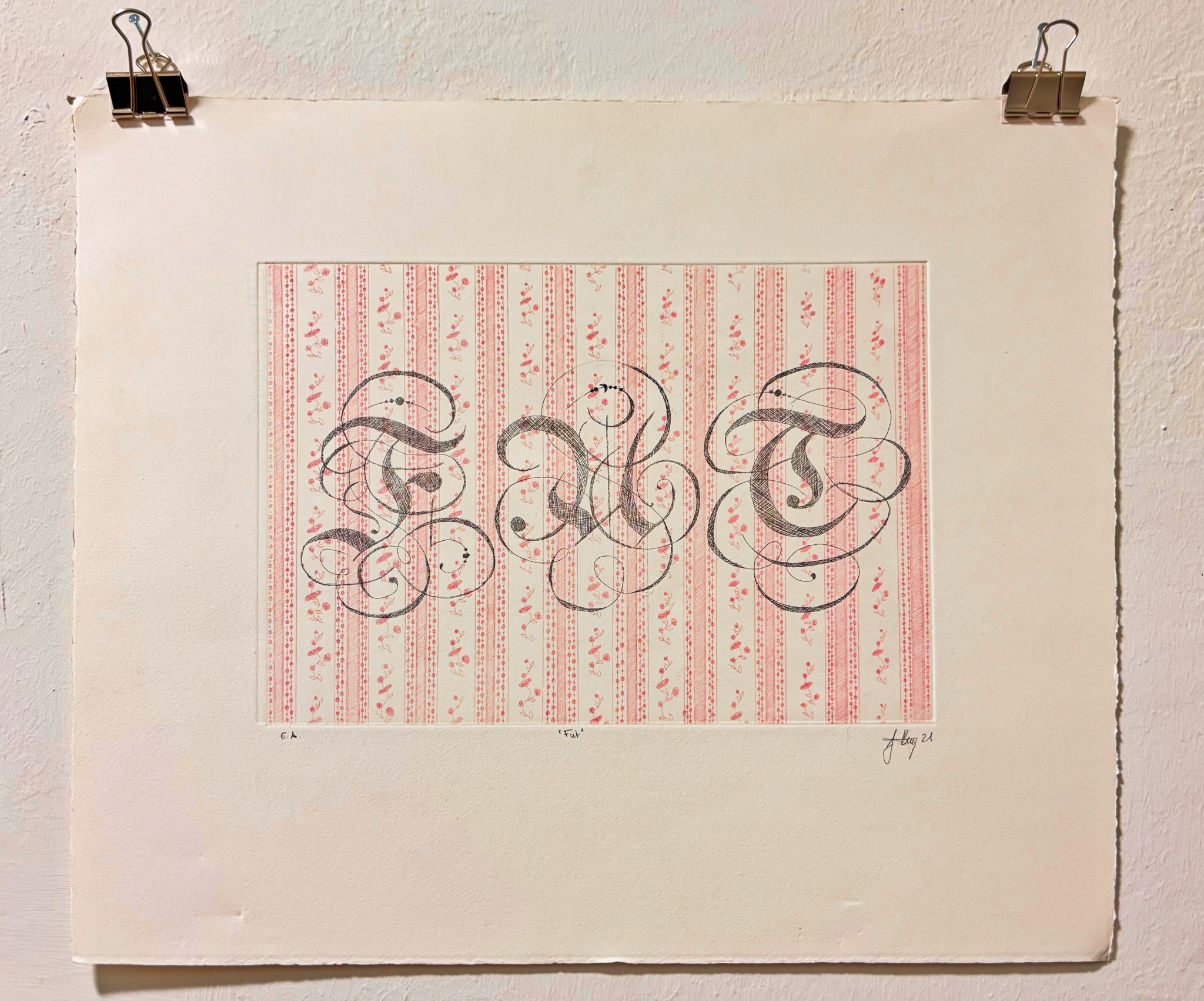
“Fut” (vulgar word whose English translation rhymes with ‘punt’), as part of her triptych “Fut — Mut — Wut”. Photo, 11 Jul 2025 (P15).
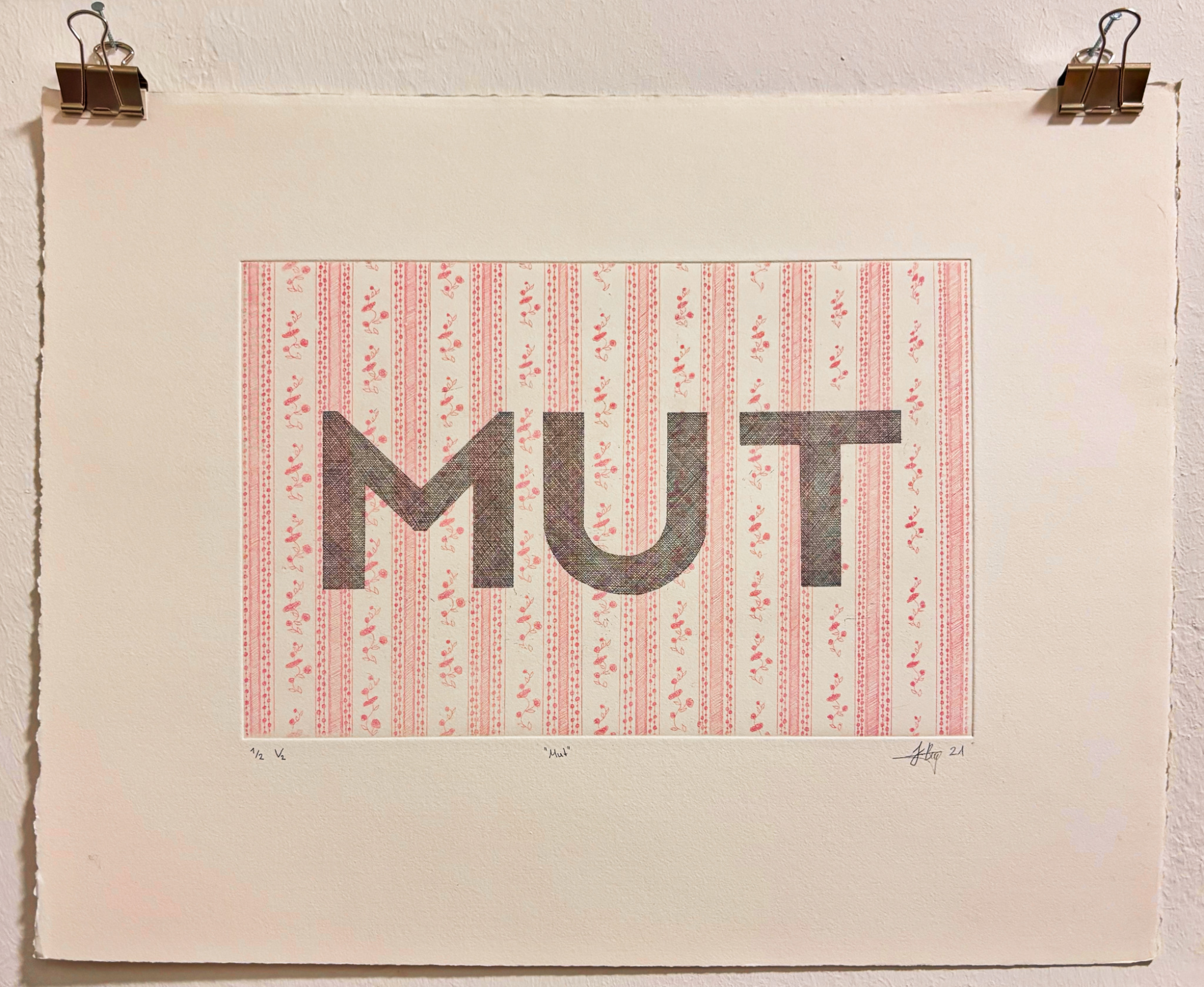
“Mut” (courage), as part of her triptych “Fut — Mut — Wut”. Photo, 11 Jul 2025 (P15).
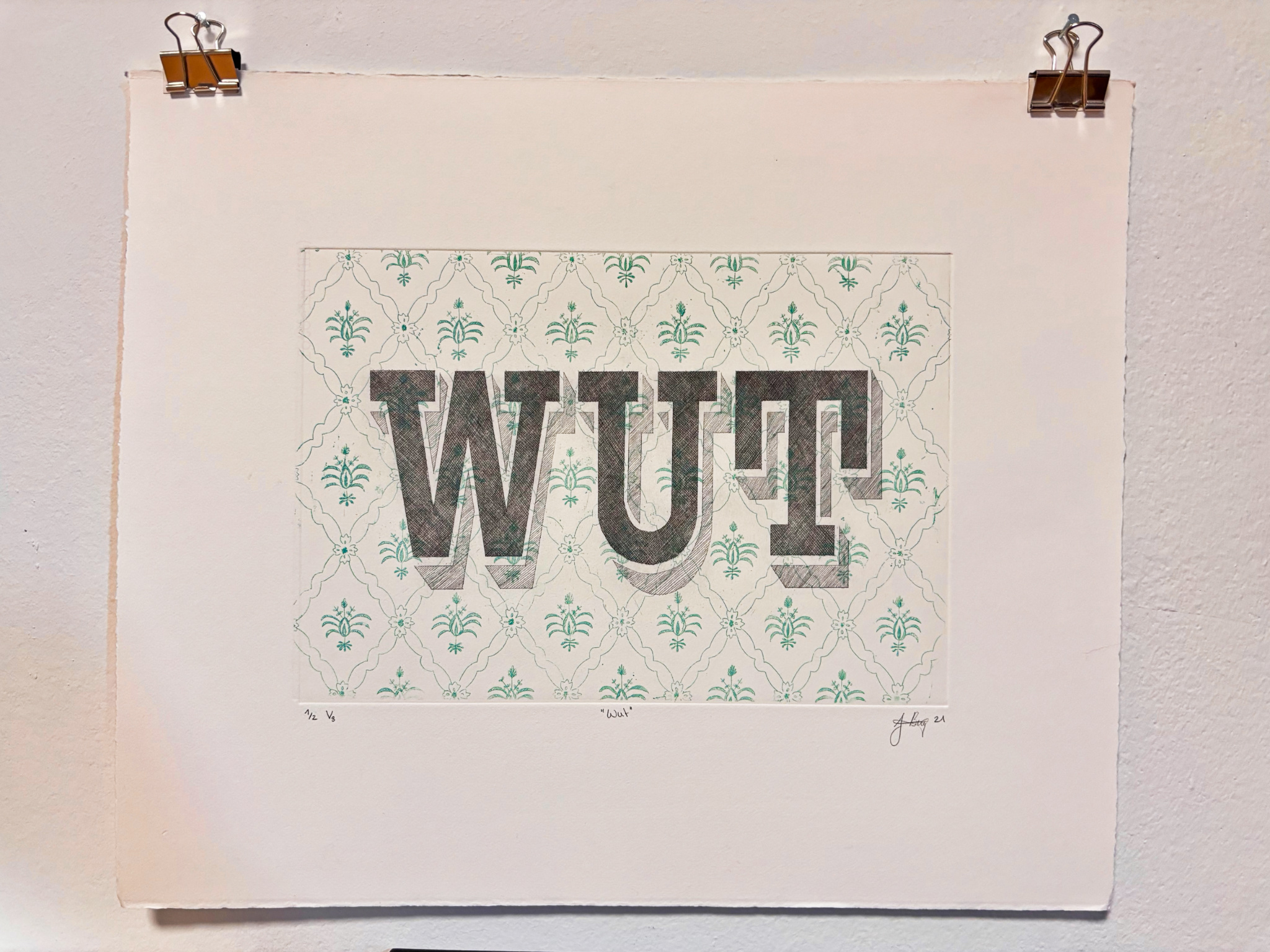
“Wut” (fury). Her triptych creation, “Fut — Mut — Wut” (2021), presented here in alphabetical order with carefully selected wallpaper-like background motifs. Three words of equal length in rhyme, each word describing an aspect of womanhood; women in sole possession and complete command of expression, connotation, meaning, and application. Photo, 11 Jul 2025 (P15).
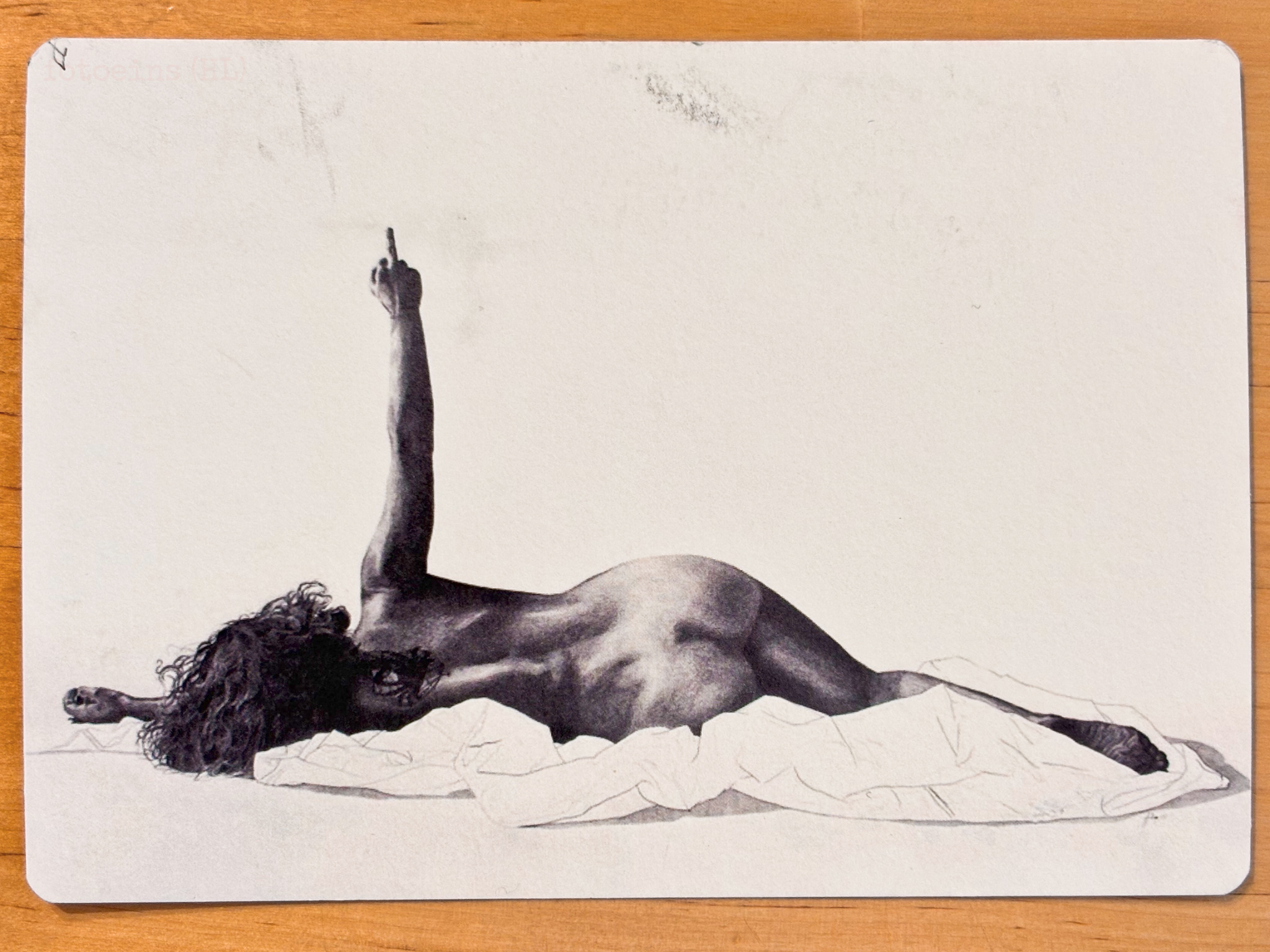
Defiance and empowerment, body autonomy, questions of the external gaze, and control of their own narratives. Photo, 25 Jul 2025 (P15).
My thanks to Julia for her invitation and her time. I made all images above in 2022, 2023, and 2025 with a Fujifilm X70 fixed-lens prime (X70) and an iPhone15 (P15). I received neither pre-visit support nor post-visit compensation for this piece. This post appears on Fotoeins Fotografie at fotoeins DOT com as https://wp.me/p1BIdT-y3i. Last edit: 27 Mar 2026.
 Fotoeins Fotografie